
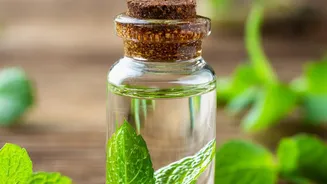


From Scrap to Staple
The zero-waste movement in the kitchen is all about finding clever ways to use every part of an ingredient. Herb stems, particularly from soft herbs like coriander, mint, and parsley, are often discarded but are packed with just as much aromatic flavour
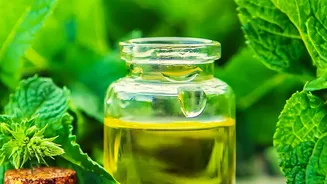
as the leaves. By infusing them in oil, you not only prevent food waste but also create a versatile, gourmet pantry staple. This simple technique transforms something you would normally throw away into a flavour-booster for salads, marinades, and roasted vegetables, embodying the smart and sustainable root-to-stem cooking philosophy.
Choosing Your Ingredients
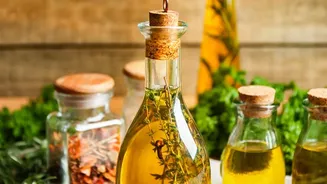
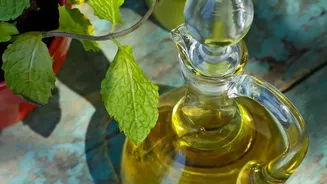
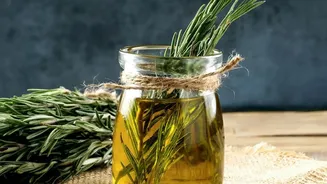
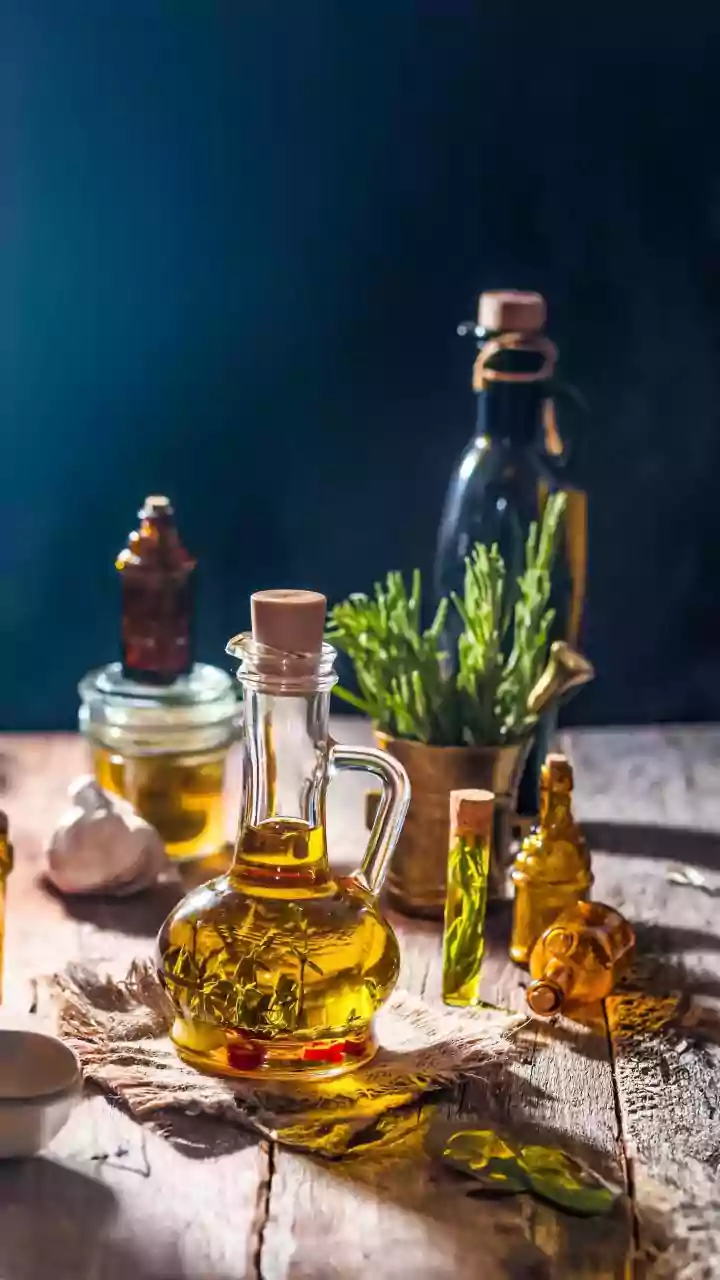
The beauty of this process lies in its simplicity. You need two main components: leftover herb stems and oil. For the herbs, tender stems from coriander, mint, parsley, dill, and basil work wonderfully. While woody stems from rosemary or thyme can be used, they are better for whole infusions rather than blended ones. For the oil, your choice will influence the final flavour. A neutral oil, such as grapeseed or sunflower oil, will allow the pure herb flavour to shine through. Conversely, a good-quality extra virgin olive oil will add its own fruity, peppery notes, creating a more complex and robust final product.
The Gentle Heat Method: A Step-by-Step Guide
While cold infusions are an option, using gentle heat is a faster method that also helps ensure food safety. Start by washing your herb stems thoroughly and, most importantly, drying them completely. Moisture is the enemy here, as it can encourage spoilage. Roughly chop a generous bunch of stems. Combine the chopped stems and your chosen oil in a blender—a good ratio to start with is about one cup of lightly packed stems to one cup of oil. Blend until the mixture is as smooth as possible. Pour this vibrant green slurry into a small saucepan and heat it gently over low heat for two to five minutes, just until you see small bubbles start to form. Do not let it boil or fry, as this will destroy the fresh flavour. The goal is simply to warm it through to deepen the infusion.
Straining and Storing for Safety
Once warmed, remove the oil from the heat. Set up a fine-mesh sieve lined with a few layers of cheesecloth or a coffee filter over a clean jar or bowl. Pour the oil mixture into the sieve and let it drip through naturally. It’s important not to press or squeeze the solids, as this can make your oil cloudy. When dealing with fresh ingredients like herbs in oil, food safety is paramount. The low-acid, oxygen-free environment can be a breeding ground for bacteria, including Clostridium botulinum. For this reason, homemade herb oils made with fresh ingredients must be stored in an airtight container in the refrigerator and used within a week. For longer-term storage, the herbs would need to be acidified with a product like citric acid before infusion, a more complex process.
How to Use Your Homemade Herb Oil
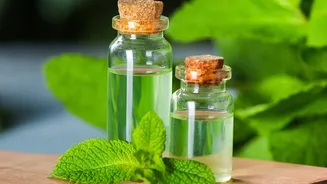
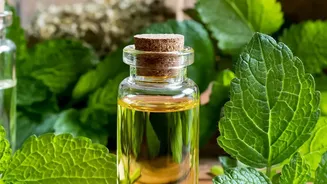
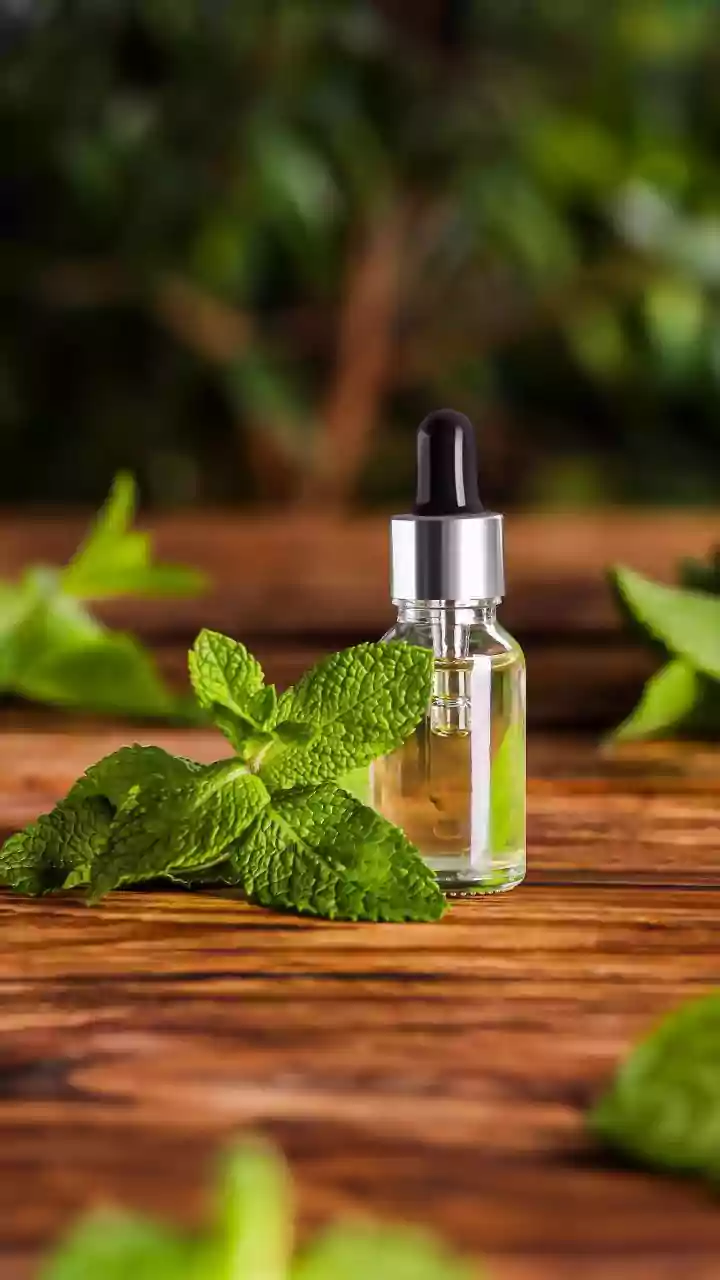
Now for the fun part: using your fragrant creation. The possibilities are nearly endless. A drizzle of coriander stem oil can transform a simple bowl of dal or a plate of roasted vegetables. Use mint-infused oil as a base for a vibrant salad dressing, or to add a fresh note to grilled lamb or fish. It’s also a fantastic finishing oil; a splash over a finished soup, pasta, or even a simple avocado toast adds a professional touch and a burst of fresh flavour. You can even blend it into dips like hummus or use it as a flavourful base when sautéing onions and garlic for your next dish.