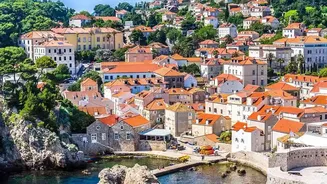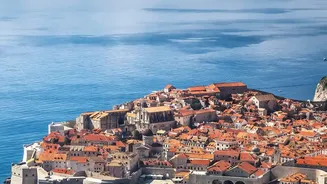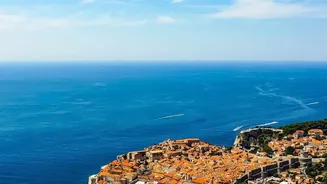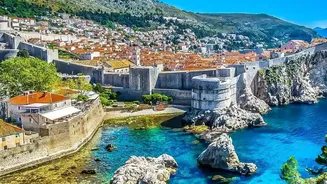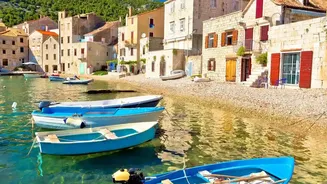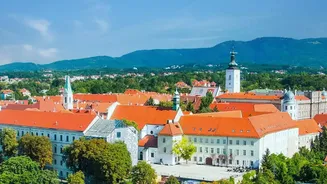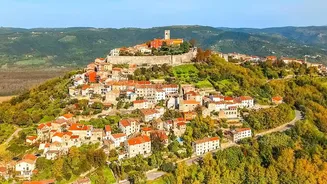



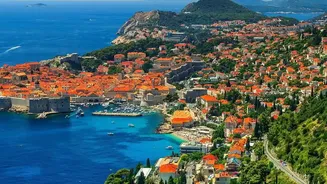
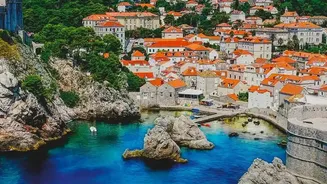
Croatia’s Adriatic coast is a dream destination, but its popularity comes at a price. During peak season, major attractions are not only crowded but expensive. Here’s how to experience the country’s magic without the queues and high fees.
The Peak Season Problem
July and August
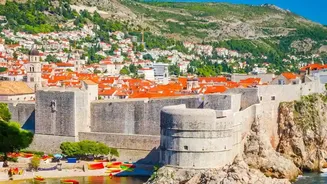
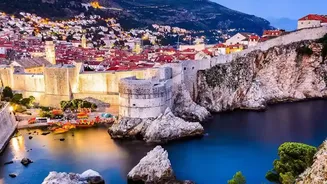
in Croatia see a massive influx of tourists, driving up the costs of accommodation, food, and especially attraction tickets. Prime destinations like Dubrovnik and Plitvice Lakes National Park can feel overwhelmed, with prices to match. For example, walking Dubrovnik's famous city walls can cost around €35-€40 per person in the high season. Similarly, a peak season adult ticket for Plitvice Lakes National Park is about €40. These costs can quickly add up for families and budget-conscious travellers. However, travelling smarter doesn't mean skipping the beauty, but rather, finding it in less congested, more authentic, and affordable locations.
Swap Dubrovnik For Šibenik or Zadar
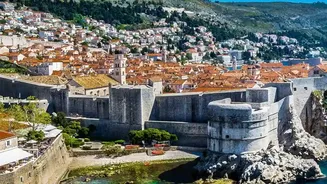
Dubrovnik's city walls are iconic, but the experience can involve shuffling along with thousands of other visitors. For a similar historic, coastal city feel without the overwhelming crowds, consider Šibenik or Zadar. Šibenik boasts two UNESCO World Heritage sites and a charming, less-touristed old town. Zadar offers a beautifully preserved old town on a peninsula, Roman ruins, and the unique Sea Organ, an architectural art installation that plays music using the sea's waves. Both cities provide a more relaxed atmosphere and are significantly lighter on the wallet for everything from dining to accommodation.
Instead of Plitvice Lakes, Try Krka or Paklenica
Plitvice Lakes National Park is world-famous for its terraced lakes and waterfalls, but peak season requires pre-booked, timed-entry tickets that sell out fast, and the narrow boardwalks can become extremely congested. For a fantastic waterfall experience with more breathing room, head to Krka National Park. While still popular, it often feels less crowded, and exploring its deeper trails reveals peaceful paths and scenery. Another alternative for nature lovers is Paklenica National Park, a premier destination for hiking and climbing through dramatic canyons, located just 45 km from Zadar and seeing far fewer visitors than Plitvice.
Choose Quieter Islands Over Hvar
Hvar Town is known for its glamorous nightlife and bustling harbour, but this also means higher prices and bigger crowds. For a more authentic and peaceful island experience, Croatia has over a thousand other options. The island of Vis, once a military base closed to foreigners, offers an unspoiled charm and a slower pace of life. Korčula is another fantastic choice, offering a 'mini-Dubrovnik' in its main town, beautiful beaches, and local wineries without the same level of tourist saturation. For true tranquility, consider more remote islands like Lastovo, a protected nature park perfect for stargazing, or the car-free Elafiti Islands near Dubrovnik.
Smarter Travel, Bigger Budget
Beyond choosing alternative destinations, a few key strategies can stretch your budget significantly. Travelling in the 'shoulder seasons' of May, June, or September offers great weather with prices 25-40% lower than in July and August. When eating, skip the main tourist-facing restaurants on the waterfront and walk a few streets inland to find family-run 'konobas' offering delicious daily menus at a fraction of the cost. Finally, utilize Croatia's excellent and affordable network of buses and foot-passenger ferries instead of renting a car for island hopping, which can add significant expense.