


Patra: The Steamed Leaf Roll
A beloved snack in Gujarat and Maharashtra, patra (or alu vadi) is as healthy as it is delicious. It involves smearing a spicy, sweet, and tangy gram flour paste onto colocasia leaves, which are then rolled up and steamed. The steaming process cooks the rolls
perfectly without a single drop of frying oil. For those who still crave a crispy texture, the steamed slices can be pan-seared with just a teaspoon of oil until golden. This two-step process ensures a soft interior and a crisp exterior, offering the best of both worlds. The core flavour comes from the besan batter, often seasoned with ginger, green chilli, tamarind, and jaggery, making it a complex and satisfying bite.
Kothimbir Vadi: The Baked Coriander Cake
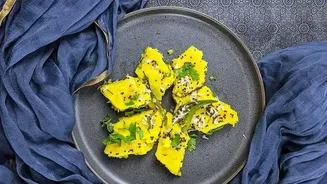
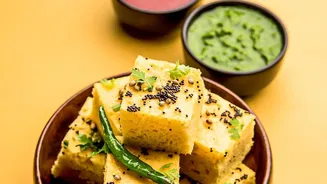
Traditionally, these savoury cakes made from fresh coriander and gram flour are deep-fried. However, they are equally delightful when prepared with less oil. The process starts by making a thick batter of besan, heaps of chopped coriander, and spices, which is then steamed until firm. This steamed cake can be eaten as is for a truly oil-free snack. For a crispier version that mimics the fried original, the steamed and sliced vadi can be baked in an oven or cooked in an air fryer until golden and crunchy. This method drastically reduces the oil content while still providing that satisfying texture, making it a perfect companion for a cup of monsoon chai.
Kuzhi Paniyaram: The Savoury Dough Balls
A South Indian favourite, paniyaram (also known as appe) are small, round dumplings that are crispy on the outside and soft within. They are made from a fermented batter, similar to what's used for idli or dosa, which is then seasoned with sautéed onions, chillies, and curry leaves. Their low-oil secret lies in the special pan they are cooked in—a cast-iron or non-stick pan with multiple small cavities. Just a few drops of oil in each mould are enough to cook the paniyarams to golden-brown perfection. You can also enrich the batter with grated vegetables like carrots and cabbage for added nutrition.
Roasted Bhutta: The Quintessential Monsoon Snack
Sometimes the simplest snacks are the most evocative. Nothing says monsoon in India quite like a roasted corn on the cob, or bhutta. This is a street-side classic that is incredibly easy to replicate at home and requires virtually no oil. Simply roast the corn over an open flame until the kernels are slightly charred and tender. The smoky aroma is an essential part of the experience. Once roasted, rub it with a mixture of lemon juice, salt, and red chilli powder for that signature tangy and spicy kick. It's a naturally healthy, fibre-rich snack that delivers warmth and comfort on a rainy day.
Steamed Muthia: The Gujarati Dumpling
Muthia are fist-shaped dumplings from Gujarat that are wonderfully versatile and light on the stomach. Typically made from a mix of flours like whole wheat and gram flour, they are often combined with grated vegetables like bottle gourd (dudhi) or fenugreek leaves (methi). The dough is seasoned with spices, shaped by hand, and then steamed. The steamed muthia are soft, flavourful, and a complete snack on their own. While some recipes call for a final tempering in a little oil with mustard seeds and curry leaves, the dumplings themselves are cooked without any frying, making them an excellent low-oil option for a healthy monsoon treat.