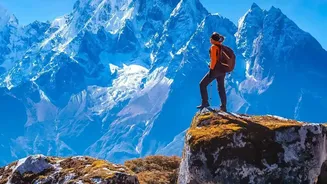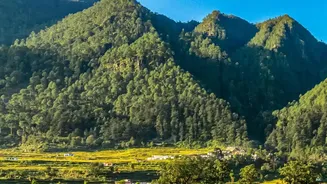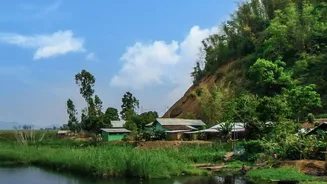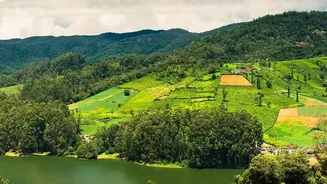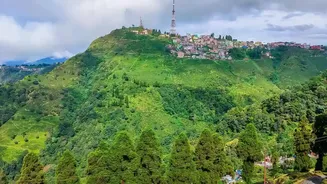

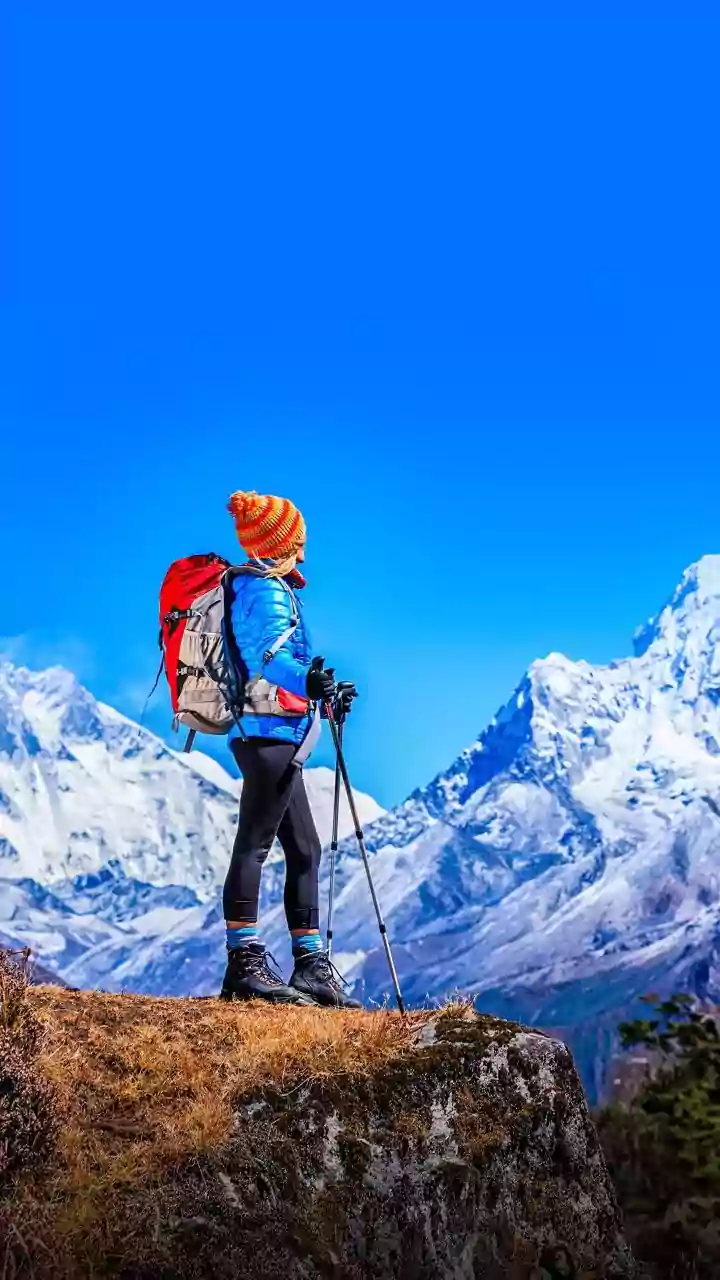
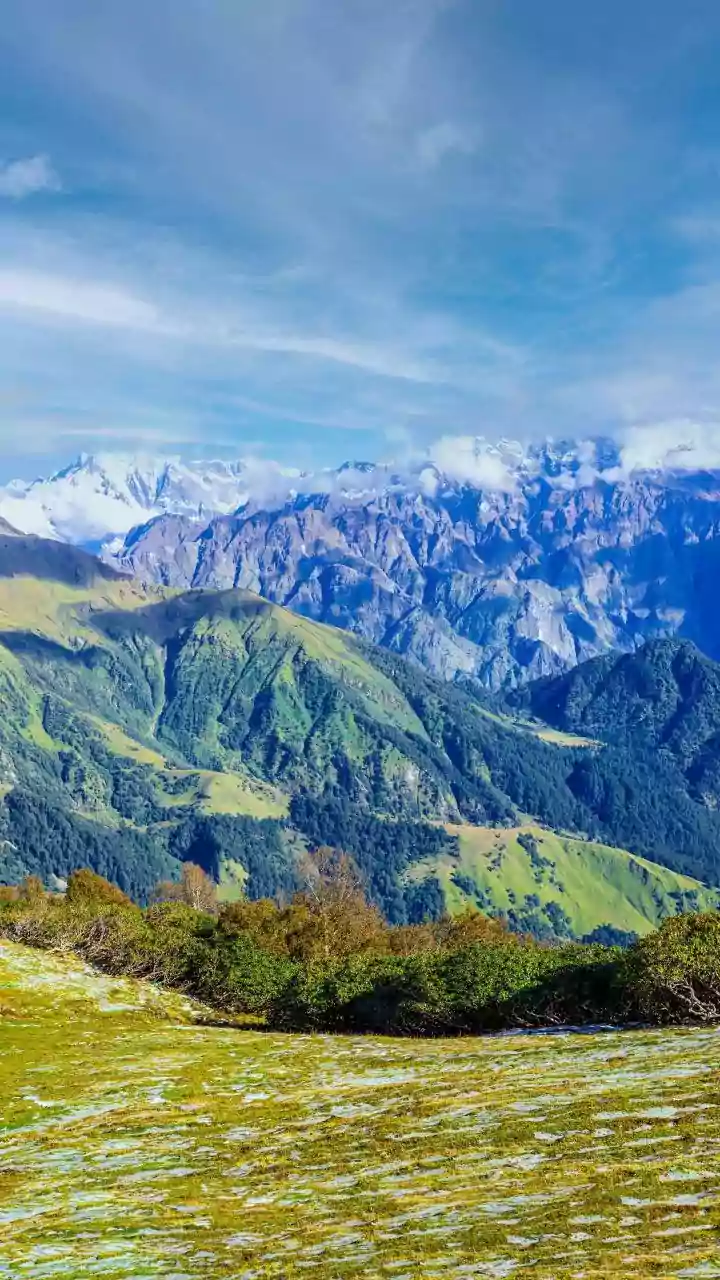

The journey to the Himalayan wonderland of Sikkim begins not in the mountains, but on the plains of West Bengal. For most travellers, the adventure starts at Bagdogra Airport (IXB) or New Jalpaiguri (NJP) railway station.
The Twin Gateways to the Hills
Bagdogra Airport and New Jalpaiguri
(NJP) railway station are the two primary transport hubs that serve as the entry points for anyone heading to Sikkim. Located in West Bengal, just a few hours from the Sikkim border, they connect the mountainous state to the rest of India. Bagdogra is the nearest airport, with flights from major cities, while NJP is the closest major railhead, welcoming trains from across the country. From these bustling arrival points, a scenic road journey awaits, following the path of the Teesta River as it carves its way through the Himalayan foothills. This drive itself is an introduction to the region's beauty, transitioning from flat plains to lush green hillsides.
The Journey Upwards: Transport Options
The drive from Bagdogra or NJP to Gangtok, Sikkim's capital, typically takes between four to six hours, covering a distance of approximately 125 kilometres. Travellers have several options to choose from. Private taxis offer the most comfort and flexibility, allowing for stops along the scenic route. Shared jeeps and tempo travellers are a more budget-friendly choice, popular among solo travellers and backpackers; these usually depart once they are full. Additionally, Sikkim Nationalised Transport (SNT) runs regular bus services from Siliguri, near NJP, to Gangtok, providing the most economical option. Pre-booking a vehicle, especially if arriving late, is advisable as transport options can become scarce after dark.
East Sikkim: Gangtok and its Surroundings
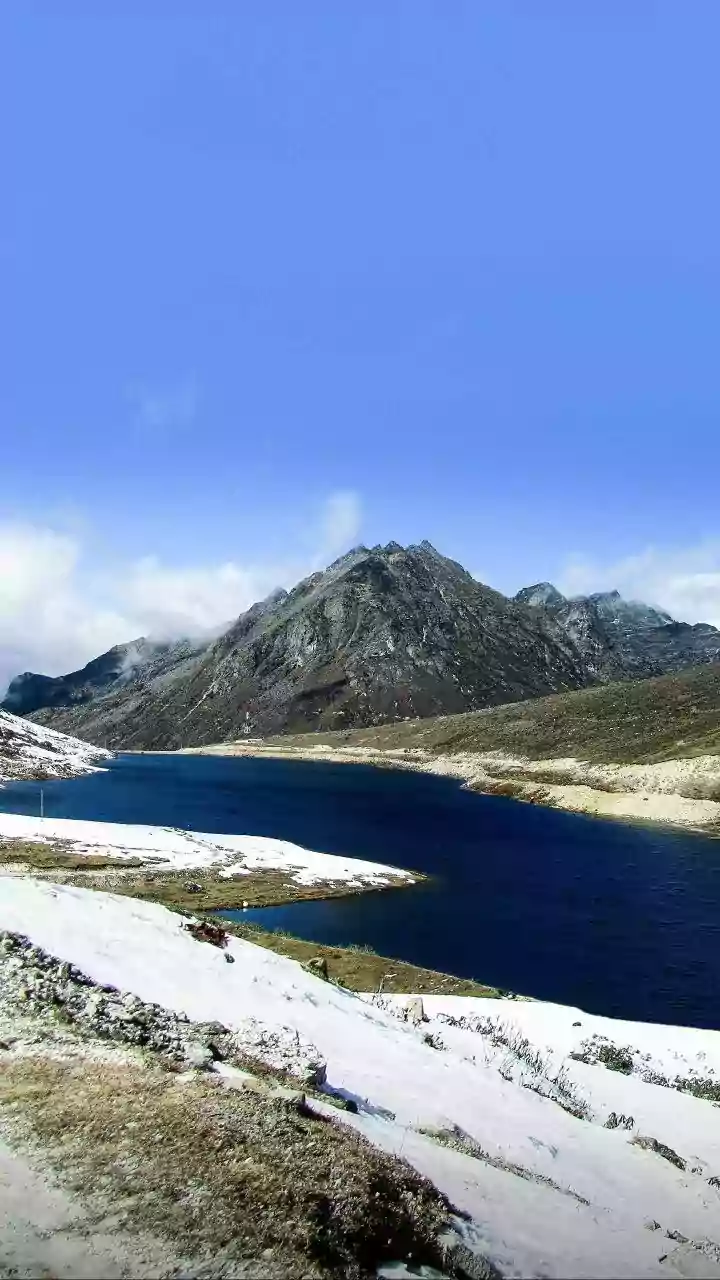
For most visitors, Gangtok is the first base. The vibrant capital is not just a hub for permits and further travel but also a destination in itself. From here, some of Sikkim's most iconic natural sights are accessible as day trips. The most popular excursion is to Tsomgo Lake, a stunning glacial lake located at an altitude of 12,310 feet, which remains frozen in winter. Further up the same route is the high-altitude Baba Mandir shrine. These areas require a Protected Area Permit (PAP), which can be arranged by local tour operators in Gangtok. Other nearby nature spots include the Bakthang Waterfall and the Himalayan Zoological Park, offering panoramic views of Mount Kanchenjunga.
West Sikkim: Peaks, Lakes, and Ruins
West Sikkim, known for its tranquil atmosphere and spectacular views of the Kanchenjunga massif, is another major draw for nature lovers. The main town here is Pelling, which can be reached directly from Bagdogra/NJP (a 6-7 hour drive) or via Gangtok. West Sikkim is home to the sacred Khecheopalri Lake, a wish-fulfilling lake hidden amidst dense forest, revered by both Buddhists and Hindus. Other key attractions include the thunderous Kanchenjunga Falls and the historic Rabdentse Ruins, the remnants of Sikkim’s second capital, which offer a short, scenic hike. This region is ideal for those seeking a slower pace and some of the state's most pristine landscapes. No special permits are needed for Indian tourists visiting the main sites in West Sikkim like Pelling and Yuksom.
North Sikkim: A Rugged, Remote Paradise
A journey to North Sikkim is an adventure into a more remote and dramatic landscape. The primary destinations here are Lachung, the gateway to the Yumthang Valley (also known as the 'Valley of Flowers'), and Lachen, the base for trips to the breathtaking Gurudongmar Lake, one of the highest lakes in the world. This region's raw beauty is unmatched, but travel requires more planning. The roads are challenging, and the high altitude demands acclimatisation. All visitors, including Indian tourists, need a special permit, which must be arranged through a registered Sikkim tour operator in Gangtok at least a day in advance. Due to the sensitive border location, travel is often done as part of a package tour, and self-driving is not permitted.