


From Family Ritual to Experiential Travel
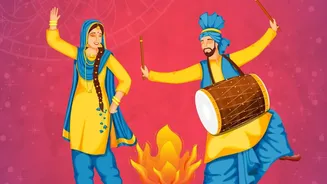
The traditional Indian festival holiday is a familiar script: booking tickets months in advance, packing bags full of gifts, and spending a few cherished days with family. While that ritual remains central to Indian life, a parallel trend has firmly taken
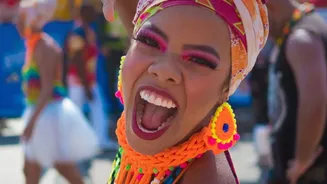
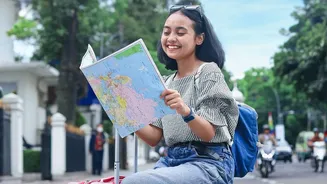
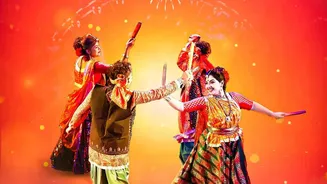
root. An increasing number of young professionals and Gen Z travellers are redefining what it means to celebrate. Instead of the default trip to their hometown, they are booking flights and trains to destinations that host major cultural and music festivals. This shift transforms a holiday from an obligation into an opportunity for discovery, social connection, and creating new memories with friends. The itinerary is no longer just about family gatherings but about building a trip around a unique, shareable experience.
What's Driving the Festival Fever?
Several factors are fuelling this change. A key driver is the desire for authentic experiences over conventional sightseeing. Travellers, particularly younger ones, are looking for immersive cultural events rather than just staged tourist shows. According to a 2026 Airbnb report, a staggering 62% of Gen Z in India plan to take trips specifically for concerts or music festivals. For many, the event itself is the destination, with 76% saying they have visited a city for the first time just to attend one. This trend is amplified by rising disposable incomes, flexible work schedules, and the social currency of unique travel experiences shared online. A festival weekend becomes a perfect, compact getaway—long enough to feel like a real break but short enough to fit into a busy calendar.
The New Must-Visit Destinations
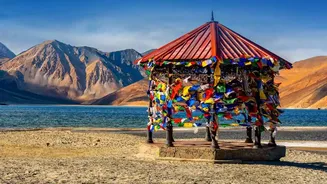
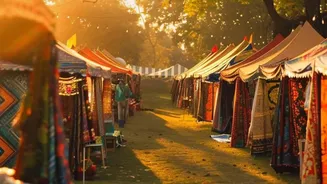
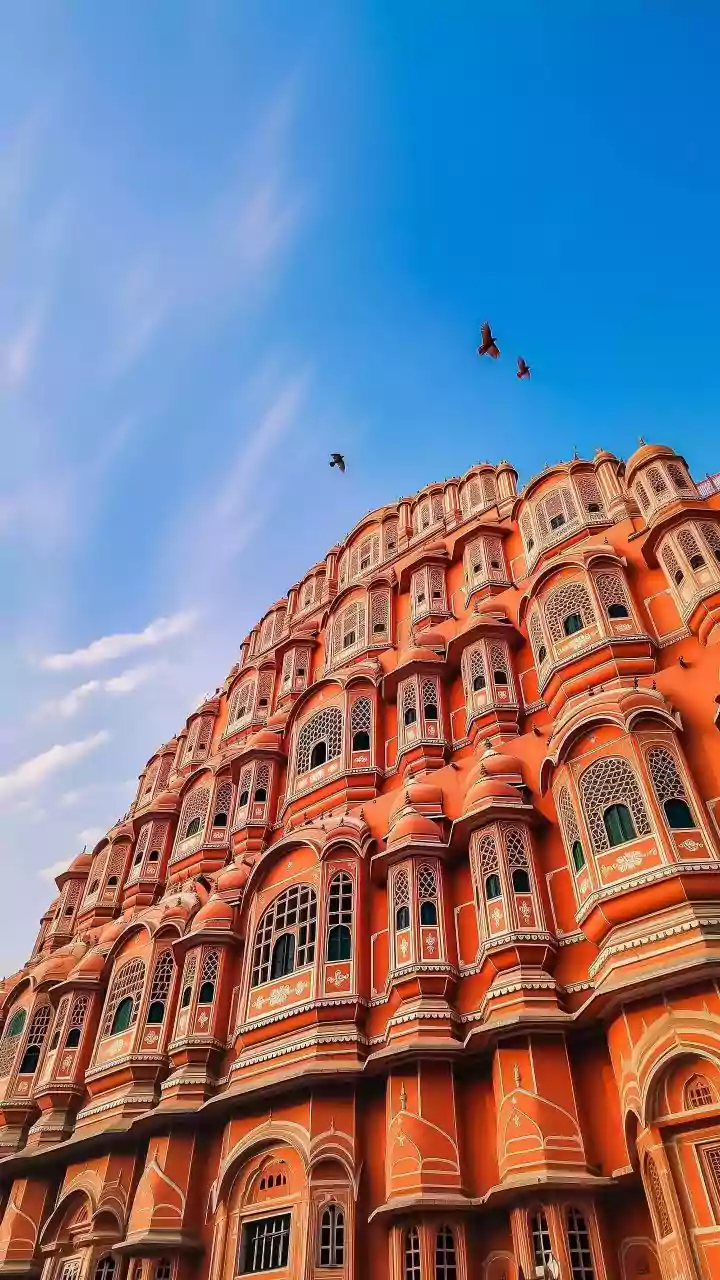
This movement is not just about the big metro-based music events. It's about niche, destination-specific festivals that have become major travel magnets. The Hornbill Festival in Nagaland, for instance, has grown into a massive cultural event, attracting over 40,500 visitors in its first two days in its 2025 edition, including thousands of domestic tourists from other states. It is a prime example of how a regional celebration of heritage can become a national travel highlight. Similarly, the Ziro Festival of Music in Arunachal Pradesh draws indie music lovers to its stunning valley setting, blending performances with the unique Apatani culture. In Rajasthan, Magnetic Fields offers a boutique experience in a 17th-century palace, merging cutting-edge electronic music with royal hospitality and desert camping. These events offer more than just a lineup; they promise an entire ecosystem of culture, food, and community.
More Than Music: A Boost for Local Economies
The rise of festival tourism has a significant economic upside, especially for regional and Tier II destinations. When thousands of visitors descend on a place like Ziro Valley or Alsisar, they spend on accommodation, local transport, food, and handicrafts, providing a substantial boost to the local economy. This influx creates seasonal employment and offers a platform for local artisans and entrepreneurs to showcase their products to a diverse, national audience. Hotels and homestays see a surge in bookings, and hospitality players are learning to cater to this new-age tourist who prioritises experiences. The entire local supply chain, from taxi drivers to restaurant owners, benefits from the concentrated burst of economic activity that a successful festival brings.