





What Exactly Is Functional Dairy?
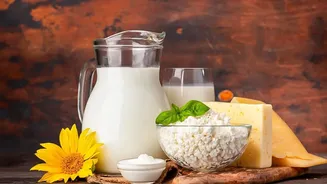
Functional dairy refers to milk and milk-based products that have been enhanced to offer health benefits beyond their basic nutritional value. This includes adding ingredients like probiotics, prebiotics, vitamins, minerals, and extra protein. Think of probiotic yogurts
that support gut health, milk fortified with Vitamins A and D for bone health and immunity, or high-protein paneer and milkshakes designed for fitness enthusiasts. The core idea is to transform a daily staple into a proactive tool for wellness, catering to specific health needs like digestion, immunity, and overall vitality. This category is a key segment of the broader functional foods market, which is experiencing significant growth in India.
The Wellness Wave Driving Demand
The rise of functional dairy isn't happening in a vacuum. It is being powered by a massive shift in Indian consumer behaviour. There is a growing health consciousness across the country, with consumers increasingly adopting healthier lifestyles and looking for ways to prevent diseases. This trend has been accelerated by rising disposable incomes, urbanization, and a greater awareness of the link between diet and health. Consumers are no longer just looking for taste and convenience; they want their food to work harder for them. According to market reports, a majority of Indian consumers now say gut health is very important, and many are actively trying to include more protein in their diets. This has created a fertile ground for value-added products that promise specific health outcomes.
From Fortified Milk to Probiotic Dahi
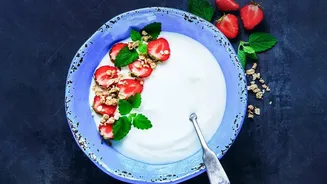
The range of functional dairy products available to Indian consumers is expanding rapidly. Leading dairy players like Amul and Mother Dairy, alongside newer brands, are innovating to meet this new demand. Product shelves now feature probiotic dahi and yogurt, which contain beneficial bacteria for gut health, a top concern for many consumers. Milk fortified with vitamins A and D has become common, supported by government initiatives to combat micronutrient deficiencies. Other popular products include high-protein milk, lassi, and dairy-based beverages aimed at the fitness community. Even specialty items like lactose-free milk and A2 milk are gaining traction, showing that consumers are willing to pay a premium for products that suit their specific dietary needs.
Challenges and the Road Ahead
Despite the rapid growth, the path for functional dairy is not without its hurdles. One of the main challenges is consumer education. While awareness is growing, many consumers are still unclear about the specific benefits of functional ingredients like probiotics or prebiotics, and the line between a food supplement and a daily food item can be blurry. The higher price point of these value-added products can also be a barrier, especially in semi-urban and rural markets. Furthermore, ensuring product quality and maintaining the integrity of a complex cold-chain infrastructure across India remains a significant operational challenge. However, industry experts believe that as incomes continue to rise and health awareness deepens, these challenges can be overcome through strategic marketing and improved logistics.