




Go Beyond the Basic Forecast
Checking for rain is not enough; you need to understand the intensity. The India Meteorological Department (IMD) issues specific, colour-coded alerts for a reason. A 'Yellow' alert, currently active for several districts in Himachal Pradesh and Uttarakhand,
is a signal to be aware and updated. An 'Orange' alert means authorities expect weather with the potential to disrupt daily life, urging you to be prepared. A 'Red' alert is a warning for severe conditions that pose a threat to life and property. As of mid-August 2026, widespread heavy rainfall is forecast across northern and northeastern states, making it crucial to check the specific alert for your chosen destination daily. These alerts are your most reliable indicator of potential danger, far more useful than a simple rain icon on your phone.
The Unpredictable Nature of Hill Roads
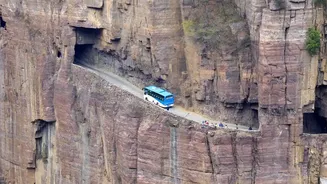
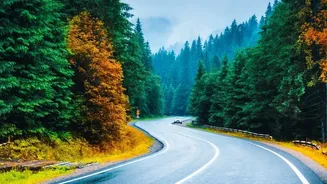
The single biggest variable of a monsoon hill trip is road accessibility. Heavy rainfall doesn't just make roads slippery; it causes catastrophic blockages. As of August 19, 2026, heavy rains have left 167 roads blocked across Himachal Pradesh, with Mandi district being severely affected. Similarly, key pilgrimage routes in Uttarakhand like the Gangotri and Yamunotri highways have faced temporary closures due to debris and landslides. Before you travel, and each morning of your trip, check the official social media handles of the local state police and District Disaster Management Authority. They provide real-time updates on road closures, landslides, and alternative routes. Assuming a road will be open simply because it was yesterday is a dangerous gamble.
Understanding Landslide Hotspots
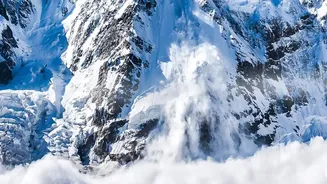
Landslides are the most significant threat during a monsoon hill journey. They are not random events. The Himalayas are geologically young and active, with steep slopes and fractured rock formations that are inherently unstable. Continuous rain saturates the soil, turning hillsides into treacherous, mobile masses of mud and boulders. Certain areas are notoriously high-risk. These include the Char Dham routes in Uttarakhand (Yamunotri, Gangotri, Kedarnath, Badrinath), the Kullu-Manali corridor in Himachal, the Kalka-Shimla stretch, and areas around Mussoorie, Nainital, and Darjeeling. Travelling on these routes during an active heavy rainfall warning significantly increases your risk. If you must travel, do so during daylight hours and never stop your vehicle in areas with steep, exposed slopes above you.
Your Monsoon Travel Toolkit
Proper preparation can make the difference between a minor inconvenience and a major emergency. Always add at least one or two buffer days to your itinerary. This accounts for unexpected road closures without forcing you to take risks to meet a tight schedule. Your packing should be functional. Opt for synthetic, quick-drying clothes over cotton. A sturdy raincoat and waterproof footwear with good grip are non-negotiable. Pack a first-aid kit, insect repellent, and any essential medications. Given the disruption to power infrastructure—with over 130 transformers reportedly down in Himachal—a fully charged power bank is a lifeline. Also carry some non-perishable snacks and drinking water in your vehicle at all times.
When to Trust Local Knowledge
Technology and forecasts are vital, but on-the-ground intelligence is invaluable. Locals understand the terrain and its moods better than anyone. If a guesthouse owner, a driver, or a shopkeeper advises against taking a certain route or visiting a particular spot, listen to them. This is not the season for spontaneous adventure down unmarked trails. Those charming, gushing streams you see by the roadside can swell into dangerous torrents in minutes during a downpour. Avoid camping near rivers or low-lying areas, which are prone to flash floods. Your goal should be to enjoy the views from a safe, stable location, not to challenge the elements. Prioritising caution is the only way to ensure your trip remains a cherished memory.