

Meet the Regional Champions
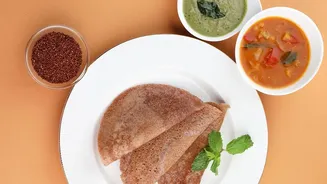
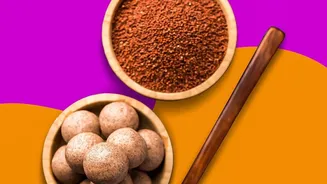
Travel down to Karnataka, and you will find 'Ragi Mudde', a humble-looking but incredibly fortifying sphere made from finger millet flour and water. Eaten with a fiery sambar or a flavourful meat curry, this traditional dish is a staple for a reason:
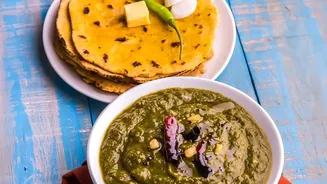
it provides slow-release energy that sustains farmers and labourers through a hard day's work. Head west to the arid landscapes of Rajasthan and Gujarat, and you will be served 'Bajra Roti', a rustic flatbread made from pearl millet. Often enjoyed with a dollop of ghee and a side of garlic chutney or 'gatte ki sabzi', this gluten-free bread has a distinctive nutty flavour and a satisfyingly dense texture. These are not just recipes; they are legacies of regional wisdom, perfectly adapted to their local climates and the nutritional needs of their people.
A Nutritional Powerhouse
The case for millets grows stronger when you look at their nutritional profile. They are packed with protein, fibre, and essential minerals like iron, magnesium, and calcium. Unlike polished rice and refined wheat flour, which cause sharp spikes in blood sugar, millets have a low glycemic index, making them an excellent food for managing diabetes and promoting overall metabolic health. Being naturally gluten-free, they are a godsend for individuals with celiac disease or gluten sensitivity. For a country grappling with rising lifestyle diseases and nutritional deficiencies, re-integrating these grains into our daily diet is not a step backward, but a smart move toward a healthier future.
Good for You, Good for the Farmer
The benefits of millets extend far beyond the dinner plate. These are 'climate-smart' crops, perfectly suited for India's agricultural realities. They are incredibly hardy, drought-resistant, and require significantly less water than rice and wheat, which currently dominate our farmlands. This resilience makes them a low-risk, high-reward option for farmers, especially those in dry and arid regions who are vulnerable to unpredictable weather patterns. By creating national demand for dishes like Bajra Roti and Ragi Mudde, we are not just diversifying our own diets; we are creating a more stable and sustainable livelihood for millions of Indian farmers and strengthening our nation's food security in the face of climate change.
From Forgotten Grains to Future Food
If millets are so wonderful, why did they fall out of favour? The Green Revolution in the 1960s, while critical for averting famine, heavily prioritized the production of high-yield varieties of wheat and rice. These grains became linked with prosperity and modernity, while millets were often dismissed as 'coarse grains' or food for the poor. Government policies and public distribution systems further cemented the dominance of rice and wheat, pushing millets to the margins. However, the tide is turning. Recognizing their immense potential, the Indian government and global bodies have been actively promoting these grains, with the UN even designating 2023 as the International Year of Millets. This push is helping to rebrand millets as a premium, healthy, and eco-friendly choice for the modern consumer.