



A small bedroom can feel like a challenge, easily becoming a hub of clutter that feels more stressful than serene. But creating a calm, visually spacious sanctuary is easier than you think. It's not about magic, but smart, simple strategies.
Lighten Up Your Colour Palette
The fastest
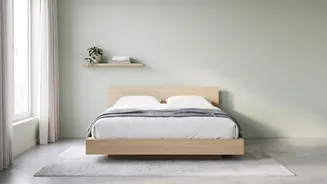
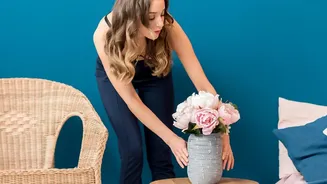
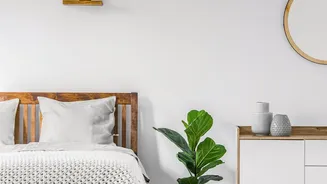
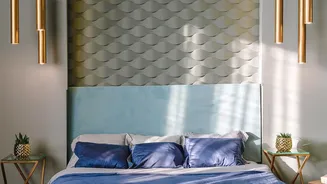
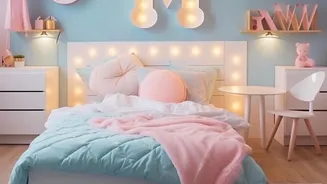
way to create an illusion of space is with colour. Lighter colours reflect more light, making a room feel brighter and more open. Soft whites, pale greys, and warm neutrals like beige are excellent choices because they don't create harsh visual breaks that can make a room feel smaller. Consider a monochromatic scheme, where you paint the walls, trim, and even the ceiling in the same light shade. This technique eliminates the boundaries where walls end and the ceiling begins, drawing the eye upward and enhancing the sense of height. If you love colour, you don't have to avoid it entirely. Just opt for muted, subtle tones like sage green or soft blues, and limit your palette to a few cohesive shades to avoid a busy, cluttered look.
Choose Smart, Scaled Furniture
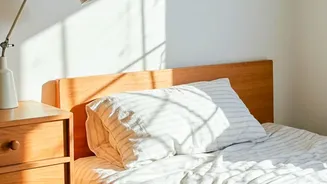
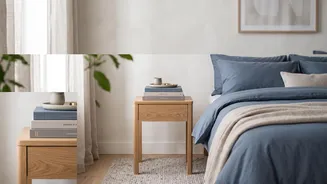
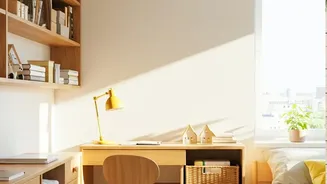
In a small room, every piece of furniture matters. Avoid large, bulky items that dominate the floor and make the space feel cramped. Instead, opt for furniture with a lighter visual weight. Pieces with legs—like a bed frame, nightstands, or a chest of drawers on tapered legs—allow you to see the floor underneath, which creates an illusion of more space. Similarly, a slim console table or a floating desk can provide function without bulk. The most powerful tool in your arsenal is multifunctional furniture. A bed with built-in storage drawers can eliminate the need for a separate dresser, while a storage ottoman can hide away blankets and serve as extra seating. Even a Murphy bed, which folds into the wall, can transform your bedroom into a multi-use space during the day.
Master the Art of Light and Reflection
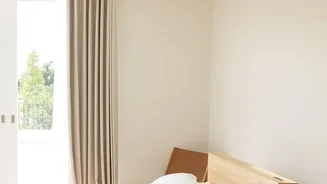
Proper lighting and the strategic use of mirrors can dramatically alter the perception of your room's size. Maximize natural light by keeping window treatments simple. Heavy, dark curtains can shrink a space, so opt for light-filtering shades or hang curtain rods higher and wider than the window frame to make it appear larger. Mirrors are a classic trick for a reason: they work. Placing a large mirror opposite a window will bounce light around the room and reflect the view, adding a sense of depth. Mirrored closet doors are another brilliant solution, as they make the room feel more expansive while also being highly functional. For artificial light, use multiple sources. Instead of one harsh overhead light, layer your lighting with wall sconces or slender floor lamps to eliminate shadows that can make a room feel smaller.
Go Vertical with Storage
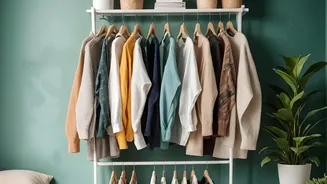
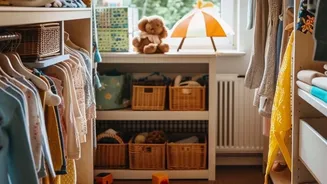
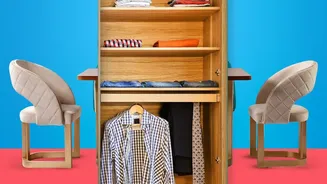
When floor space is limited, the only way to go is up. Utilizing vertical space is key to keeping a small room organised and free of clutter. Tall, narrow bookshelves or wardrobes draw the eye upward and make the ceiling feel higher. Floating shelves are another excellent option; they provide storage for books and decor without taking up any floor space. You can install them above your bed or create a wall-mounted alternative to a traditional bedside table. Look for awkward, unused spaces, like the area above a door, corners, or small alcoves, and fit them with custom shelving or slim cabinets. Even the back of your door can become a valuable storage spot with an over-the-door organiser for shoes or accessories.
Declutter and Curate Your Decor
Visual clutter is anything that creates a sense of busyness and makes a space feel chaotic. The first step is to clear all surfaces. A tidy surface instantly makes a room feel calmer. Then, be intentional about what you display. Instead of many small knick-knacks, group a few items of varying heights together, leaving plenty of 'negative space' around them so each object can be appreciated. This applies to patterns, too. Too many competing patterns on bedding and rugs will make a room feel crowded. The goal is not to get rid of everything you own, but to ensure that everything has a designated home. Work backwards from your habits: if a pile of clothes always ends up on a certain chair, that's where you need a better storage solution. Regular, small decluttering sessions are more effective than one overwhelming purge.