





The Common Problem with Balcony Gardens
Potted plants bring life to urban spaces, but they come with a challenge: water. Every time you water your plants, excess liquid needs to go somewhere. On a solid balcony floor, this runoff can cause a host of issues. Water can pool on the surface, creating
slippery and hazardous conditions. Over time, this standing water can stain tiles, degrade grout, and even seep into the concrete, potentially causing long-term structural damage. The constant moisture also encourages the growth of mould and mildew, which can be difficult to clean and bad for both your plants and your health. Furthermore, if pots sit directly on the floor, they trap moisture underneath, leading to unsightly ring stains and accelerating wear and tear on the surface.
Introducing Modular Waterproofing Covers
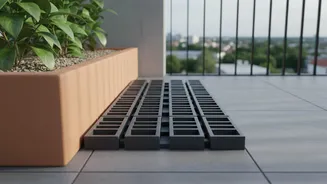
A modular waterproofing cover system is a modern and effective solution to balcony waterlogging. These systems typically consist of interlocking tiles or raised decking platforms that create a new, elevated floor surface. Made from durable materials like composite, plastic, or treated wood, these tiles are designed with an open-grid or slatted structure. They easily snap together without needing special tools, glue, or fasteners, allowing for a straightforward DIY installation. The core principle is simple: the tiles create a gap between the walking surface and the balcony's original floor, allowing water and air to flow freely underneath.
How These Systems Prevent Waterlogging
The genius of a modular system lies in its drainage capabilities. When you water your potted plants, any excess water doesn't pool around the pot's base. Instead, it runs off the pot saucer, through the gaps or slats in the tiles, and onto the original balcony floor below. From there, the water follows the balcony's natural slope to the designated drainage point. This keeps the top surface—where you walk and place your furniture—almost completely dry. By elevating the plants and the walking area, the system ensures that water never sits stagnant on the surface, preventing stains and slippery patches. This separation is also better for the plants, as it ensures their roots aren't sitting in a puddle, which can cause root rot.
Key Benefits for Plant Lovers
Beyond just solving the water problem, modular cover systems offer several advantages. They protect your balcony's structural integrity by channelling water away before it can cause damage. The anti-slip surfaces of many tile systems enhance safety, especially in wet conditions. Aesthetically, they can transform a bare concrete slab into a warm and inviting outdoor space, with options that mimic wood or stone. Maintenance is also simplified; you can easily lift a few tiles to clean away any accumulated dirt or leaves from the subfloor. This improved drainage and airflow helps deter pests that might otherwise be attracted to damp conditions.
Choosing and Installing Your System
When selecting a modular system, consider the material, design, and your local climate. Plastic and composite tiles are highly durable, waterproof, and require minimal maintenance. Wood tiles offer a natural aesthetic but may need occasional sealing to protect them from the elements. Before buying, measure your balcony and check the clearance height at your door to ensure the tiles will fit. Installation is typically a simple DIY project. The tiles feature interlocking mechanisms that just snap into place, allowing you to cover an entire balcony in a few hours. You can easily cut tiles to fit around corners or pipes for a custom finish.