







What Changed? The Magic of Custom GPTs
The game-changer is the ability for anyone to create their own custom version of ChatGPT. These are not just simple chatbots; they are specialized AI assistants that you can tailor to a specific task. By giving the AI specific instructions and uploading
your own files—like research notes, project documents, or business data—you can create a tool that understands your unique context. This process, which once required complex programming, now involves writing plain-language instructions and uploading relevant documents, effectively teaching the AI to be your personal expert on a given topic.
For Students: The Ultimate Project Hub
For students juggling multiple assignments, a custom GPT can act as a personal project manager and tutor. Imagine uploading all your research papers, lecture notes, and syllabus for a history project into a dedicated GPT. You could then ask it to generate a study guide, create practice quiz questions, or help you brainstorm essay topics based on the material you provided. For technical students, it can help generate boilerplate code, explain complex algorithms, or even create a functioning prototype of an app for a class project, turning weeks of work into a matter of days.
For Creators: A Personal Content Engine
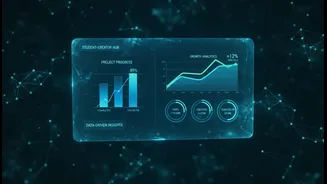
Content creators can use this technology to build a personalized dashboard for managing their workflow. By feeding a custom GPT with your past articles, brand guidelines, and audience feedback, you can create an assistant that helps draft new content in your specific voice and style. It can act as a brainstorming partner, generating new ideas aligned with your brand. You could also build a simple portal that analyzes engagement data from different platforms, providing summaries and insights without needing a complex analytics tool. This streamlines the creative process and helps maintain consistency across all your work.
For Small Teams: The Instant Internal Tool
Small businesses and teams often lack the resources to build custom internal software. With new AI features, they can create powerful tools in hours, not months. A small business can upload all its standard operating procedures (SOPs), HR policies, and internal documentation to create a private, secure knowledge base that employees can query. This 'internal ChatGPT' can answer questions like "What is our policy on vacation days?" or "How do I set up a new client account?" Teams can also build simple client portals for project updates or dashboards that visualize sales data from an uploaded spreadsheet, all without writing a single line of code.
How to Get Started Without Code
Building your first custom dashboard or portal is surprisingly straightforward. It starts with defining a clear goal: what problem do you want to solve? Next, gather your relevant files—be it research, business data, or content examples. Using a platform like ChatGPT, you'll use the 'Create a GPT' function. You then give it instructions in plain language, describing its role, what it should do, and its personality. After uploading your files, you can test it in a preview window and refine its behavior through conversation. The key is that it's an iterative process of conversation and testing, not coding.