




An Escape for the Mind
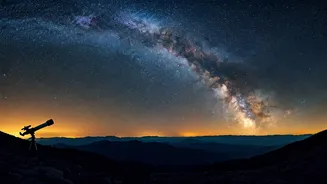
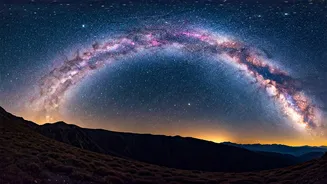
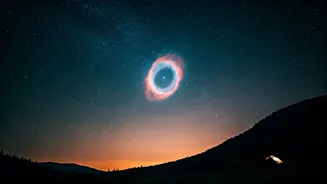
Why trade your warm bed for the cool night air? Because stargazing is more than just a hobby; it’s a form of meditation. In a world that demands constant attention, looking up at the cosmos forces you to slow down. It’s an exercise in perspective. The
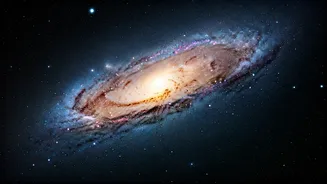
problems that seemed so large during the day shrink in the face of a nebula that is trillions of kilometres away. The light from the stars you see tonight began its journey long before any of us were born, a humbling reminder of our small place in a vast, beautiful universe. It’s a chance to disconnect from screens and reconnect with a sense of wonder we often lose after childhood. This isn't about science alone; it's about finding stillness and awe.
Your Beginner's Stargazing Kit
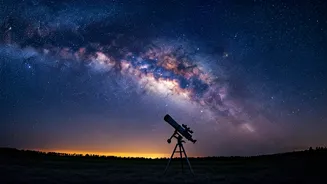
You might think you need an expensive telescope to start, but that's a myth. Your most important tools are your own eyes. Once they adapt to the dark (which can take 20-30 minutes), you'll be amazed at what you can see. To get started, you only need a few things. First, a comfortable place to sit or lie down, like a blanket or a reclining chair. Cranking your neck upwards for an hour is a quick way to ruin the experience. Second, a stargazing app on your phone. Apps like SkyView Lite, Stellarium, or Star Walk 2 use your phone's GPS and compass to show you exactly what you're looking at in the sky. Just point your phone, and they’ll identify stars, constellations, and planets. A pair of basic binoculars can also dramatically enhance the view, bringing craters on the Moon or the moons of Jupiter into focus without the complexity of a telescope.
India's Easiest Celestial Targets
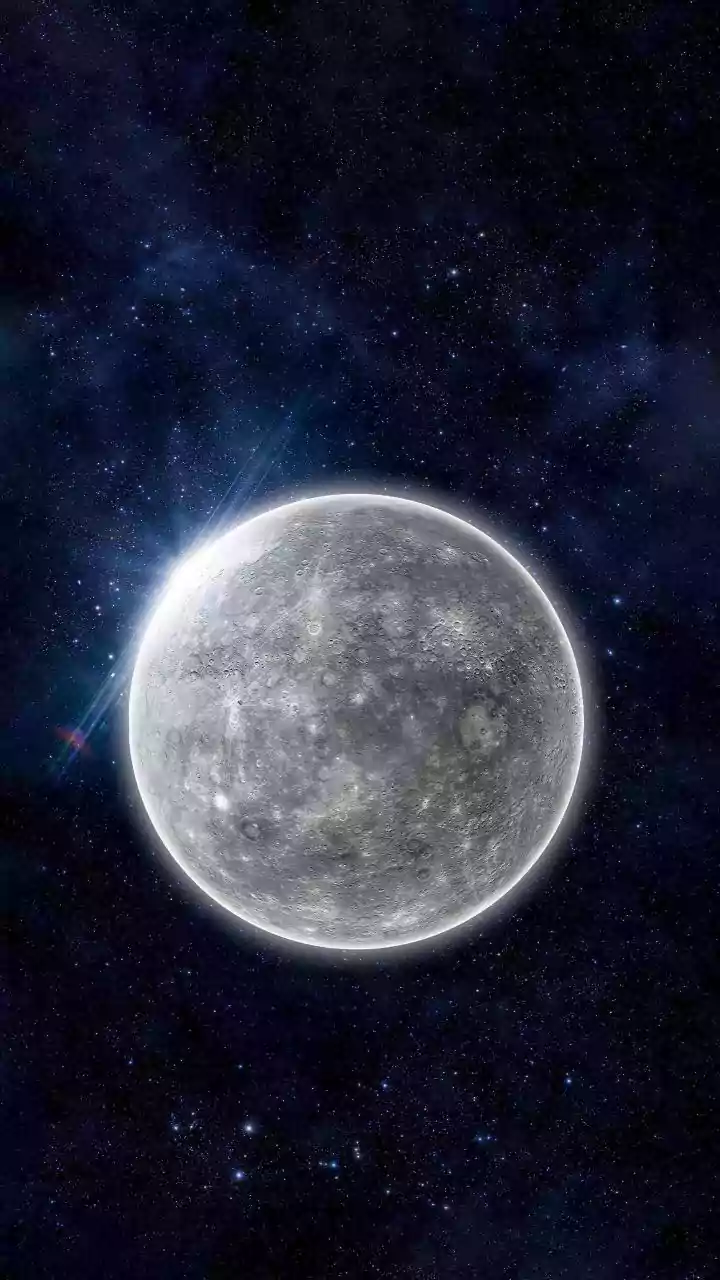
The night sky can feel overwhelming, so start with the big, bright, and obvious. The Moon is your best first target. Through binoculars, you can explore its seas (the dark patches) and craters. Next, look for planets. They look like very bright stars that don't twinkle. Venus is incredibly bright near sunrise or sunset, while Jupiter and Saturn are often visible for much of the night. An app will tell you which are out. For constellations, start with the most recognisable ones in the Indian sky. Saptarishi (the Big Dipper) is a famous group of seven stars that can help you find Polaris, the North Star. Another giant is Orion, the Hunter, easily identified by its three-star belt. It's a prominent winter constellation, a perfect starting point for learning your way around.
Mark Your Cosmic Calendar
The sky is dynamic, with special events happening all the time. The best ones to watch for are meteor showers. These occur when Earth passes through the trail of debris left by a comet. The result is a spectacular show of 'shooting stars.' Two of the best for viewers in India are the Perseids in August and the Geminids in December. During their peak, you can see dozens of meteors per hour streaking across the sky. You don't need any equipment for this—just a dark location and patience. Other events to look for include planetary conjunctions, where two or more planets appear very close together in the sky, or lunar eclipses. Following space agencies or local astronomy clubs on social media is a great way to stay updated on these unmissable shows.
Escaping the City Glow
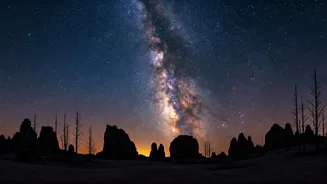
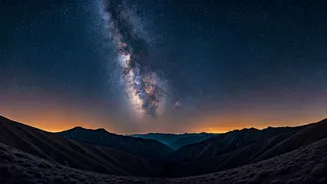
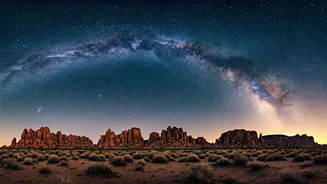
The biggest challenge for any urban stargazer in India is light pollution. The bright glow from cities washes out all but the brightest stars. But you don't always have to drive for hours to find a decent spot. Your own rooftop or a local park can be a good start, especially if you can shield your eyes from direct streetlights. For a truly dark sky, however, you'll need to get away from the city centre. Hill stations, national parks, or even the outskirts of your city can offer a dramatically better view. Look for places like the Spiti Valley in Himachal, the salt flats of the Rann of Kutch, or designated dark sky reserves like the one in Hanle, Ladakh. Even a short trip on a clear, moonless night can reveal a sky so full of stars you'll wonder if it's real.