



The Science Behind the Stench
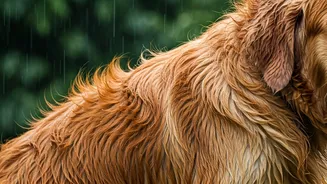
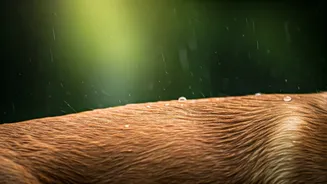
First, let's clear the air about what causes that infamous “wet dog smell.” It’s not the water itself. Your dog’s coat is a tiny ecosystem, home to various microorganisms like bacteria and yeast. When dry, their presence goes unnoticed. But add water—especially
during India's humid monsoon season—and you create the perfect warm, damp environment for these microbes to multiply and release smelly volatile compounds. So, that odour is actually the byproduct of a microbial bloom happening right on your pet’s body. While a little bit is normal, prolonged dampness turns this minor issue into a potential health hazard.
The Danger of Skin Infections
Persistent moisture trapped against your dog’s skin is a leading cause of painful skin conditions. The warm, low-oxygen environment under a dense, wet coat allows harmful bacteria and fungi to thrive. One of the most common issues is pyoderma, a bacterial skin infection that presents as red bumps, pimples, or crusty, flaky skin. Another is Malassezia dermatitis, a yeast infection that causes intense itching, greasy skin, hair loss, and a strong musty odour far worse than the initial damp smell. These conditions are deeply uncomfortable for your pet and often require veterinary intervention, including medicated shampoos or oral antibiotics.
Beware of Painful 'Hot Spots'
One of the most alarming conditions linked to wet fur is acute moist dermatitis, commonly known as a “hot spot.” These can appear with frightening speed. It often starts with a small irritation—perhaps from an insect bite or an initial itch—that your dog licks or chews excessively. The constant moisture from saliva, combined with damp fur, creates a perfect storm. The area becomes a rapidly expanding, red, raw, and weeping lesion that is extremely painful. What might look like a minor rash in the morning can become a large, infected wound by evening, causing significant distress to your animal.
An Invitation for Parasites
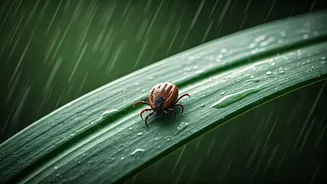
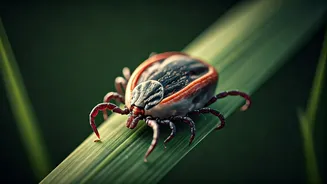
Your pet’s damp coat isn't just a haven for microscopic organisms; it's also a highly attractive environment for larger pests. Fleas, ticks, and mites thrive in warm, humid conditions. A consistently wet dog provides an ideal breeding ground, making them more susceptible to infestation. These parasites are not just a nuisance; they can transmit serious diseases, cause allergic reactions (flea allergy dermatitis is a major cause of itching in dogs), and lead to anaemia in severe cases. Keeping your dog dry is a crucial first line of defence in your pest-prevention strategy, especially in a country where tick-fever is a prevalent concern.
Your Monsoon Pet Care Checklist
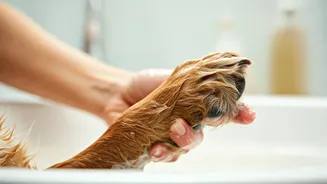
Preventing these issues is far easier than treating them. The key is diligence. After any exposure to rain or a bath, dry your dog thoroughly. Don't just give them a quick towel-off. Use a highly absorbent towel first, then consider a pet-safe blow-dryer on a low-heat setting, keeping it moving to avoid burning the skin. Pay special attention to areas where moisture hides: between paw pads, under the legs, in skin folds (for breeds like Pugs), and around the ears. Regularly brush your dog to remove loose fur and prevent matting, which traps moisture. During your daily grooming, part the fur and check the skin for any signs of redness, irritation, or unusual smells. Early detection is everything.