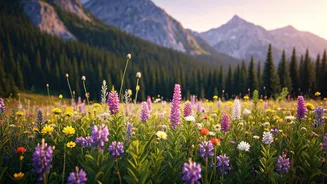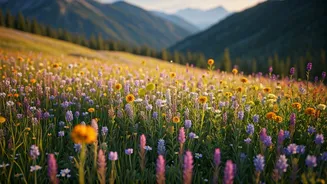




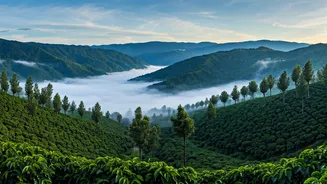


Valley of Flowers, Uttarakhand
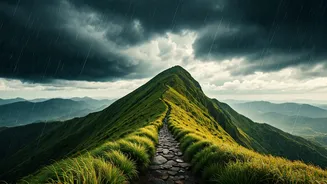
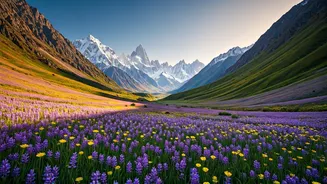
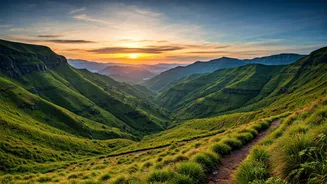
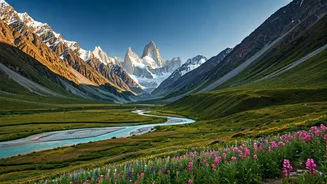
A UNESCO World Heritage Site, the Valley of Flowers is a floral paradise nestled high in the West Himalayas. For most of the year, it lies dormant under a blanket of snow, but from June to September, it bursts into a vibrant carpet of colour. The trek
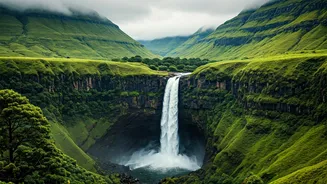
to this valley is as breathtaking as the destination itself, with lush green meadows and cascading waterfalls lining the path. It's an ephemeral beauty, best witnessed between mid-July and mid-August when over 600 species of alpine flowers, including the elusive Blue Poppy and Brahma Kamal, are in full bloom. This high-altitude valley is not just for botanists but for anyone seeking a glimpse of nature at its most spectacular and pristine.
Sundarbans National Park, West Bengal
The world's largest mangrove forest, the Sundarbans is a mystical, water-logged wilderness that is both beautiful and formidable. This UNESCO World Heritage site, straddling India and Bangladesh, is a complex network of tidal waterways, mudflats, and small islands. It is one of the last remaining strongholds of the Royal Bengal Tiger, which has uniquely adapted to an amphibious lifestyle here. Exploring the Sundarbans is done by boat, navigating through dense creeks and rivers, offering a chance to spot not only tigers but also estuarine crocodiles, spotted deer, and a stunning variety of kingfishers. The silence of the forest, broken only by the call of a bird or the splash of a reptile, makes for an unforgettable, immersive wildlife experience.
Periyar National Park, Kerala
Located in the heart of the Western Ghats in Thekkady, Periyar National Park is one of the most popular protected areas in southern India. The park is centred around a serene artificial lake, created by the Mullaperiyar Dam. The most unique way to experience its wildlife is through a boat safari on this lake. From the safety of the boat, visitors can watch herds of elephants bathing and playing by the water's edge, alongside sambar deer, gaur (Indian bison), and wild boars. Periyar remains accessible even during the monsoon, offering lush, dramatic landscapes. For a more intimate experience, guided nature walks and bamboo rafting trips take you deeper into the forest, offering a peaceful and close connection with nature.
Great Rann of Kutch, Gujarat
A truly surreal landscape, the Great Rann of Kutch is a vast salt marsh in the Thar Desert. For much of the year, it is a barren, cracked expanse. But after the monsoon waters recede, they leave behind a dazzling white sheet of salt that stretches as far as the eye can see. This otherworldly setting is best experienced during the Rann Utsav, a cultural festival held from November to February. On full moon nights, the white desert glows with an ethereal light, creating a magical atmosphere. Beyond the salt flats, the region is also a vital habitat for migratory birds, including flamingos, and is home to the endangered Indian wild ass.
Nokrek National Park, Meghalaya
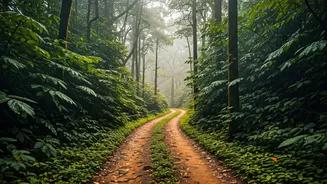
A lesser-known gem in the West Garo Hills of Meghalaya, Nokrek National Park is a UNESCO Biosphere Reserve and a hotspot of biodiversity. The park is renowned for being home to one of the world's oldest and ancestral species of citrus fruit, the Memang Narang. Its dense, subtropical forests are a sanctuary for rare and elusive wildlife. This is one of the few places in India where the shy red panda can be found, making it a bucket-list destination for serious wildlife enthusiasts. The park also shelters Asian elephants, clouded leopards, and numerous bird species. Trekking to Nokrek Peak, the highest point in the Garo Hills, offers panoramic views of the pristine wilderness. The best time to visit for wildlife spotting is from October to May.
Hemis National Park, Ladakh
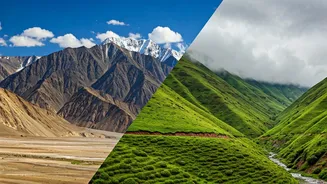
For those who prefer their nature rugged, vast, and dramatic, Hemis National Park in Ladakh is the ultimate destination. As India's largest national park, it protects a high-altitude cold desert ecosystem. This starkly beautiful region of towering peaks and deep gorges is one of the best places in the world to spot the elusive snow leopard. The trek to find this 'grey ghost' is a challenging but rewarding winter adventure, best undertaken between November and March when the animals descend to lower altitudes. Besides the snow leopard, Hemis is also home to the Asiatic ibex, blue sheep (bharal), and the Tibetan wolf, offering a raw and powerful encounter with nature at its most extreme.