






Prioritise Local and Seasonal Blooms
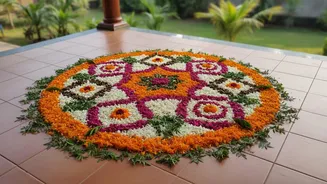
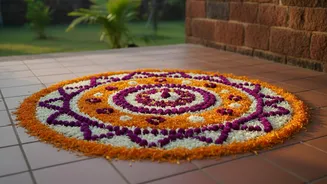
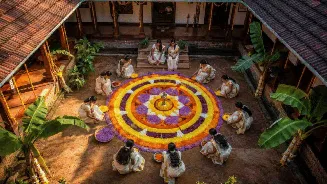
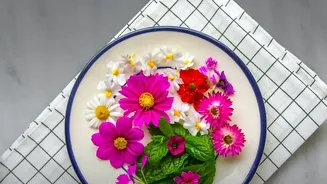
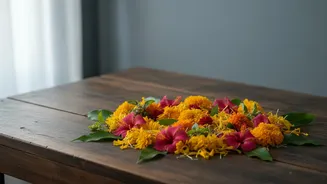
The most sustainable choice is always what’s growing around you. Traditionally, pookkalams were made with flowers foraged from the neighbourhood and one's own garden. Flowers like the white Thumba, red Chethi (Ixora), Chemparathy (Hibiscus), and yellow
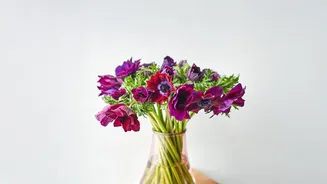
Mukkutti are classic choices that are native to Kerala. Commercially popular flowers like marigolds (Jamanthi), jasmine, and chrysanthemums are also widely available from local markets across India and are a great choice. Opting for these locally sourced flowers drastically reduces the carbon footprint associated with transporting blooms from other states or countries. It also supports local farmers and vendors who rely on the festival economy.
Look in Your Own Backyard First
Before you head to the market, take a walk around your garden or community space. You might be surprised by what you find. Apart from the traditional flowers, many other plants can add colour and texture. Fragrant tulsi leaves, with their deep green hue, are a traditional part of the pookkalam. Other leaves can be used to create beautiful green rings or borders. This approach is not only zero-cost and zero-waste but also deeply connected to the original spirit of Onam, which celebrates the harvest and nature's abundance. Involving children in foraging for flowers and leaves can also be a wonderful way to teach them about local flora and the importance of the tradition.
Embrace Natural Alternatives and Fillers
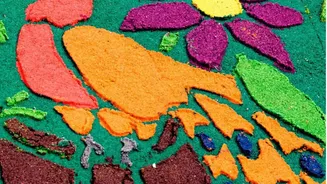
A stunning pookkalam doesn't have to be made entirely of expensive flower petals. To reduce the quantity of flowers needed, get creative with other natural materials. Coloured rice, turmeric powder, and other spices can create vibrant patterns and fill sections of your design. Sawdust can be dyed with natural colours, and rice flour paste is traditionally used for white outlines. These alternatives add interesting textures and can help you create a larger, more intricate design without a hefty budget or environmental cost. They are also fully biodegradable, fitting perfectly within a sustainable framework.
Avoid Plastics, Foams and Artificial Colours
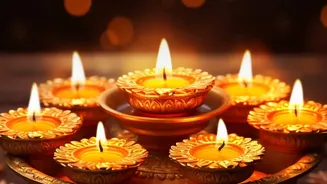
Modern pookkalams sometimes feature synthetic elements like plastic glitter, dyed flowers, or foam shapes to add sparkle or structure. While they may look appealing, these materials are significant pollutants. They are not biodegradable and contaminate the floral waste, making it impossible to compost. Kerala's Green Protocol for festivals specifically advises against using such non-biodegradable items. Stick to the natural beauty of the petals and leaves. If you need to draw an outline, use a piece of wet chalk, which will wash away easily. For a central lamp, choose a traditional brass nilavilakku or earthen diyas instead of plastic alternatives.
Plan for Conscious Disposal
A sustainable pookkalam doesn't end when the festival is over. What you do with the flowers afterwards is just as important. Most floral waste from festivals unfortunately ends up in landfills or water bodies, where it decomposes and pollutes the environment. The best way to dispose of your pookkalam is by composting. Fresh flower petals, leaves, and other organic materials are excellent additions to a home compost bin. If you don't have a compost setup, you can simply dig a small pit in your garden and bury the waste, where it will turn into nutrient-rich manure for your plants. Many temples and communities are also setting up organic waste composters to manage floral waste more effectively.