





Why Our Cities Are Concrete Ovens
Ever notice how a city feels significantly hotter than a nearby village or green area, especially at night? This isn't your imagination. It's a phenomenon called the Urban Heat Island (UHI) effect. Cities are dense collections of materials like asphalt
and concrete, which are dark and absorb massive amounts of solar radiation throughout the day. Unlike natural landscapes with soil and vegetation, these urban surfaces store that heat and release it slowly, keeping temperatures elevated long after the sun has set. With paved surfaces making up around 40% of many urban areas, our roads, parking lots, and footpaths are essentially giant heat sponges, contributing to higher energy bills for air conditioning, increased air pollution, and significant public health risks during heatwaves.
The Simple Science of 'Cool' Pavements
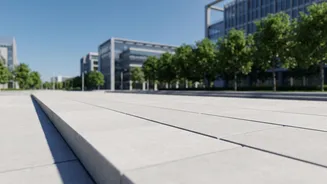
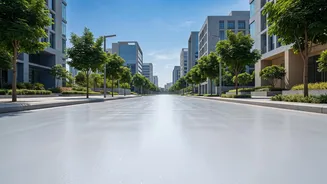
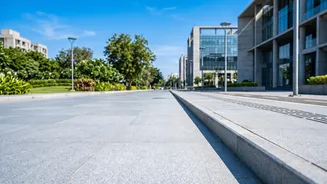
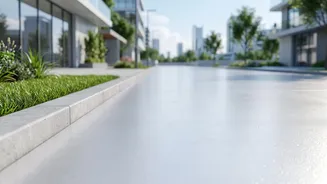
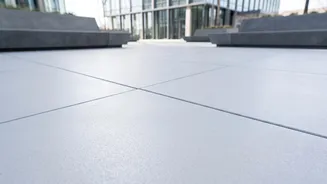
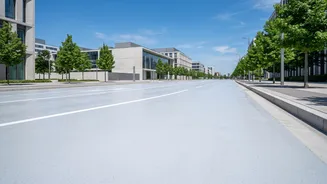
The most straightforward solution to hot pavements is to make them less absorbent of sunlight. This is where reflective pavements come in. The core principle is a concept from physics called 'albedo'—a measure of how much solar energy a surface reflects. A dark, freshly paved asphalt road has a very low albedo, absorbing up to 95% of the sunlight that hits it. A 'cool pavement' uses lighter-coloured aggregates, special reflective coatings, or even concrete, which naturally has a higher albedo. By reflecting more sunlight back towards the atmosphere instead of absorbing it, the surface itself stays cooler. Studies have shown this can lower pavement surface temperatures significantly and, when applied widely, can reduce ambient air temperatures by over 1 degree Celsius.
Smarter Surfaces: Bio-Engineered Coatings
Beyond simple reflection, a new generation of coatings is emerging with more advanced properties. Some are engineered with infrared (IR)-reflective pigments, which can reflect the heat-producing part of the light spectrum even if the colour appears dark to our eyes. This allows for a wider range of aesthetic choices beyond just white or light grey. Other innovations are looking to nature for inspiration. For example, researchers have developed 'bio-coatings' using waste materials like crushed green mussel shells, which are rich in reflective calcium carbonate. These not only repurpose waste but also provide an effective cooling layer. The most advanced coatings are even 'radiative', meaning they not only reflect sunlight but are also highly efficient at emitting any absorbed heat back into the atmosphere and even into space, allowing them to cool surfaces without any energy input.
The Real-World Impact and Challenges
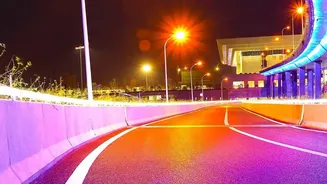
The benefits of these technologies go beyond just a cooler walk. Lower ambient temperatures reduce the strain on air conditioning, saving energy and cutting greenhouse gas emissions. Increased reflectivity can also improve night-time visibility, potentially reducing the need for extensive street lighting. However, these solutions aren't a simple silver bullet. Widespread implementation can be costly, and maintenance is a concern, as dirt and tyre marks can reduce the reflectivity of the surfaces over time. Another challenge is placement; in dense cities with tall buildings, a reflective street might bounce heat and glare onto pedestrian areas and building windows, inadvertently increasing discomfort or cooling costs for lower floors. Therefore, strategic implementation is key, focusing on large, exposed areas like parking lots, wide roads, and roofs.