




Find Your Sunny Spot
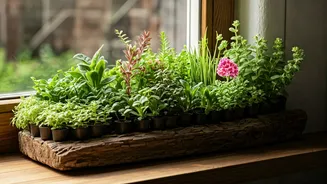
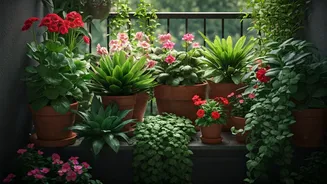
Before you buy a single seed, become a sunlight detective. Most vegetables and flowering plants need at least 5-6 hours of direct sunlight per day. Spend a day observing your potential garden spots—be it a balcony, a window ledge, or a small patch on your terrace.
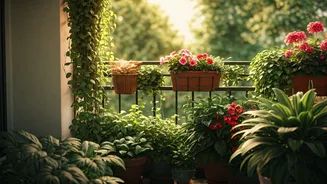
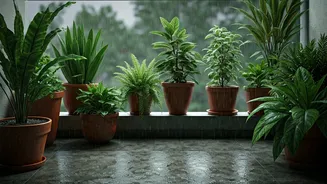
An east-facing spot gets gentle morning sun, which is great for leafy greens and herbs. A south or west-facing balcony might get intense afternoon sun, perfect for sun-lovers like tomatoes, brinjals, and chillies, but you may need to provide shade during peak summer. If you have a low-light spot, don't worry. You can still grow shade-tolerant plants like mint, money plants, and snake plants. Understanding your light is the most crucial first step to a thriving urban garden.
Choose Your Containers Wisely
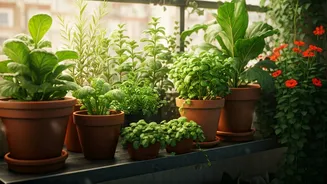
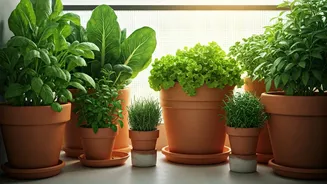
In urban gardening, the pot is your plot of land. The options are endless, so choose based on your space, budget, and the plants you want to grow. Traditional terracotta or clay pots are excellent as they are porous and prevent waterlogging, but they can be heavy. Lighter plastic pots are affordable and retain moisture well, which is useful in hot climates. For a modern, space-saving option, consider grow bags. They are lightweight, provide excellent aeration for roots, and can be easily moved or stored. Don't be afraid to get creative with upcycling! Old paint buckets, large plastic bottles, and even old kitchen utensils can be turned into quirky planters. Just ensure whatever you choose has drainage holes at the bottom to let excess water escape.
Create the Perfect Soil Mix
Good soil is the foundation of a healthy garden. Simply digging up soil from a park won't work for containers, as it becomes too compact and lacks nutrients. You need a light, airy, and nutrient-rich potting mix. You can buy pre-made potting mixes from any local nursery, which is the easiest option for beginners. Alternatively, you can create your own superior mix. A classic recipe for Indian conditions is one part red soil, one part cocopeat (for water retention and aeration), and one part organic compost or vermicompost (for nutrients). Cocopeat is a game-changer for container gardening as it's lightweight and holds moisture, reducing the need for frequent watering. This blend ensures your plants have a sturdy yet breathable home for their roots to grow.
Pick Beginner-Friendly Plants
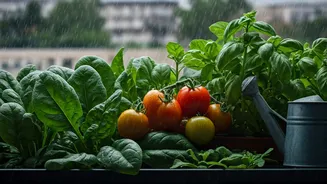
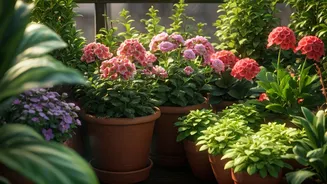
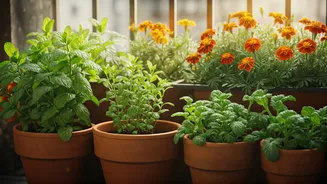
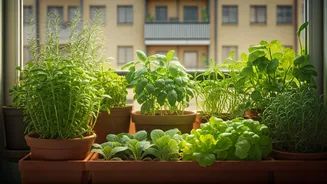
The key to building confidence is starting with plants that are easy to grow and give you quick results. For an Indian urban garden, herbs are a fantastic starting point. Plants like tulsi, mint (pudina), coriander (dhania), and curry leaves are relatively low-maintenance and provide fresh flavours for your kitchen. When it comes to vegetables, start with tomatoes, chillies, okra (bhindi), and brinjal. These grow well in containers and love our sunny climate. If you're looking for colour, marigolds (genda) are a must-have. They are incredibly easy to grow, add a vibrant splash of orange and yellow, and even act as a natural pest repellent for your vegetable plants.
Master the Art of Watering
The most common mistake new gardeners make is improper watering—either too much or too little. There is no fixed schedule; you must water based on the plant's needs and the weather. The best way to check is the 'finger-dip test'. Stick your finger about an inch into the soil. If it feels dry, it's time to water. If it feels moist, wait another day. Water deeply until you see it running out of the drainage holes. This encourages roots to grow deeper. The best time to water is early in the morning, which allows the plant to absorb moisture before the heat of the day and reduces the risk of fungal diseases. Avoid watering the leaves directly; aim for the base of the plant.
Basic Care and Feeding
Plants in containers have limited access to nutrients, so you'll need to feed them regularly. After the first month, start feeding your plants every 15-20 days with a liquid organic fertiliser. You can use compost tea, diluted jeevamrutham, or even just add a handful of vermicompost to the topsoil. For pests, prevention is better than cure. Regularly inspect your plants for any signs of trouble. A simple spray of neem oil mixed with water and a drop of liquid soap is a powerful organic solution for most common pests like aphids and mealybugs. Regularly remove any yellowing leaves or dead flowers to encourage new growth and keep your plants looking fresh and healthy.