



A Mind-Bending Morning Commute
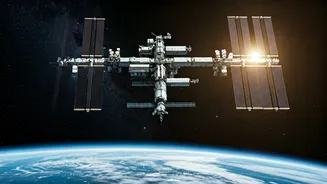
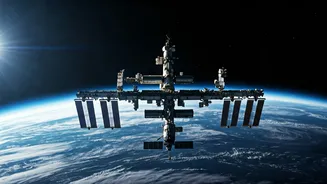
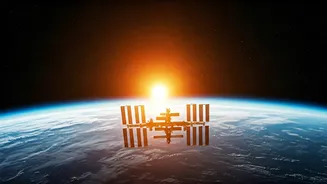
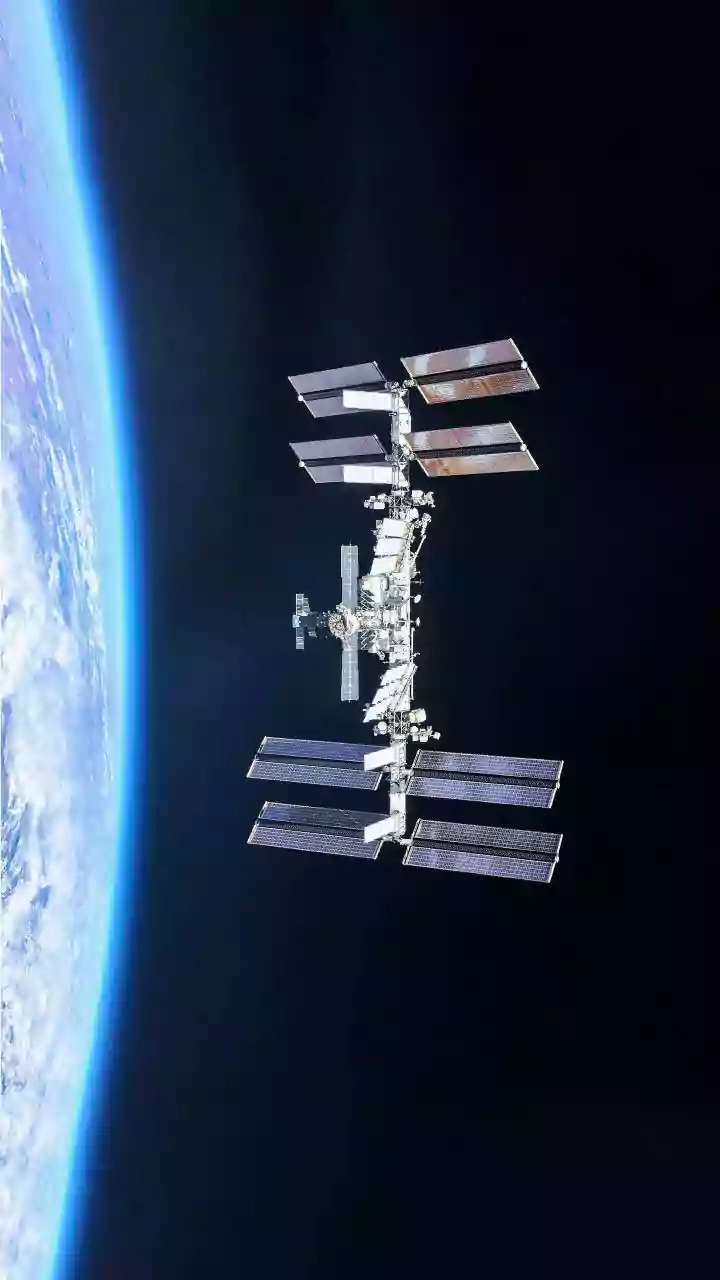
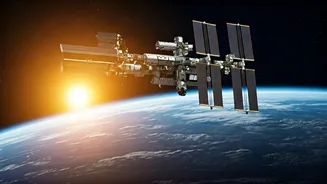
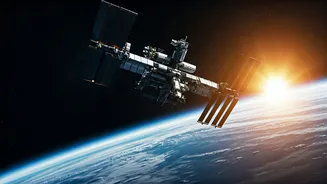
Here's the piece of trivia at the heart of it all: astronauts aboard the International Space Station (ISS) witness 16 sunrises and 16 sunsets every single day. The ISS circles the Earth at a blistering 28,800 km/h, completing a full orbit in about 92
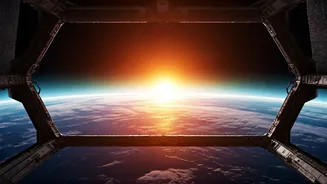
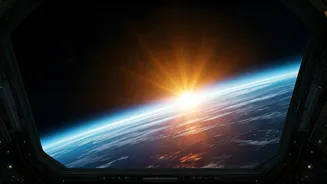
minutes. This means for those on board, a new day dawns roughly every hour and a half. The view is described as a breathtaking, silent leap of light that lasts only a few seconds. This isn't just a fact; it's a perspective-altering reality. While we on the ground experience one slow sunrise, they see a rapid-fire sequence of dawns, a constant reminder of the speed and scale of human exploration. This mind-bending concept is the perfect hook for a generation fluent in the language of viral facts and shareable wonders.
The Gamification of Cosmic Awe
India has a long and robust culture of quizzing and competitive knowledge. From school-level competitions to popular apps and government-run platforms like MyGov, the appetite for trivia is immense. The ISS sunrise fact fits perfectly into this ecosystem. It's specific, verifiable, and has a 'wow' factor that makes it ideal for online quizzes, social media polls, and 'did you know?' content. It represents the gamification of awe—turning a profound scientific reality into a fun, competitive data point. This trend is less about deep astrological study and more about the thrill of knowing and sharing a cool piece of information that feels both futuristic and accessible. It taps into the same dopamine hit as solving a daily word puzzle or winning a round of an online game.
A Search for Digital Wonder
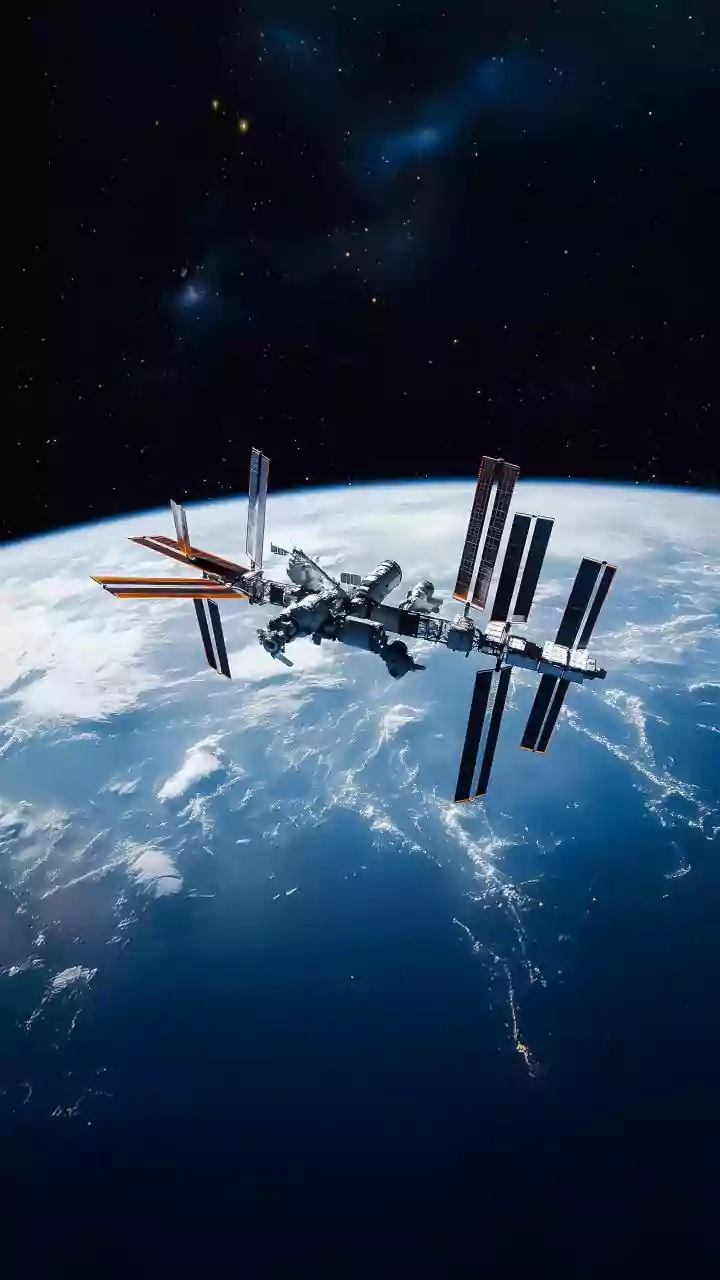
In an online world often saturated with stressful news cycles and curated social media perfection, there is a growing hunger for content that inspires wonder. The ISS, floating silently above the fray, offers just that. Watching a live feed of the Earth from space or seeing a picture of a sunrise over the Indian Ocean from orbit provides a powerful sense of perspective. For many young people, this digital escapism is a form of wellness. This interest is part of a larger trend where space content, once the domain of science channels, has become a source of ambient calm and intellectual curiosity. It's a reminder of a bigger, more mysterious universe, which can be a comforting thought in a complex world.
India's Moment in the Stars
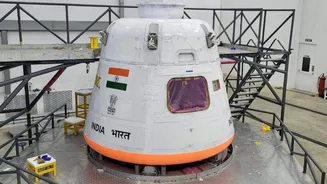
This fascination isn't happening in a vacuum. India's own space program is a source of immense national pride and a driver of youth interest. The historic success of missions like Chandrayaan and Mangalyaan has put space at the forefront of the national conversation. ISRO's achievements, often accomplished on a shoestring budget compared to other nations, have created a powerful 'underdog' narrative that resonates deeply. Furthermore, with ISRO and various startups actively creating programs to involve students and young people in space technology, a career in the sector feels more attainable than ever. This has turned casual interest into active engagement, with a survey showing 24% of Indians want to work in the space sector—more than double the rates in the US or UK. The ISS trivia is a small but significant part of this larger cultural shift, where space is no longer just for scientists; it's for everyone.