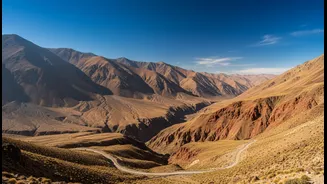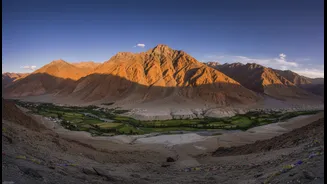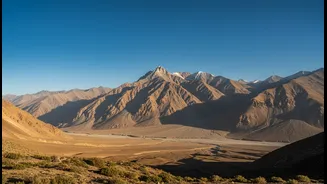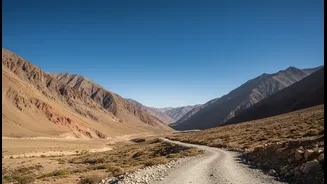



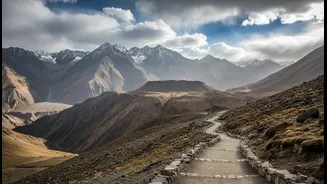
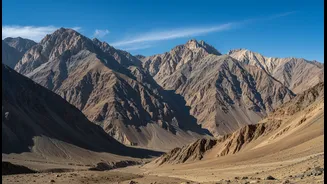
The Soul of the High Plateau
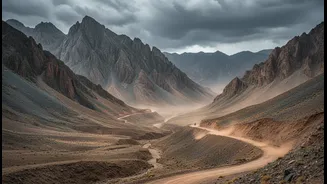
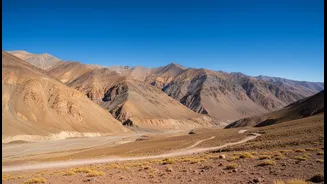
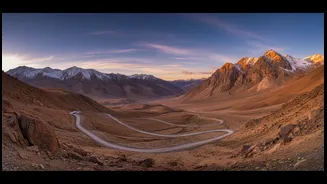
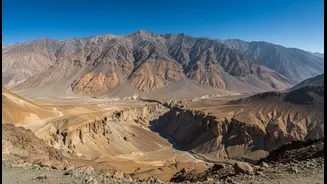
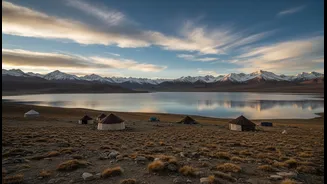
Home to the semi-nomadic Changpa people, the Changthang plateau is a unique cold desert ecosystem. For centuries, the Changpas have practised a life of pastoralism, moving with their herds of yaks and prized pashmina goats in a rhythm dictated by the seasons.
Their existence is a remarkable testament to human adaptation to extreme environments, with a culture deeply woven into the landscape. This traditional lifestyle, dependent on fragile grazing lands and scarce water resources, is what makes the region both fascinating to outsiders and incredibly vulnerable to disruption. The pashmina from their goats is world-renowned, yet historically, the Changpa have seen little of the immense profits it generates. This precarious balance of life, culture, and environment is the real treasure of Changthang.
Tourism: A Double-Edged Sword
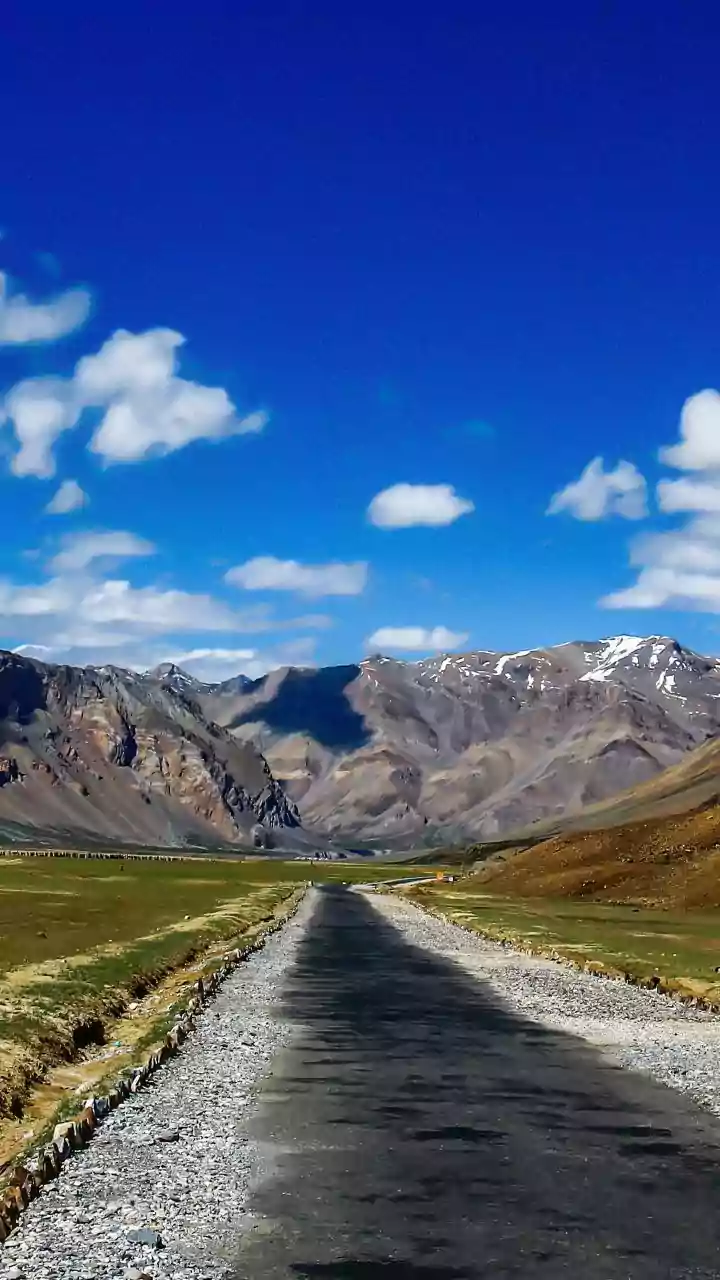
Since Ladakh opened to tourism, and especially after its depiction in popular films, visitor numbers have surged. While this has created new economic opportunities, the rapid and often unregulated influx has come at a great cost. The tourist season in the summer months coincides directly with the breeding season for much of the area's wildlife and the crucial germination period for grasslands, leading to significant ecological damage. The strain on resources is immense, with reports of water shortages as groundwater is excessively extracted for hotels. Piles of plastic waste are a growing scar on the pristine landscape, with tens of thousands of plastic bottles being discarded daily in peak season. Local communities have become skeptical about the long-term sustainability of this boom, noting environmental degradation and the feeling that the economic benefits are not shared equally, often flowing to outside investors or local elites.
The Problem of Extractive Storytelling
Beyond the visible environmental impact is a more subtle, cultural erosion fueled by 'extractive storytelling'. This is a tourism that consumes experiences and images without respect or reciprocity. It manifests in streams of photographers and vloggers who treat the Changpa people and their homes as a backdrop, taking photos without permission and often without any meaningful interaction. There's a profound difference between cultural exchange and cultural commodification. When stories and images are taken without context, consent, or compensation, the narrative is controlled by outsiders, and the profits generated rarely, if ever, trickle back to the community whose lives are being monetised. It reduces a complex culture to a series of shareable moments, stripping away dignity and agency. This practice is not just disrespectful; it perpetuates a colonial-era dynamic where local culture is a raw material to be extracted for external gain.
A Blueprint for Fair Partnerships
The alternative to this damaging model is a shift towards genuine, fair partnerships. This isn't about stopping tourism, but reshaping it to be regenerative and respectful. The framework for this already exists in the principles of community-based tourism. It means empowering local communities to own and manage tourism ventures, such as homestay programs that are culturally and ecologically appropriate. The Ladakh administration has taken steps by revising its homestay policy to support eco-friendly and culturally rooted tourism. It involves establishing and enforcing clear codes of conduct for visitors, particularly around photography and wildlife interaction. For example, responsible travel companies brief visitors on asking for permission before taking photos and maintaining a respectful distance from both people and wildlife. Furthermore, a portion of tourism revenue should be formally directed back into community-managed conservation and development funds, ensuring that the people who are the stewards of the land benefit directly from its preservation. Initiatives like the Snow Leopard Conservancy India Trust's work on community-run homestays show this is possible.