

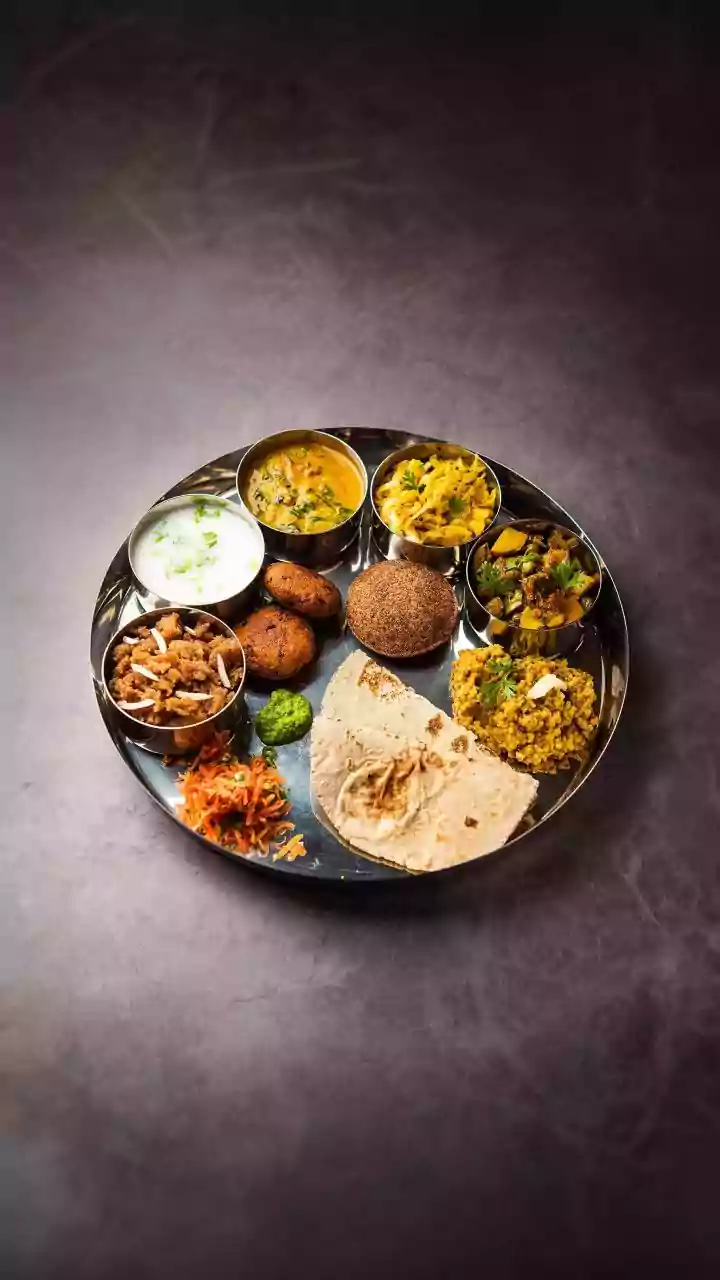



The All-Time Favourite: Sabudana Khichdi
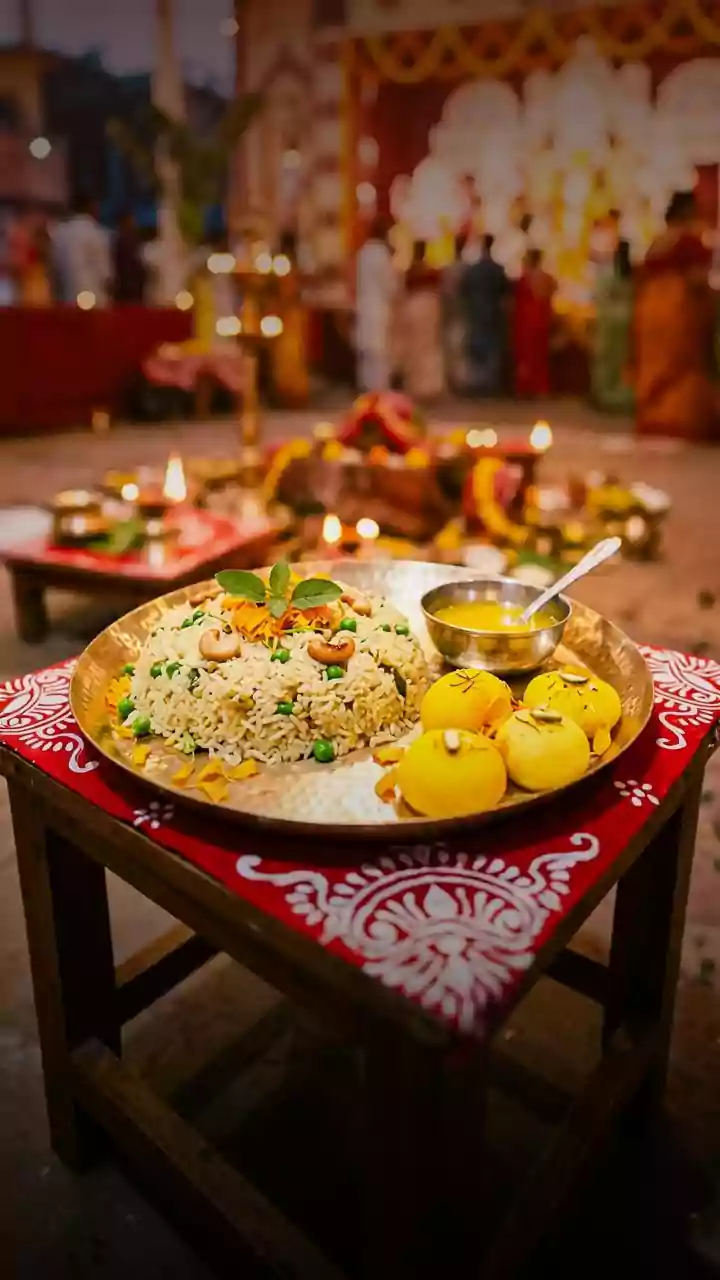
Sabudana Khichdi is a staple during Navratri, loved for its delightful texture and savoury taste. Made from tapioca pearls, sabudana is a fantastic source of carbohydrates, providing a quick and sustained energy boost, which is essential during fasting.
While it's primarily carbs, it's also naturally gluten-free and easy on the digestive system. The key to a perfect khichdi lies in the preparation. To avoid a sticky, clumpy result, the most crucial step is to soak the sabudana correctly. A 1:1 ratio of sabudana to water is a reliable rule of thumb. Wash the pearls thoroughly to remove excess starch, then soak them for 4-6 hours or until they can be easily mashed between your fingers. For a balanced meal, pair it with protein-rich peanuts and healthy fats from a touch of ghee. When cooking, heat ghee or oil, sizzle some cumin seeds, and add chopped green chillies. Sauté diced potatoes until tender, then add roasted crushed peanuts. Finally, add the drained sabudana, rock salt (sendha namak), and a pinch of sugar, and cook until the pearls turn translucent. A squeeze of lemon juice at the end helps separate the pearls and adds a fresh zing.
Wholesome and Crispy: Kuttu Puris
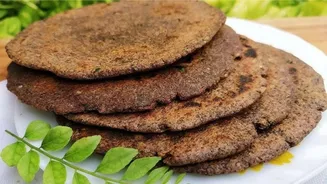
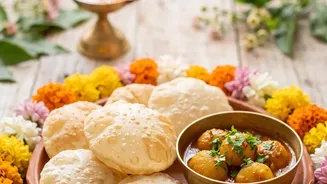
Kuttu ka atta, or buckwheat flour, is another Navratri essential. Despite its name, buckwheat is not related to wheat and is a gluten-free pseudocereal, making it an excellent choice for those with gluten sensitivities. It is packed with high-quality protein, dietary fibre, and essential minerals like magnesium and iron. This nutritional profile makes kuttu puris a far more wholesome option than those made with refined flour. The high fibre content aids digestion and promotes a feeling of fullness, helping to manage hunger during fasts. To make crisp, delicious kuttu puris, the dough is key. Traditionally, boiled and mashed potatoes are mixed with the flour to act as a binding agent. Combine the buckwheat flour with mashed potatoes, sendha namak, and a little water to form a soft, smooth dough. Let it rest for about 30 minutes. Some recipes also suggest using hot water to scald the flour, which can make the dough easier to roll. Divide the dough into small balls, flatten them, and roll them into puris. Deep fry them in hot ghee or oil until they puff up and turn golden brown. Serve them hot with a side of vrat-friendly aloo sabzi for a truly satisfying meal.
A Creamy, Guilt-Free Treat: Makhana Kheer
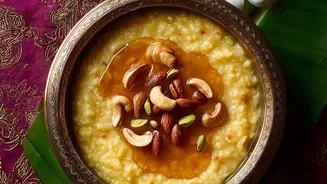
No festive meal is complete without a dessert, and Makhana Kheer is the perfect sweet ending to a fasting day. Makhana, also known as fox nuts or lotus seeds, are a nutritional powerhouse. They are low in calories and fat but rich in protein, fibre, calcium, magnesium, and antioxidants. This makes them an incredibly healthy ingredient, supporting everything from bone health to heart health. To prepare a creamy and flavourful kheer, start by dry-roasting the makhana in a little ghee until they are crisp. This step is vital for a good texture. Once cooled, coarsely crush about two-thirds of the roasted makhana, leaving some whole for a nice bite. In a separate pan, bring full-fat milk to a boil and let it simmer until it thickens slightly. Add the crushed and whole makhana to the simmering milk, along with your choice of sweetener like sugar. Flavour the kheer with cardamom powder and a few strands of saffron for a beautiful colour and aroma. Let it cook until the makhana softens and the kheer reaches your desired consistency. Garnish with slivered almonds and pistachios before serving. This kheer is not only delicious but also light and nourishing.
Tips for a Nourishing Fast
While these dishes are staples, how you prepare them makes all the difference. To ensure your fasting meals are truly nourishing, keep a few things in mind. First, opt for frying in ghee where possible, as it is considered a healthier fat for fasting. When making puris, ensure the oil is hot enough to prevent them from absorbing too much oil. With sabudana khichdi, incorporate a generous amount of roasted peanuts to add protein and healthy fats, making the dish more balanced. Similarly, when preparing makhana kheer, you can reduce the amount of sugar and rely on the natural sweetness of dates or raisins. Hydration is also key, so remember to drink plenty of water, coconut water, or fresh fruit juices throughout the day. Combining these delicious recipes with mindful cooking practices will ensure your Navratri fast is a period of both spiritual and physical wellness, leaving you feeling energetic and light.