



The Purpose of the Pose
Cat-Cow, or Marjaryasana-Bitilasana, isn't about pushing to extremes. It's a gentle, flowing movement designed to improve spinal flexibility, relieve tension in the back and neck, and promote better posture. The 'Cow' pose involves a soft arch of the back,
opening the chest, while the 'Cat' pose rounds the spine to stretch the muscles between the shoulder blades. The magic is in the rhythmic, breath-synchronized movement, which calms the nervous system and enhances body awareness. The goal is to create gentle, fluid motion, not to force the deepest possible arch or round.
Alleviating Wrist Discomfort
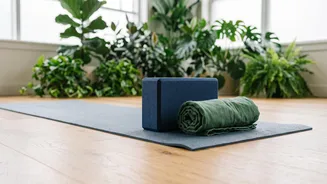
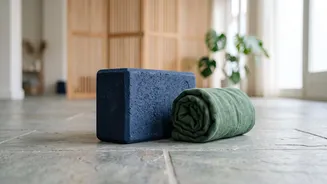
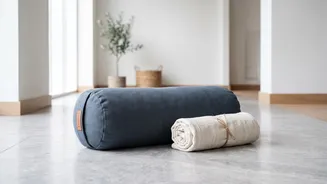
One of the most common complaints in Cat-Cow is wrist pain. This often happens when the hands are bearing too much weight or are incorrectly aligned. The standard tabletop position requires hands directly under shoulders and knees under hips, creating 90-degree angles. If this alignment causes strain, several modifications can provide immediate relief. Try making fists with your hands and resting on your knuckles, which keeps the wrists straight. Another option is to come down onto your forearms, performing the same spinal movements from a lower base. You can also use props; placing a folded blanket under the heels of your hands can reduce the angle of extension and ease pressure.
Navigating Back and Spinal Sensitivity
While Cat-Cow is often recommended for back pain, it can cause discomfort if done incorrectly. A frequent mistake is 'hinging' at the most mobile part of the lower back during Cow pose, rather than distributing the arch along the entire spine. This can create a pinching sensation. To avoid this, focus on initiating the movement from your tailbone. As you inhale into Cow, think of lengthening your spine first, then lifting your chest, rather than simply dropping your belly. If you have a sensitive back or conditions like stenosis, it's crucial to reduce your range of motion. A smaller, more controlled movement can provide the same benefits without strain. You might even skip one direction, moving only from a neutral spine into a gentle arch, for example.
Releasing Neck and Shoulder Strain
Neck pain in Cat-Cow often results from either craning the neck too far back in Cow pose or forcing the chin to the chest in Cat pose. The key is to keep the neck as a natural extension of the spine. In Cow, instead of looking up at the ceiling, soften your gaze forward. In Cat, simply let your head hang heavy rather than actively tucking your chin. Likewise, be mindful of your shoulders. A common tendency is to shrug them up toward the ears. Consciously draw your shoulder blades down your back to create space and prevent tension from building in the upper traps and neck.
Supportive Variations for Every Body
The beauty of yoga is its adaptability, and Cat-Cow is no exception. If being on your hands and knees is uncomfortable for any reason, a seated version is a fantastic alternative. Sit at the front of a sturdy chair with your feet flat on the floor and hands on your knees. Inhale as you arch your spine and lift your chest, and exhale as you round your back. This provides the same spinal mobilisation without any pressure on the wrists or knees. For sensitive knees in the traditional pose, placing a folded blanket or towel underneath them offers simple but effective cushioning. The best version of the pose is always the one that feels good and safe for your body.