

Why the Monsoon Challenges Our System
The monsoon brings welcome relief from summer heat, but the high humidity, drop in temperature, and increased moisture create an ideal environment for bacteria and viruses to thrive. This seasonal shift can weaken our 'agni' or digestive fire, as Ayurveda
terms it, making our gut more vulnerable to issues like bloating, indigestion, and infections. With a compromised digestive system, our overall immunity often takes a hit, making us more susceptible to common monsoon illnesses like colds and flu. This is precisely why paying extra attention to gut health becomes crucial during the rainy season.
Ancient Wisdom, Backed by Modern Science
For centuries, Indian households have turned to fermentation not just to preserve food, but as a cornerstone of health. Today, this age-old practice is finding renewed appreciation. What our grandmothers knew instinctively, modern science now confirms: fermented foods are powerhouses of probiotics. These beneficial live bacteria are essential for maintaining a healthy gut microbiome, which is the community of trillions of microbes living in our digestive tract. A balanced microbiome is directly linked to robust immunity, better digestion, and efficient nutrient absorption—all of which are vital during the challenging monsoon months.
The Fermented Stars of the Season
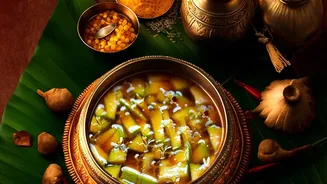
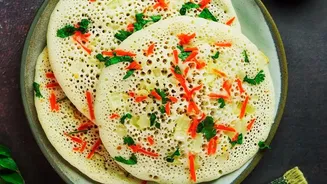
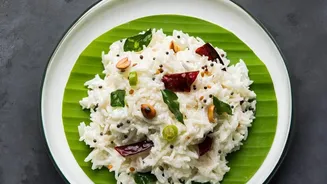
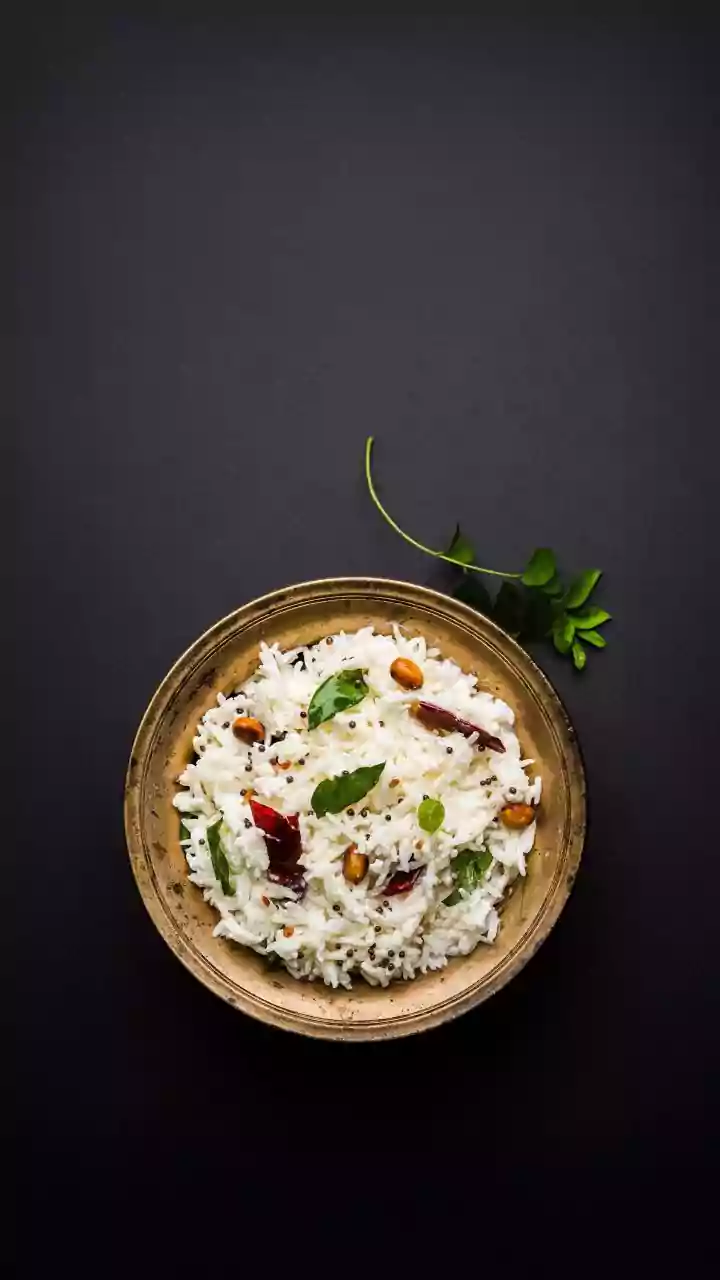
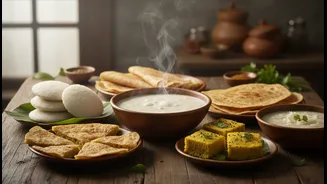
Several traditional foods are taking center stage. The humble Dahi (curd) and Chaas (buttermilk) are perhaps the most common, known for their cooling properties and live cultures that aid digestion. South Indian staples like Idli and Dosa, made from a fermented batter of rice and lentils, are not just delicious but also light and easy to digest. In North India, Kanji—a tangy, fermented drink made from black carrots or beetroot and mustard seeds—is a celebrated probiotic beverage known to boost gut health. Even traditional homemade Achaar (pickles), when prepared through lacto-fermentation rather than just oil and vinegar, are a rich source of good bacteria. In the east, fermented rice dishes like Panta Bhat offer similar benefits.
A Taste of Comfort and Immunity
The appeal of these foods goes beyond their health benefits. For many, they represent comfort and a connection to cultural roots. A warm plate of idli or a glass of spiced chaas can be deeply nourishing for both the body and soul. In Kerala, the monsoon is synonymous with Karkidaka Kanji, a medicinal rice gruel prepared with specific herbs and spices to enhance immunity and strength during the rainy season. This renewed interest isn't just about avoiding sickness; it's about embracing a holistic approach to wellness that feels both authentic and effective. This blend of health, heritage, and comfort is what's drawing new and younger fans to these timeless recipes.
The Trend Brews in Modern Kitchens
This revival is being championed not just by elders, but by a health-conscious younger generation. Social media is filled with recipes and tips for making everything from sourdough dosas to homemade kanji. The trend reflects a broader shift towards mindful eating and a desire to reconnect with sustainable, local food traditions. It's a delicious realization that sometimes the best solutions aren't newfangled fads, but time-tested practices that have been nurturing communities for generations. By turning to our own culinary heritage, we are finding that the key to a healthy monsoon was in our kitchens all along.