




Hike Through History
Greece is a landscape rich with stories. While many visitors flock to the famous ruins, a growing number are discovering a more intimate way to connect with the past: by foot. Ancient routes, once trodden by pilgrims, soldiers, and shepherds, are being
rediscovered and marked for modern hikers. These trails offer more than just stunning views; they are open-air museums where the journey itself is the main exhibit. You can traverse the same stone paths and mule tracks that connected villages for generations, passing hidden monasteries, remote chapels, and fortifications that tell the story of a land shaped by mountains and sea. This blend of physical activity and historical exploration provides a profound connection to the landscape and its enduring heritage.
The Menalon Trail: Arcadia's Mythical Heart
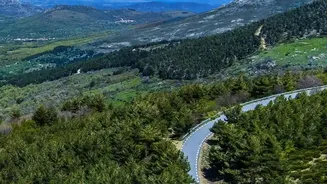
Deep in the Peloponnese, the Menalon Trail offers a 75-kilometre journey through the mythical heart of Arcadia. Certified as one of the 'Leading Quality Trails' in Europe, it's the first of its kind in Greece. The trail is divided into eight sections, winding through the dramatic Lousios Gorge, past traditional stone villages like Stemnitsa and Dimitsana, and alongside the Mylaontas River. Hikers here walk through layers of history. You'll discover cliffside monasteries, such as the 16th-century Prodromos Monastery, and the ruins of the Old Philosophou Monastery, which dates back to 963 AD. These ancient mule trails were the lifeblood of the region, connecting remote communities and sacred sites long before modern roads existed. The trail is well-marked and accessible, offering varied sections for both seasoned trekkers and casual walkers.
The Ursa Trail: In the Footsteps of the Bear
In the Pindos mountains of Epirus lies the Ursa Trail, or 'The Bear's Footprints'. This 40-kilometre network of paths winds through the rugged, beautiful region around Metsovo, an area known for its rich biodiversity and Vlach culture. The trail is named for the brown bears that inhabit these mountains and is a community-driven project focused on sustainable tourism and cultural preservation. Hikers pass through dense forests of black pine and beech, across old stone bridges, and by Byzantine-era churches. The routes vary in difficulty, from gentle walks to challenging climbs. It’s an opportunity to explore a wilder side of Greece, where history is not confined to museums but is etched into the landscape itself, from World War II trenches to ancient shepherd huts.
Epirus: A Land of Oracles and Ancient Theatres
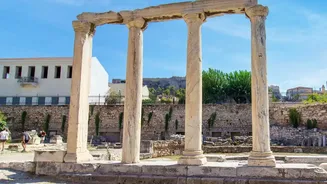
The wider region of Epirus is a treasure trove for the archaeologically-minded hiker. While not a single marked trail, it offers countless opportunities to walk between significant ancient sites. Epirus was home to the Oracle of Dodona, considered the oldest in Greece, where priests interpreted the rustling of oak leaves. Hikers can explore the remains of this sacred site, including one of Greece's largest ancient theatres. The region is also home to the ruins of Nicopolis, a vast city built by the Roman Emperor Octavian to commemorate his victory at the Battle of Actium. Lesser-known but equally compelling sites like the ancient city of Cassope and the Necromanteion, an 'Oracle of the Dead', are scattered throughout the mountainous terrain, inviting exploration on foot.
Planning Your Archaeological Hike
To make the most of your trip, planning is key. The best times to hike in Greece are during the spring (April-June) and autumn (September-October), when the weather is pleasant and the landscape is at its most vibrant. Summer can be extremely hot, especially for strenuous treks. Always wear sturdy hiking shoes, a hat, and light layers of clothing. Carry plenty of water, some snacks, and a reliable map or GPS device, even on well-marked trails. While many trails connect villages with accommodation, some routes are more remote. It's wise to inform someone of your planned route and estimated return time. Whether you opt for a self-guided adventure or a tour, these ancient paths offer a rewarding way to experience the timeless soul of Greece.