



The Rise of the Himalayan Workstation
The fantasy of working with a view of snow-capped peaks has accelerated from a daydream into a tangible lifestyle choice. Over the last few years, a quiet revolution has taken place in the valleys of Himachal Pradesh. Towns once seen only as tourist getaways
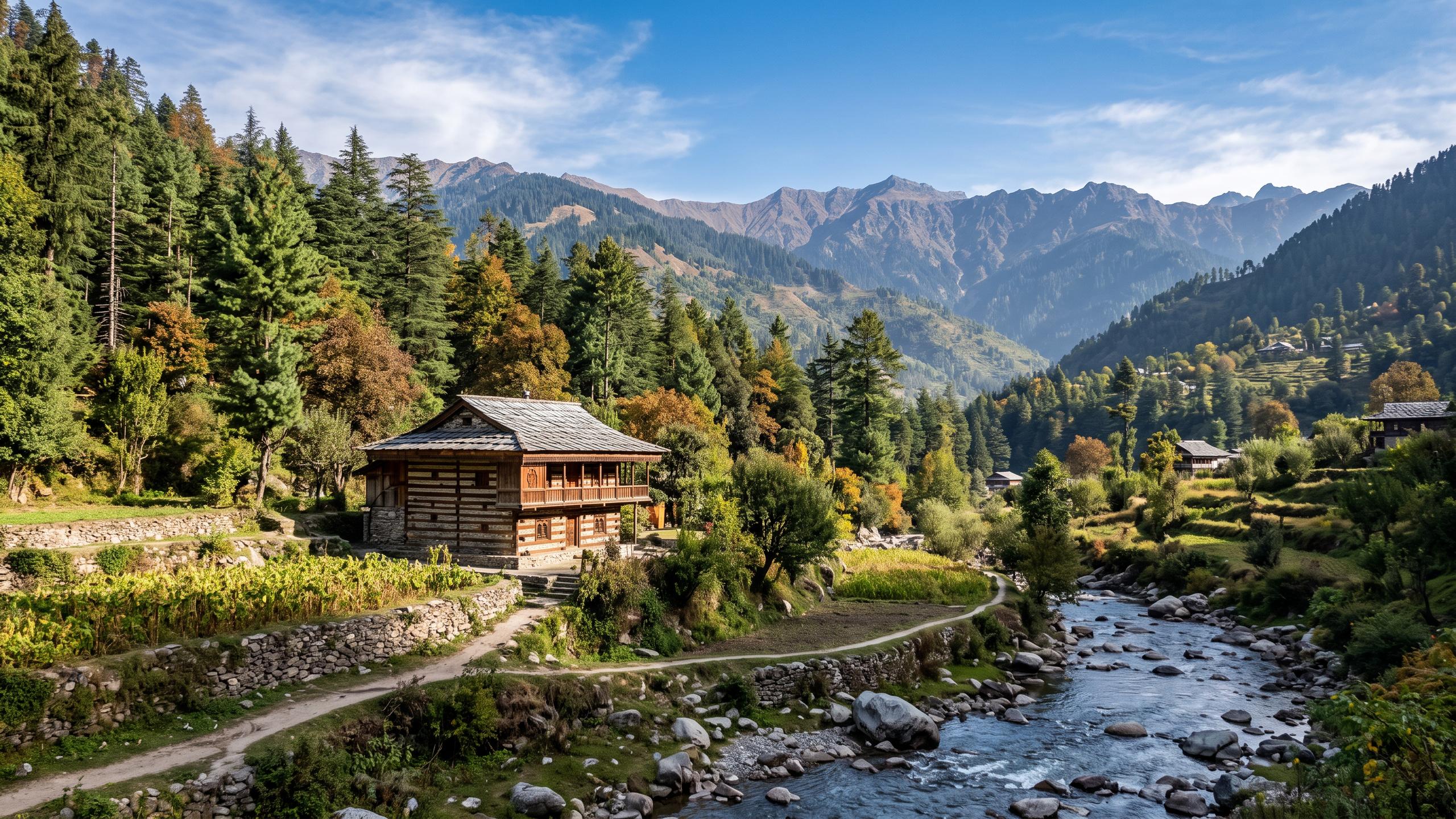
are now rebranding themselves as sanctuaries for digital nomads and remote professionals. Leading this charge are Naggar, a historic town in the Kullu Valley, and Jibhi, a serene village nestled in the Tirthan Valley. These locations offer a compelling blend of tranquility, natural beauty, and, most importantly, the infrastructure needed to stay productive. The concept of co-living, which combines private accommodation with shared workspaces and community areas, has been instrumental in this shift, providing a ready-made solution for those seeking both focus and connection.
Naggar: Culture, Community, and Connectivity
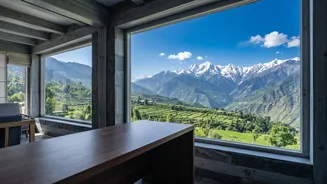
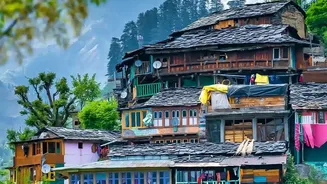
Naggar offers a unique proposition: a peaceful, culturally rich environment without being completely disconnected. Known for the historic Naggar Castle and the Roerich Art Gallery, it provides a more settled, less transient vibe than its bustling neighbour, Manali. For remote workers, this translates into a quieter daily life conducive to deep work. A number of homestays and dedicated workation properties have emerged to cater to this demand. Stays like 'Ghar in the Hills' offer specific amenities for professionals, including work-friendly Wi-Fi, desk options, and long-stay packages that include kitchen access and laundry services. Another option is a tiny home cabin designed for independent stays, featuring Jio AirFiber with speeds around 30 Mbps and up to six hours of power backup, making it a reliable choice for those with demanding work schedules.
Jibhi: An Offbeat Haven for Creatives
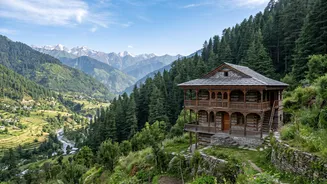
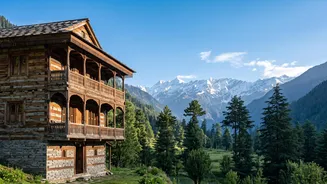
For those seeking a more rustic and immersive nature experience, Jibhi is an ideal choice. Located in the Banjar region, it is often described as a creative's escape, perfect for writers, designers, or anyone whose work thrives in tranquility. The village is dotted with traditional wooden homestays and charming treehouses, many of which now cater to remote workers. However, connectivity here requires more careful planning. While some properties like Mudhouse Experiential Hostel have invested in reliable Wi-Fi for their coworking areas, the connection in more secluded cabins can be less predictable. The key is to verify the internet setup before booking. Many places now offer fiber broadband in the main market area, with speeds around 30 Mbps, but it is crucial to confirm if this extends to your chosen stay.
The Wi-Fi Reality Check
The promise of 'high-speed' Wi-Fi in the mountains is no longer a myth, but it comes with caveats. Major providers like JioFiber and Airtel Xstream have made significant inroads into the Kullu region, with many properties in Naggar and even parts of Jibhi offering stable fiber connections of 30 Mbps and higher. However, professionals whose work is absolutely dependent on uninterrupted, high-speed internet should take extra precautions. Power cuts can still occur, especially during bad weather, making properties with power backups (inverters or generators) highly desirable. It is also wise to carry a mobile data backup, such as a Jio or Airtel dongle, as a secondary option. Before finalizing a long-term stay, always ask the host for a live speed test to ensure the connection meets your professional needs.
Life Beyond the Laptop Screen
The ultimate appeal of a workation in Naggar or Jibhi is the lifestyle it affords outside of working hours. In Naggar, you can spend your evenings exploring ancient temples, visiting local cafes, or taking short hikes into the surrounding forests. Jibhi, with its proximity to the Great Himalayan National Park, offers countless opportunities for trekking, fishing in the Tirthan River, and exploring nearby waterfalls. This balance is the core of the experience—the ability to meet deadlines and then immediately step out into a world that feels a million miles away from the urban grind. The burgeoning café culture in both places also provides a 'third space' for a change of scenery during the workday or for socializing with other remote workers.
Planning Your Himalayan Workation
A successful workation requires some practical planning. The cost of living is significantly lower than in major cities, with monthly estimates for a single person ranging from ₹30,000 to ₹50,000, covering accommodation, food, and utilities. The best time to go for optimal weather and internet stability is during the autumn months of September to November. Monsoon (July-August) can be challenging due to landslides and potential power outages. When booking, opt for longer stays, as many homestays offer significant discounts. It is also crucial to be upfront about your needs: inquire specifically about power backup, dedicated workspaces, and the type of internet connection available. Packing layers is essential, as temperatures can change quickly, even in summer.