


Beyond the Usual Grains
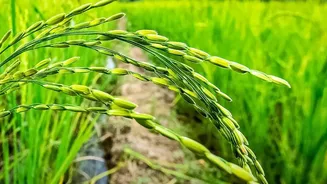
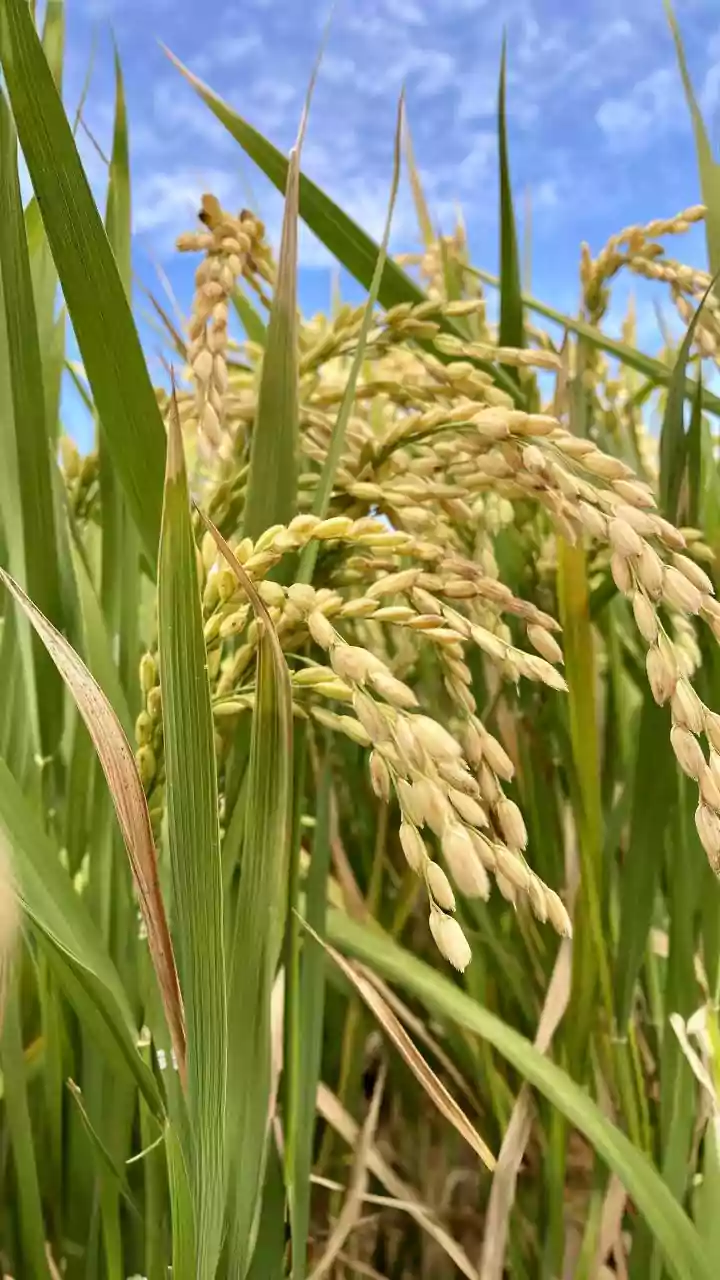
Think of Indian rice and your mind likely conjures images of fluffy basmati for biryani or simple white rice for daily meals. Yet, India was once home to over 100,000 rice varieties, each adapted to a specific region's climate, soil, and cuisine. After
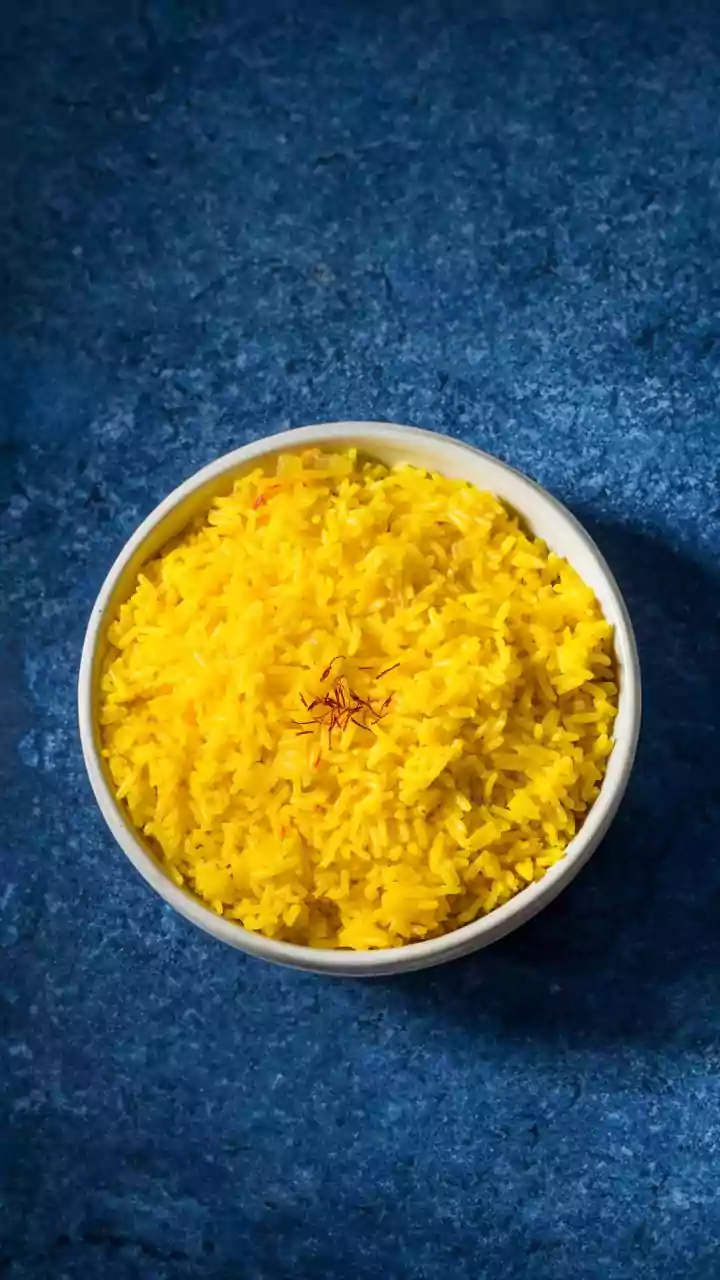
decades where high-yield hybrids dominated, many of these unique grains nearly vanished. Now, a growing movement led by conscious consumers, chefs, and conservation-focused farmers is bringing them back. Varieties like the fragrant Gobindobhog from West Bengal, nutty-flavoured Kala Namak from Uttar Pradesh, and floral Ambemohar from Maharashtra are reappearing in kitchens, celebrated for their distinct tastes and textures that commodity rice simply cannot match.
A Renaissance of Flavour and Aroma
One of the biggest drivers of this trend is the search for authentic flavour. Unlike the uniform taste of mass-produced rice, heirloom varieties offer a complex sensory experience. West Bengal’s Gobindobhog, a GI-tagged grain, has a naturally sweet, buttery aroma perfect for kheer or khichuri. Maharashtra's Ambemohar, whose name means 'mango blossom,' is prized for its strong, pleasant fragrance. Meanwhile, Kala Namak, also known as 'Buddha Rice,' offers a unique nutty taste that elevates simple steamed dishes. Chefs and home cooks are finding that these grains do more than just form a base; they contribute their own distinct character to a meal, turning everyday dishes into something special.
More Than Just Carbs
The return to traditional rice is also fuelled by a growing awareness of their nutritional benefits. Many heirloom varieties are less polished than commercial white rice, allowing them to retain more of their natural fibre, vitamins, and minerals. Red and black rice varieties are rich in antioxidants, while many traditional grains have a lower glycemic index, which helps in managing blood sugar levels. For example, Gobindobhog is easily digestible and a good source of B vitamins, magnesium, and potassium. Kala Namak is noted for its higher protein, iron, and zinc content compared to standard white rice. This makes them a smarter choice for health-conscious families looking for nourishment, not just filler.
From Conscious Farms to Your Kitchen
This revival isn't happening by accident. It's the result of dedicated efforts by small farming communities, conservationists, and entrepreneurs who recognise the value of agricultural biodiversity. Many of these traditional varieties are more resilient to local climate challenges like floods and droughts, reducing the need for chemical inputs. By choosing these grains, consumers are not only getting a better-tasting and healthier product but are also supporting sustainable agriculture and helping preserve India's rich food heritage. These grains are increasingly available in organic stores, farmers' markets, and through online platforms that connect farmers directly with consumers, making it easier than ever to explore this culinary treasure.
Getting Started with Regional Rice
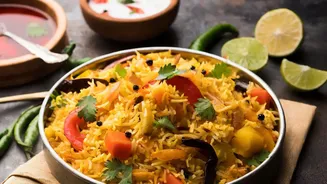
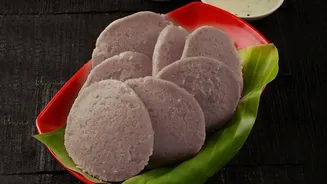
Ready to explore? Don't be intimidated. Cooking with these grains is often just as simple as preparing your usual rice. For a soft, aromatic daily rice, try West Bengal’s Gobindobhog. For a fluffy pulao, Assam's Joha rice is an excellent choice. If you're making a traditional South Indian dish like dosa or idli, the short-grained Ambemohar rice from Maharashtra yields wonderfully soft results. Most of these varieties can be cooked in a pot or pressure cooker with a standard water-to-rice ratio, though it's always good to check the package for specific instructions. The key is to experiment and let the unique flavours of each grain inspire your cooking.