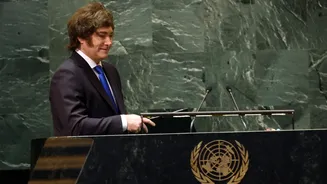





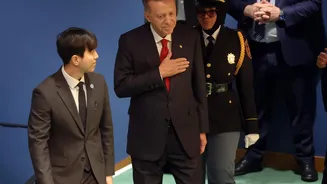
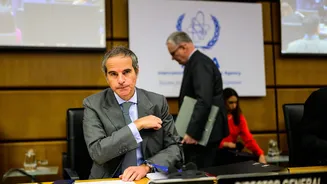

The COP31 climate summit in Antalya, Turkey, has concluded after two days of overtime talks without a final agreement. The collapse marks a significant setback in global climate diplomacy, exposing deep rifts that stalled progress.
Why the Talks Collapsed
After running for a
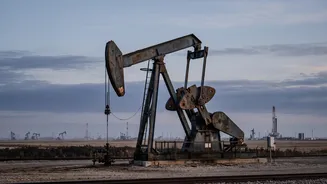
record 50 hours past its deadline, the summit failed to produce an overarching 'Antalya Pact'. The central sticking point was the language surrounding fossil fuels. A coalition of over 130 nations, including the European Union and climate-vulnerable island states, refused to accept a final text that did not include a clear commitment to transition away from coal, oil, and gas. Conversely, a group of oil and gas-producing nations, including Saudi Arabia and Russia, resisted any mention of a fossil fuel phase-out. The draft text, which was ultimately rejected, omitted any direct reference to fossil fuels, a move the EU’s representative called 'unconscionable' and a form of 'greenwashing'. UN Secretary-General António Guterres expressed deep disappointment, blaming the failure on powerful fossil fuel interests.
The Other Great Divide: Climate Finance
Beyond fossil fuels, the issue of money created another major deadlock. Developing nations arrived at COP31 demanding concrete financial support from the developed world to help them adapt to climate change and transition to cleaner energy. A key area of conflict was the Loss and Damage Fund, established to compensate vulnerable nations for unavoidable climate disasters. Requests for funding reached approximately $2.8 billion, but the fund currently holds only $342 million. Developing countries, represented by the G77 and China bloc, pushed for a clear roadmap to triple adaptation finance, but left with no firm commitments or specific targets, leading to widespread frustration. The African Group of Negotiators stated they were there to 'claim what is rightfully ours' for the suffering caused by the historic emissions of developed nations.
India’s Stance: Equity and Development First
India was a vocal advocate for the principle of 'Common But Differentiated Responsibilities and Respective Capabilities' (CBDR-RC). Throughout the summit, Indian representatives argued that any climate action must be accompanied by adequate finance and technology transfer from developed nations, which bear a greater historical responsibility for emissions. India's position, closely aligned with the G77 and other developing country groups, stressed that its transition to cleaner energy must be nationally determined and not compromise its development priorities. The Indian delegation insisted that climate ambition from the Global South is dependent on the delivery of financial promises from the Global North, framing the negotiations as a test of fairness and equity.
Was Anything Achieved?
While the main political pact failed, the summit was not a total wash. Negotiators did manage to reach consensus on several smaller, technical items. An agreement was made on a 'just transition' work programme, which aims to ensure fairness for workers and communities affected by the shift to a low-carbon economy. Progress was also made on defining rules for carbon markets under Article 6 of the Paris Agreement and on a work programme for climate finance, even if the headline numbers were missing. Furthermore, outside the formal negotiations, a coalition of around 80 nations signed onto a '35-by-35' target, which aims to increase electricity’s share of global energy use to 35 percent by 2035.
What Happens Next?
The failure to secure a deal in Antalya places immense pressure on future negotiations. The commitments made in previous years, including the 2015 Paris Agreement and the 2023 Dubai agreement to 'transition away' from fossil fuels, legally remain in place. However, this collapse is the first of its kind since the Copenhagen summit in 2009 and erodes trust in the multilateral process. The focus now shifts to regional efforts and the lead-up to COP32, which is set to be held in Addis Ababa, Ethiopia. Many advocates and nations left Antalya with the sentiment that 'no deal is better than a bad deal' that would have weakened previous commitments and locked in failure. The world will be watching to see if countries can bridge these deep divides before they meet again.