




The Myth's Origin: The NASA Study
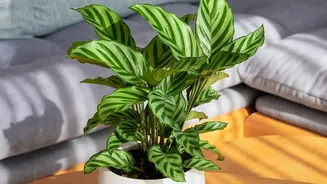
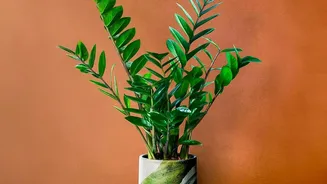
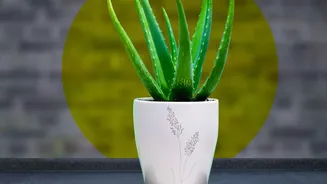
The idea that houseplants can scrub the air of pollutants took root in 1989 with a well-known NASA study. Researchers, looking for ways to purify air in sealed space stations, placed common houseplants in small, airtight chambers and injected pollutants like
benzene and formaldehyde. The results were promising: the plants effectively removed a significant portion of these volatile organic compounds (VOCs). This single study became the foundation for the widespread belief that filling our homes with greenery was a simple and effective way to breathe cleaner air. The logic seemed simple—if it works for a space station, it must work in a living room. However, the conditions of the experiment were key: it was conducted in a sealed environment, which is vastly different from a typical home or office.
The Reality: It Doesn't Scale Up
The major issue with applying the NASA findings to our homes is the difference in environment. Our houses and apartments are not sealed chambers; they have constant air exchange with the outdoors through windows, doors, and ventilation systems. A 2019 review by researchers at Drexel University analyzed 30 years of studies on the topic and came to a stark conclusion. They found that the rate of natural air exchange in a building dilutes pollutants much faster than plants can absorb them. To put it in perspective, their calculations showed you would need anywhere from 10 to 1,000 plants per square meter of floor space to match the air-cleaning power of a building's standard ventilation system or just opening a few windows. For the average room, that would mean creating an impractically dense indoor jungle to achieve any meaningful impact on air quality.
Don't Ditch Your Plants Just Yet
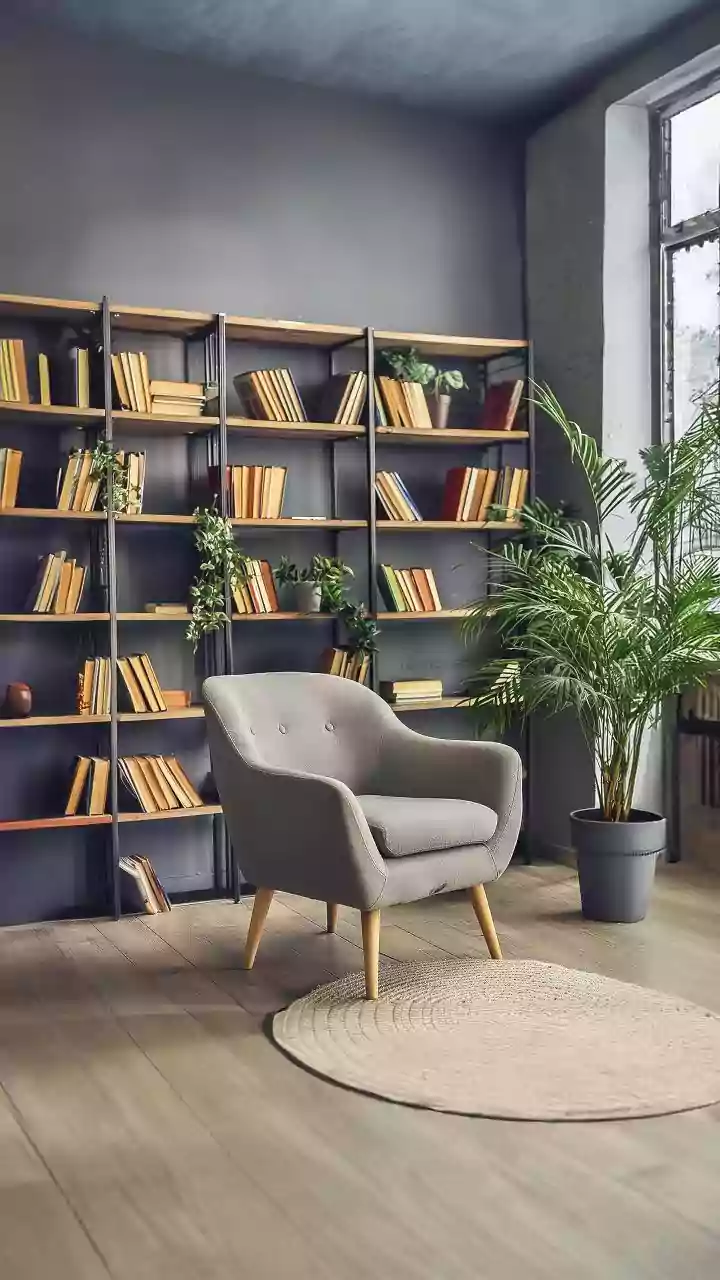
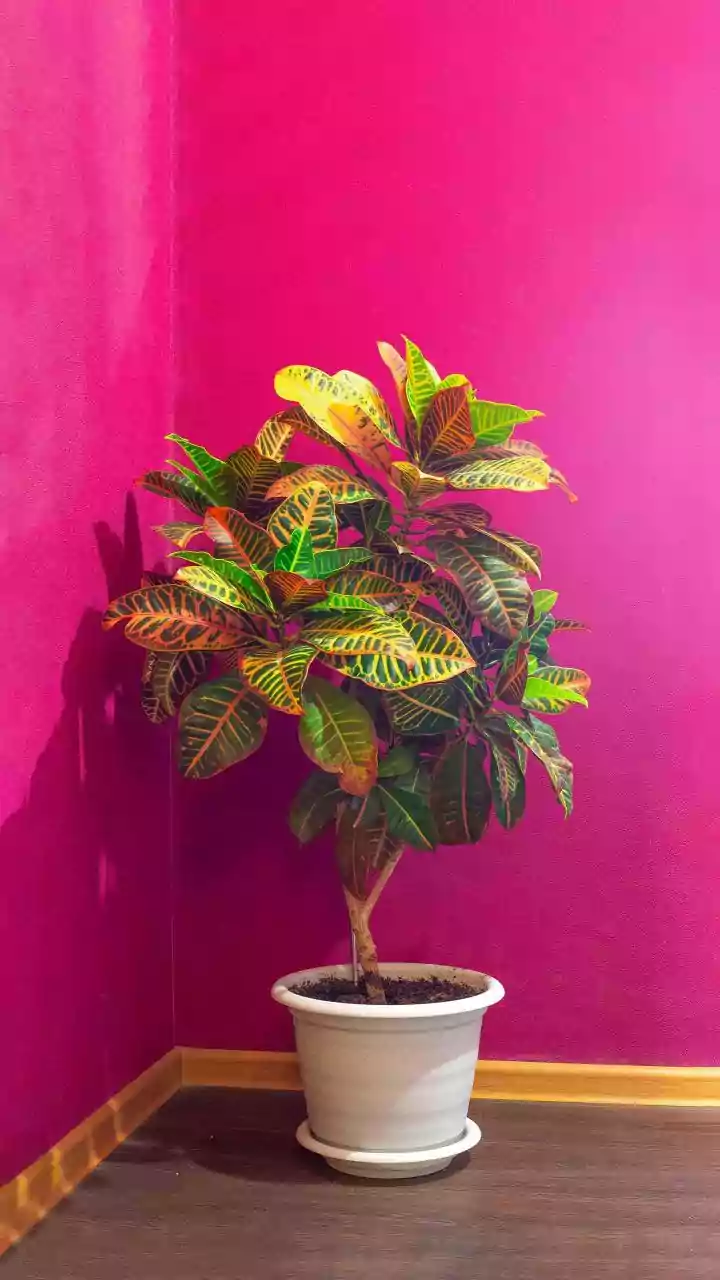
While they may not be the powerful air purifiers we once thought, houseplants offer a host of other proven benefits that make them a valuable addition to any indoor space. Numerous studies have shown that the presence of indoor plants can have a significant positive impact on mental well-being. Tending to plants can reduce stress and anxiety, and simply being around greenery can boost mood and improve concentration. This connection to nature, often called biophilia, is an important aspect of creating a calming and healthy home environment. Plants also add aesthetic beauty and can help regulate humidity levels through a process called transpiration. So, while you shouldn't rely on your ficus to filter pollutants, you can certainly appreciate it for making your space feel more alive and serene.
What Actually Works for Cleaner Air
If plants aren't the answer, what is? According to agencies like the US Environmental Protection Agency (EPA), improving indoor air quality relies on a three-pronged approach: source control, ventilation, and filtration. The most effective strategy is source control—eliminating or reducing pollutants at their origin. This can mean avoiding smoking indoors, using low-VOC paints and cleaning products, and ensuring gas stoves are well-maintained. The second key is ventilation. Regularly opening windows and doors, even for a few minutes a day, helps to flush out stale, polluted indoor air and replace it with fresh outdoor air. Using exhaust fans in kitchens and bathrooms also effectively removes contaminants. Finally, for an extra layer of protection, consider using air purifiers with HEPA (high-efficiency particulate air) filters, which are designed to capture tiny airborne particles, including dust, pollen, and dander.