
Often overlooked, the humble banana flower is a culinary gem waiting to be discovered. Known as 'vazhaipoo' or 'kele ka phool' in India, this teardrop-shaped blossom offers a unique texture that brilliantly soaks up spices.
An Introduction to the Banana Flower
The banana flower, also called
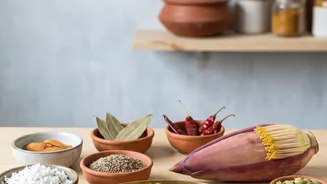
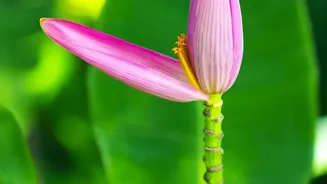
a banana blossom or banana heart, is the large, purplish, cone-shaped flower that hangs at the end of a banana bunch. While the tough, colourful outer leaves (called bracts) are generally not eaten, the tender florets inside and the fleshy heart are culinary treasures, particularly in South and Southeast Asian cuisine. Its flavour is mild, nutty, and slightly vegetal, often compared to artichokes or bamboo shoots, with a hint of bitterness that mellows upon cooking. This neutral taste profile makes it an excellent vehicle for the bold spices used in Indian cooking.
The Tedious but Essential Prep Work
Preparing a banana flower requires a bit of patience, but the results are well worth it. The main challenges are its tendency to brown quickly and the sticky sap it releases. To begin, rub your hands and knife with oil to prevent staining. Peel away the tough, dark outer layers one by one, collecting the clusters of small, yellowish florets underneath. Within each floret, you must remove two inedible parts: a tough, translucent petal (the calyx) and a slender stalk with a sticky tip (the pistil). As you work, keep the cleaned florets and the tender inner heart submerged in a bowl of acidic water—either with lemon juice, vinegar, or traditional buttermilk—to prevent discoloration. Once all florets are cleaned, and you've reached the pale, tender core, chop everything finely.
The Secret to a Perfect Cutlet
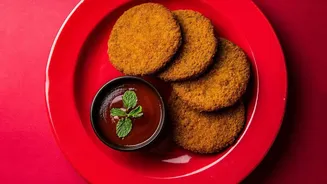
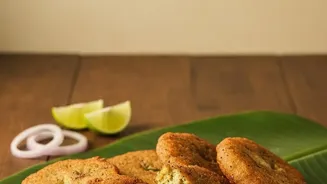
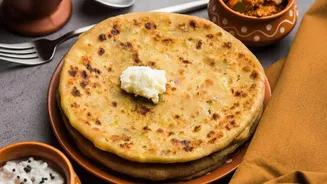
The shredded, slightly fibrous texture of banana flower gives vegetarian cutlets, or tikkis, an incredible body and a satisfying, almost meaty consistency. Its ability to absorb and hold onto spices ensures every bite is flavourful. For fantastic pan-fried cutlets, start by boiling the chopped banana flower until tender, then drain and squeeze out any excess water. In a bowl, combine the cooked flower with mashed boiled potatoes, finely chopped onions, ginger-garlic paste, and a mix of spices like red chilli powder, garam masala, and fennel seeds. The potato acts as a binder. If the mixture feels too wet, a tablespoon of rice flour or chickpea flour (besan) can help. Shape the mixture into patties, coat them in breadcrumbs, and shallow-fry until golden brown and crisp on both sides.
Mastering a Flavourful Stir-Fry
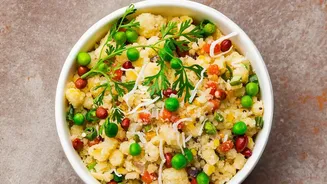
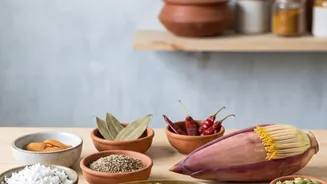
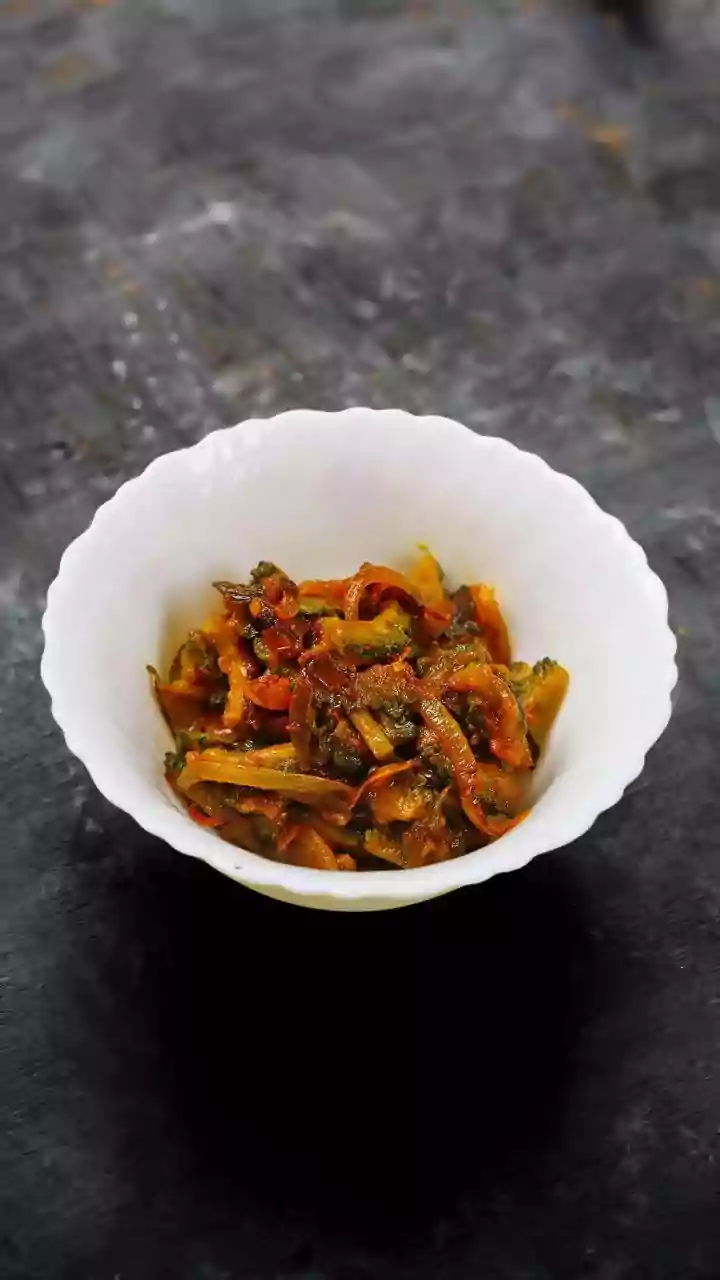
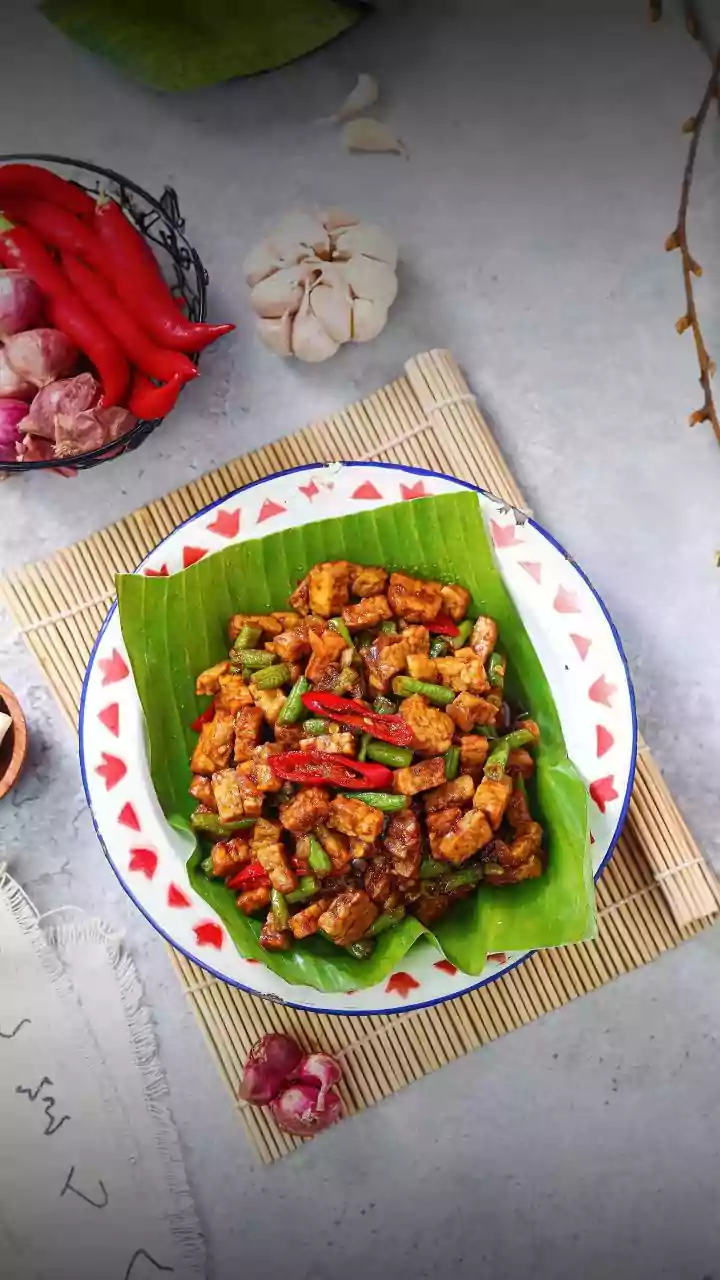
In a stir-fry, the shredded banana flower truly shines, acting like a sponge for the aromatic 'tadka' and spices. The popular South Indian 'vazhaipoo poriyal' is a perfect example. To make it, heat oil in a pan and temper with mustard seeds, urad dal, curry leaves, and dried red chillies. Add finely chopped onions and sauté until translucent. Some recipes suggest adding a lot of onion to help balance any slight bitterness from the flower. Next, add the drained, chopped banana flower and sauté. It will cook down and shrink. You can add a pinch of turmeric and sambar powder for flavour. Finish the dish by stirring in a generous amount of freshly grated coconut, which adds sweetness and texture. Cook until the moisture has evaporated and serve hot.
More Than Just a Pretty Flower
Beyond its culinary uses, the banana flower is valued for its nutritional profile. It is a good source of dietary fibre, both soluble and insoluble, which aids in digestion and promotes gut health. It also contains a wealth of antioxidants, including quercetin and catechins, as well as essential minerals like potassium, calcium, magnesium, and iron. In traditional medicine, it has been used for various purposes, from managing menstrual wellness to supporting kidney function. While modern research is still exploring the full extent of its benefits, it’s clear that incorporating this flower into your diet is a nutritious choice.