




The Best of Two Worlds
So, what exactly is Japandi? At its heart, it’s a design philosophy that marries the modern, rustic simplicity of Scandinavian design with the timeless elegance and minimalism of Japanese aesthetics. Think of it as the perfect fusion: from Scandinavia,
we get 'hygge'—that feeling of cozy contentment and well-being. From Japan, we get 'wabi-sabi'—the appreciation of beauty in imperfection and transience. The result is a style that’s minimal but warm, and curated but comfortable. It’s no wonder this look has gone viral; it offers a sophisticated yet livable retreat from our often-chaotic lives.
Start with a Neutral Foundation
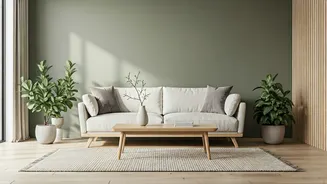
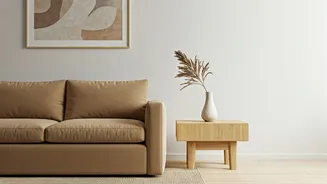
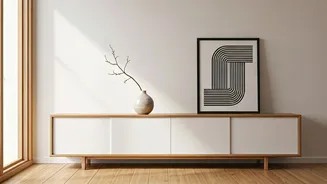
The Japandi color palette is your first step to creating a tranquil space. Move away from harsh, sterile whites and instead embrace warmer, more natural neutrals. Think soft beige, stone gray, creamy off-white, and earthy tones like taupe or mushroom. These colors create a serene backdrop. While the palette is largely monochrome, it isn’t boring. Scandinavian design often incorporates pops of soft, cool colors like muted blues and pale pinks, while Japanese style introduces richer earth tones. A key Japandi move is using black as a sharp, graphic accent—in a picture frame, a light fixture, or the legs of a chair—to ground the space and add definition.
Focus on Natural Materials
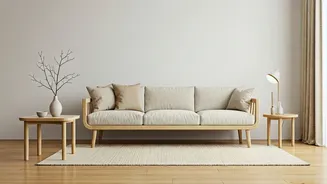
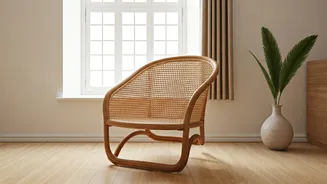
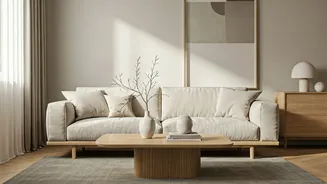
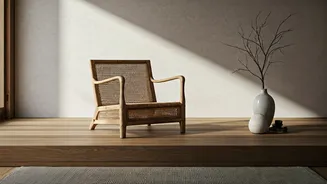
Texture is everything in a Japandi interior. The style emphasizes a deep connection to the natural world, so layer your space with organic materials. For woods, combine the light-colored woods common in Scandinavian design (like oak, maple, and pine) with the richer, darker woods favored in Japan (like walnut or stained cedar). Beyond wood, introduce materials like bamboo, rattan, and jute in furniture and accessories. For textiles, think natural and tactile: cozy wool throws, crisp linen curtains, and soft cotton cushions. The interplay of these different textures adds visual weight and a sense of warmth that prevents the minimalist space from feeling cold.
Choose Low-Profile, Quality Pieces
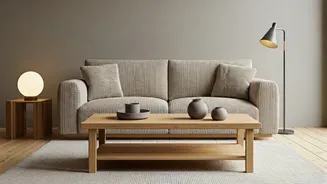
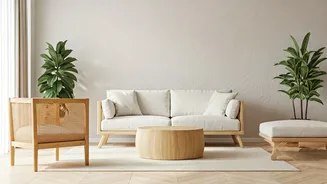
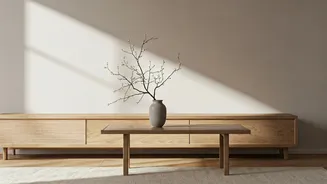
Japandi is the antithesis of fast furniture. The philosophy is 'buy less, but buy better.' When selecting furniture, look for pieces with clean lines and high-quality craftsmanship. A hallmark of the style is low-profile furniture—low sofas, coffee tables, and sideboards—which is common in traditional Japanese homes and helps create a feeling of openness. The goal is functionality. Every piece should have a purpose and be beautiful in its own right. Avoid ornate details and overly decorative items. Instead, let the form and material of the furniture speak for themselves.
Curate, Don't Accumulate
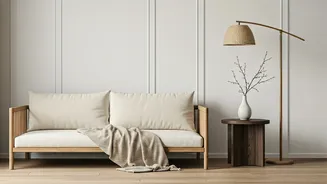
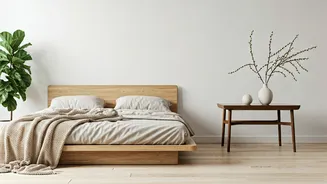
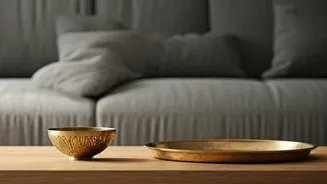
Perhaps the most challenging but rewarding aspect of Japandi design is its emphasis on decluttering with intention. This isn't about creating a sterile, empty void. It's about surrounding yourself only with items that are either functional, beautiful, or deeply meaningful. Say goodbye to clutter on every surface. Instead, choose a few key decorative pieces: a single, elegant vase with a simple branch (an ikebana-inspired touch), a stack of beautiful art books, or a handcrafted ceramic bowl. The negative space around these objects is just as important as the objects themselves, as it allows each item to be truly seen and appreciated.