








The Rise of the Digital Doppelgänger
It sounds like science fiction, but the technology is here and accessible. Deepfakes are hyper-realistic, AI-generated videos or audio clips where a person’s likeness is digitally grafted onto another person. The technology, powered by machine learning,
can clone a voice from just a few seconds of audio and create a moving, talking avatar from a handful of photos. [10, 12, 3] Initially a tool for high-tech film effects, deepfake software is now readily available, allowing criminals to weaponise it for fraud. [10] These aren't just grainy, glitchy videos; modern deepfakes can be startlingly convincing, making it increasingly difficult to trust what you see and hear. [1, 9] The primary goal of these scams is to exploit your trust and create a sense of urgency to trick you into sending money or revealing sensitive information. [4, 5, 9]
Anatomy of a Deepfake Scam Call
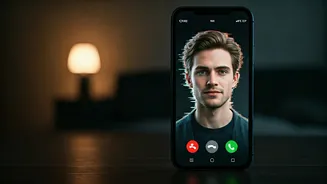
The typical scenario plays on your deepest fears. You receive an unexpected video call. It’s your child, a parent, or another close relative. Their face looks right, and their voice is unmistakable, but they’re in distress. They claim they've been in an accident, are in trouble with the law, or have been kidnapped and need money immediately for bail, medical bills, or a ransom. [6, 9] The scammer, using the deepfaked video and voice, will pressure you to act fast and may instruct you not to contact anyone else—a classic tactic to prevent you from verifying the story. [17] The emotional panic they induce is designed to cloud your judgment, pushing you to transfer funds before you have a chance to think critically. [5] In one documented case, a company lost over $25 million after an employee was duped by a deepfaked CFO in a video conference. [1] While corporate targets are common, these scams are increasingly aimed at individuals and families. [16]
How to Spot the Telltale Signs
While deepfakes are getting better, they are not yet perfect. Being vigilant can help you spot the inconsistencies. In video, look for unnatural facial movements or expressions that seem stiff or delayed. [7] Blinking is often a giveaway; the person might blink too often, too little, or in an unsynchronised way. [3] Pay attention to the lighting and shadows—they may not match the background, or glares on the skin might look odd. [1, 3] Other visual red flags include a blurry or flickering hairline, jagged or jerky head movements, and poor lip-syncing where the audio doesn't quite match the mouth movements. [1, 3] On the audio side, listen for a robotic or monotone tone that lacks natural emotional inflection, or strange pauses as the AI generates responses. [1, 4] Any one of these signs should be cause for immediate suspicion.
Your Action Plan: Verify Before You Act
If you receive a suspicious call, the most important step is to verify the person's identity through a separate channel. [16] Hang up immediately, even if it feels rude. Then, call the person back on a phone number you know and trust. [5, 8] Do not use a number the potential scammer provides. You can also text them or a different family member to confirm the situation. Another powerful strategy is to establish a secret 'safe word' or a personal question with your close family. [16, 17] This should be a word or a question about a shared memory that an outsider couldn't possibly know. If a caller claiming to be a loved one can't provide the safe word, you know it's a scam. This simple step acts as a powerful verification tool against even the most convincing deepfake. [17]
Protecting Yourself and Your Family
Proactive defence starts with digital hygiene. Be mindful of your digital footprint; the more video and audio of yourself you post publicly, the more material scammers have to create a convincing clone. [16] Consider making your social media accounts private. [16] It’s also crucial to have an open conversation with your family, especially older relatives who may be less familiar with this technology and are prime targets for these scams. [8, 13] Explain how deepfake scams work and agree on your verification plan, including a family safe word. [17] If you encounter a scam, hang up immediately, do not engage, and report the incident to the relevant authorities. Taking these steps can build a crucial line of defence, allowing you to stay connected with loved ones without falling victim to those who would exploit that connection.