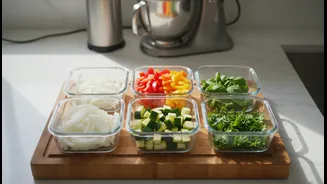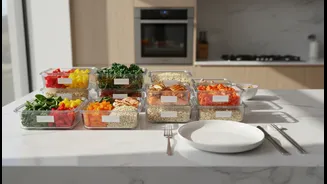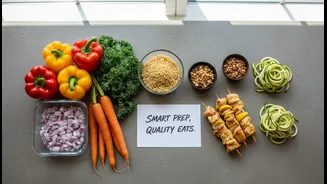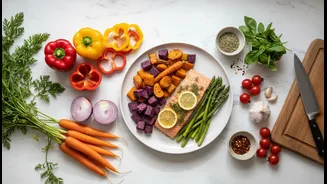



The Base Component Philosophy
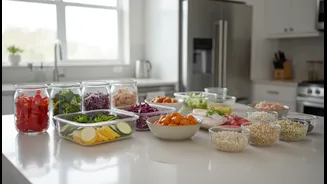
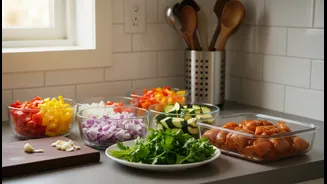
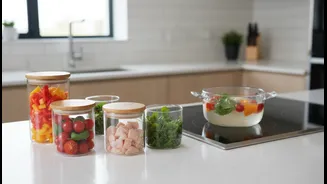
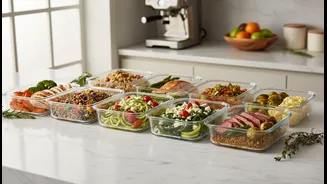
The problem with traditional meal prep is rigidity. You cook five identical portions of chilli or lasagna, and by day three, you’re already bored. The component method, however, offers flexibility. Instead of full meals, you prepare large batches of foundational
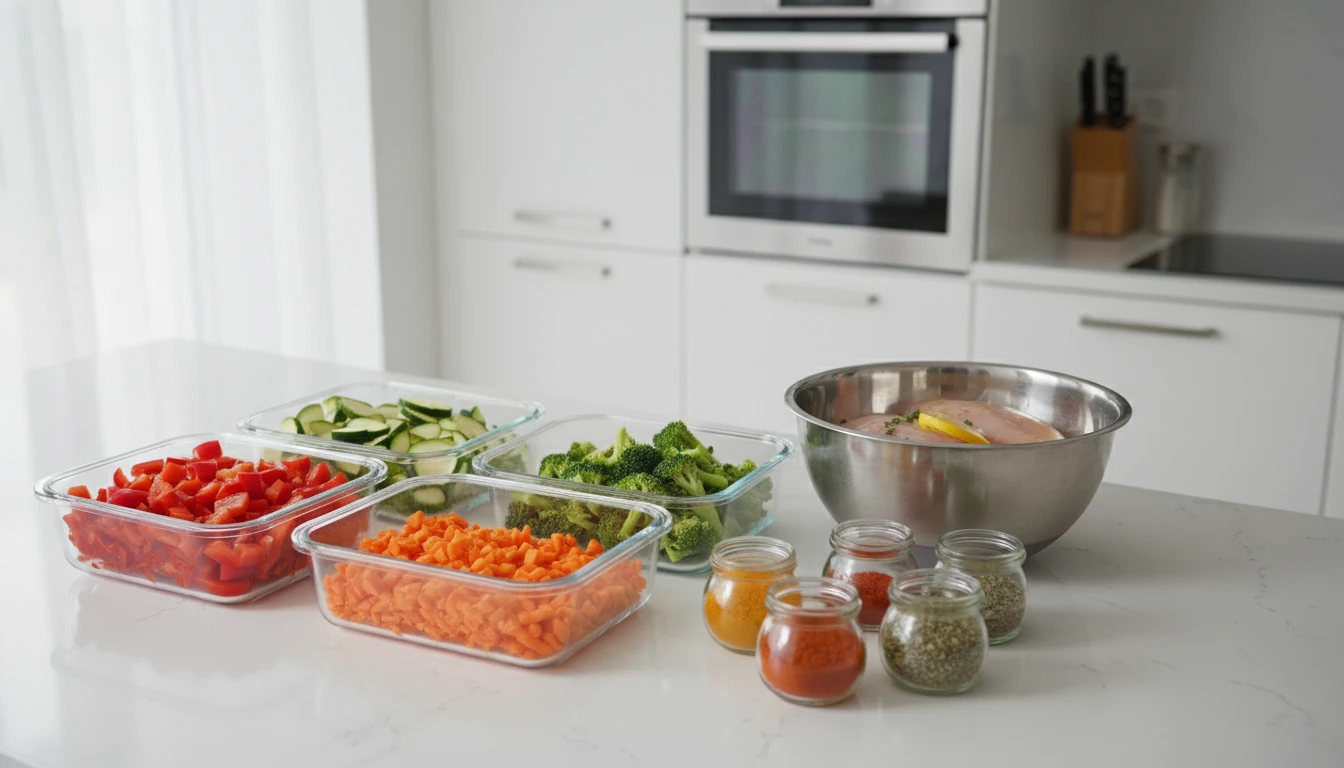
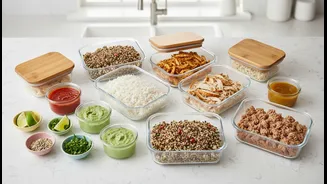
ingredients—or 'bases'—that can be mixed and matched. This means cooking a big pot of grains, a tray of simply seasoned protein, and perhaps a couple of versatile sauces. On a busy Tuesday night, dinner isn't about starting from scratch; it's about assembling these ready-to-go elements in different combinations, which dramatically cuts down on active cooking time while maximizing variety.
Grains and Legumes: Your Neutral Canvas
Grains and legumes are the perfect foundation for countless meals. Cooking a large batch takes time, so doing it once for the whole week is a huge time-saver. Consider making a big pot of brown rice, quinoa, farro, or lentils. Keep the seasoning minimal—perhaps just salt—to maintain neutrality. This allows the grain base to work in a variety of dishes. One night it can be the foundation for a burrito bowl with Mexican spices; the next, it can be tossed with a lemon vinaigrette and fresh vegetables for a Mediterranean salad; and later in the week, it can be the bed for an Asian-inspired stir-fry. Store the cooked grains in an airtight container in the fridge, where they will last for three to five days.
Proteins: The Simple, Adaptable Centrepiece
Like grains, proteins should be cooked simply to allow for maximum versatility. Roasting a whole chicken and shredding the meat is a classic strategy. The shredded chicken can be used in salads, wraps, soups, or pasta dishes throughout the week. Alternatively, you could bake a tray of chicken breasts seasoned only with salt and pepper, or cook a large batch of ground turkey or beef. For plant-based options, baked tofu, hard-boiled eggs, or a big pot of chickpeas or black beans work wonderfully. The key is to avoid strong, specific flavours during the initial cook. You can always add taco seasoning, teriyaki sauce, or Italian herbs later when you're assembling your final dish.
Sauces and Dressings: The Flavour Game-Changers
Sauces are the secret weapon to combat meal-prep boredom. A simple base of chicken and rice can taste wildly different depending on whether it's topped with a peanut sauce, a tomato-herb ragù, or a creamy tahini dressing. Prepping two or three distinct sauces at the beginning of the week is a high-impact strategy. A good tomato sauce can be used for pasta, as a base for shakshuka, or thinned out for a soup. A vibrant pesto can be tossed with pasta, spread on a sandwich, or mixed into a grain bowl. And a simple vinaigrette can dress salads, marinate proteins, or be drizzled over roasted vegetables. These sauces are what tie the neutral bases together and give each meal its unique identity.
Assembling Your Quick Weeknight Meal
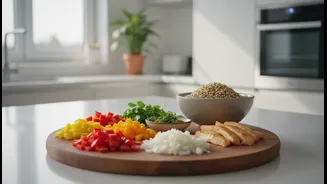
With your components prepped, assembling dinner takes minutes. The formula is simple: pick a base, add a protein, choose a sauce, and finish with fresh or quick-cooking vegetables. For example, you could combine your pre-cooked quinoa with shredded chicken, top it with a peanut sauce, and throw in some fresh chopped cucumber and carrots for a quick grain bowl. The next night, use that same shredded chicken in tortillas with some salsa and avocado for speedy tacos. Or toss the chicken with pasta and your pre-made pesto. This mix-and-match approach, sometimes called the '3-3-2 method' (three proteins, three carbs/veg, two sauces), ensures that even though the core ingredients were batch-cooked, your daily meals are fresh, interesting, and far from repetitive.