

A Return to the Roots
A powerful shift is underway across India's culinary landscape. Driven by a blend of health consciousness, a yearning for authenticity, and culinary curiosity, chefs and home cooks are digging deep into the country's vast pantry. This movement goes beyond
well-known regional dishes; it's about reviving the very building blocks of those cuisines. Ingredients that were sidelined during the Green Revolution, which prioritized high-yield wheat and rice, are now being celebrated for their resilience, nutritional value, and unique flavours. This rediscovery is not just about nostalgia; it’s a conscious choice to embrace biodiversity, support local farmers, and enrich our diets with foods that are intrinsically Indian.
The Mighty Millet Makes a Comeback
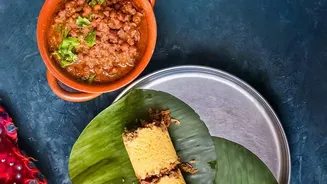
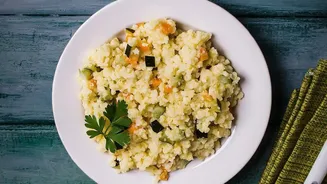
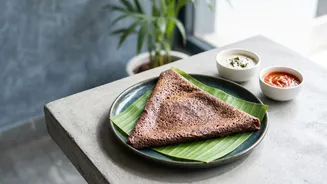
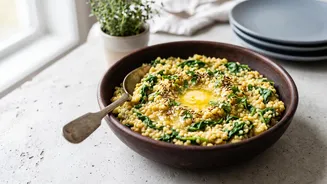
Perhaps the greatest comeback story is that of millets. Grains like ragi (finger millet), jowar (sorghum), and bajra (pearl millet) were once staples across the subcontinent before polished rice and wheat became dominant. Today, their revival is championed by health experts and environmentalists alike. Millets are nutritional powerhouses—often gluten-free, rich in calcium and iron, and with a low glycemic index. They are also climate-smart crops, requiring significantly less water than rice and thriving in arid conditions, which makes them crucial for India's food security. From millet-based biryanis and dosas to even craft beers, these ancient grains are proving their versatility in the modern Indian kitchen.
Beyond the Usual Sabzi Mandi
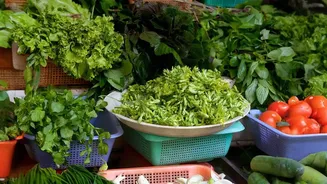
The vegetable basket is also getting a radical makeover. Chefs are exploring a world of produce that rarely appears in mainstream supermarkets. Take for instance the raw jackfruit, a remarkable meat substitute, or moringa leaves (drumstick leaves), now hailed as a superfood for its dense nutrient profile. Edible flowers like the banana blossom, once a common sight in traditional preparations, are being used in innovative ways. Other ingredients making a return include kalpasi, or stone flower, a lichen that gives Chettinad and Maharashtrian dishes a unique smoky aroma, and kokum, a souring agent from the Konkan coast that offers a cleaner, fruitier tang than tamarind. Even parts of produce previously discarded, like jackfruit seeds, are being turned into delicious and nutritious dishes.
The New Culinary Custodians
This revival is not happening by accident. It is being led by a generation of chefs who see themselves as culinary archivists and cultural custodians. They are travelling to remote villages, collaborating with farmers, and learning from elders to document and preserve recipes that were never written down. These chefs are moving away from imported 'gourmet' ingredients and instead championing hyperlocal produce. Platforms like The Locavore are creating entire movements around indigenous food traditions, connecting farmers directly with consumers and chefs to build a more sustainable food system. This focus on ingredient-first cooking is reintroducing a level of diversity and storytelling to Indian fine dining that celebrates the true richness of the land.