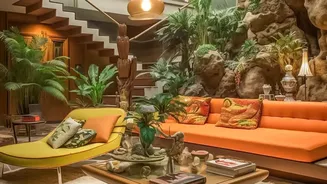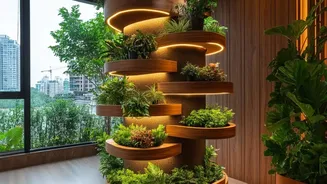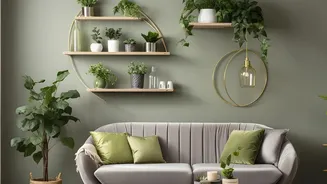






In our bustling urban lives, the craving for a touch of nature has never been stronger. Vertical garden walls offer a stunning solution, turning barren walls into lush, living art pieces that save space and enhance your home's aesthetic.
The Rise of the Living Wall
The concept of
bringing the outdoors in, known as biophilic design, is more than just a fleeting trend; it's a response to our innate need to connect with nature. Living walls are the ultimate expression of this philosophy, providing numerous benefits beyond their visual appeal. Studies have shown that indoor plants can significantly improve air quality by filtering common airborne toxins. Furthermore, the presence of greenery has a proven calming effect, helping to reduce stress, improve mood, and even boost creativity and focus. A vertical garden acts as a natural air purifier and a dynamic piece of art that changes and grows, contributing to a healthier and more serene home environment.
Choosing Your Vertical Garden System
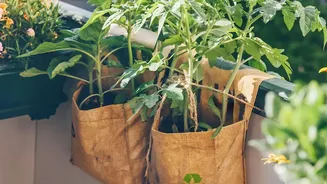
Getting started with a vertical garden is more accessible than ever, with various systems available to suit different spaces and budgets. The most common types in India include pocket planters made of felt or fabric, which are great for beginners. Modular panel systems offer a more integrated, seamless look and can be customised to fit a specific wall size. For a DIY approach, you can repurpose a wooden pallet, an old bookshelf, or even create a grid of wall-mounted pots. Railing planters are perfect for balconies, making use of otherwise empty space. When choosing, consider the weight of the system once it's filled with wet soil and plants, and ensure your wall can support it.
Selecting the Perfect Plants for Indian Homes
The success of your living wall depends heavily on choosing the right plants for your specific conditions. It's crucial to match plants to the amount of light your chosen wall receives. For indoor walls with low to medium light, hardy options like Money Plant (Pothos), Syngonium, Spider Plant, and various Philodendrons are excellent choices as they are forgiving and trail beautifully. Ferns, such as the Boston Fern, thrive in humid, shaded spots, making them ideal for bathrooms or covered balconies. If your wall receives several hours of sunlight, you can create an edible garden with herbs like mint, basil, and ajwain, or even leafy greens. For very sunny, hot balconies, heat-tolerant plants like Portulaca and Vinca (Sadabahar) will flourish.
Integrating Greenery into Your Design
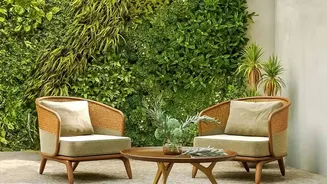
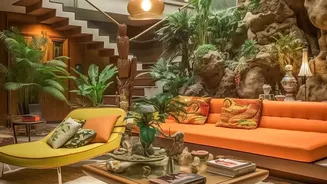
A vertical garden should feel like a natural extension of your home's decor. Consider its placement carefully to maximize impact. A large, lush wall in the living room can serve as a breathtaking focal point, creating a backdrop that is both calming and impressive. In the kitchen, a smaller vertical herb garden is both beautiful and functional, providing fresh ingredients for your meals. You can use a living wall to zone an open-plan space, adding a soft, textured divider. Even a small panel of preserved moss in an entryway can make a powerful design statement with zero maintenance. The key is to choose plants and a system that complements your existing style, whether it's modern and sleek or rustic and bohemian.
Essential Care and Maintenance Tips
While the thought of maintaining a living wall can seem daunting, a few key practices will ensure it thrives. Vertical gardens tend to dry out faster than traditional pots, so consistent watering is crucial. For smaller setups, a watering can with a long spout works well. For larger installations, consider a drip irrigation system to save time and ensure even moisture distribution. Use a light, well-draining potting mix, such as one containing cocopeat and compost, which is lighter than garden soil. Protect the wall behind your garden from moisture with a waterproof barrier. Regularly trim any yellowing leaves and prune plants to encourage fuller growth and prevent them from becoming overcrowded.