


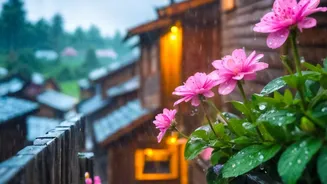
Seating Areas: Crafting Calm and Comfort
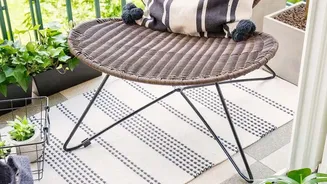
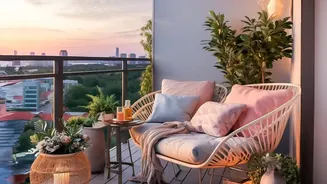
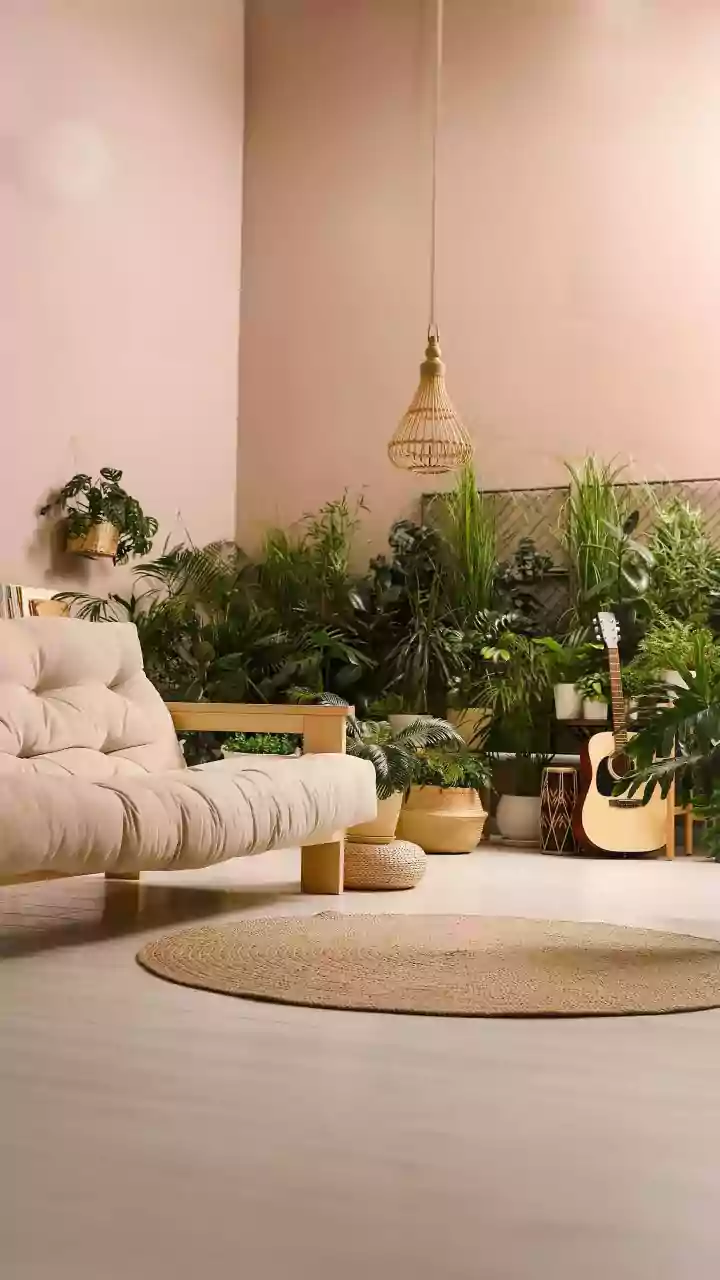
Places where guests sit and relax—be it a garden bench, a patio sofa, or a quiet corner—require a special touch. The goal is to create a serene cocoon, not an overwhelming jungle. Scent is paramount here. Opt for plants with gentle, pleasant fragrances
like lavender, which is known for its calming properties. Brushing against its foliage releases a clean, soothing aroma. Some old garden roses also offer a classic, romantic scent that isn't too overpowering. However, be wary of extremely potent flowers like some Oriental lilies, as their intense perfume can become headache-inducing in a confined space. Consider the perspective of a seated person. Low-growing plants and those with interesting foliage, such as hostas or coral bells, create visual interest at eye level. For allergy sufferers, choose low-pollen options like hydrangeas, snapdragons, or petunias to ensure everyone can breathe easy. Using planters and containers gives you the flexibility to move arrangements around to find the perfect spot.
Food Zones: A Feast for the Eyes
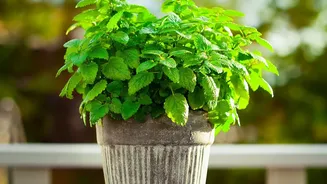
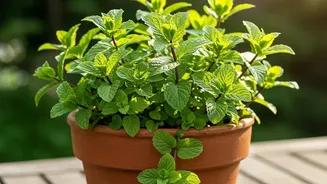
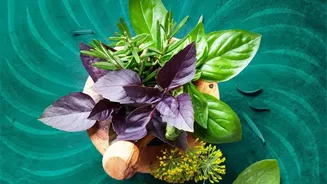
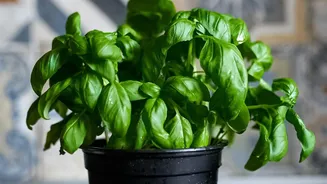
When it comes to areas where food is served and eaten, the rules change. The primary consideration is to avoid conflicts between floral scents and culinary aromas. A powerfully fragrant flower, no matter how lovely, can clash with the smell of a barbecue or a fresh salad. Here, it’s best to focus on visual appeal and practicality. Steer clear of flowers that are major attractions for bees and wasps. While essential for pollination, you don't want them buzzing around your guests' plates. A brilliant alternative is to incorporate edible plants. Pots of herbs like basil, rosemary, and mint not only look beautiful but are also useful. Chives can add a splash of colour and their sulfur compounds may even help suppress mould spores. Ornamental sweet potato vines or compact vegetable varieties like cherry tomatoes and peppers can add lushness and colour without problematic scents or pests. If you do want traditional flowers, choose those with little to no fragrance. It is also critical to avoid placing any toxic plants, such as oleander, daffodils, or peace lilies, near food preparation or dining surfaces to prevent accidental ingestion.
Walking Routes: Guiding with Colour and Form
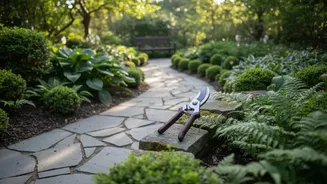
Pathways are the arteries of your outdoor space, and flowers can be used to make the journey a delight. The right plantings can guide guests, create a sense of discovery, and soften the hard edges of stone or gravel. Use repetition to create a sense of rhythm and unity; planting the same flower, like catmint or daylilies, at intervals along a path creates a cohesive look. Varying plant heights adds depth and directs the eye forward. You can use low-growing, spilling plants like sweet alyssum or creeping thyme to soften the edges of the path. Taller plants, such as ornamental grasses or salvia, can be placed further back to create layers. For safety and comfort, avoid thorny plants like certain roses or anything too sprawling that could trip people up. Plants with fragrant foliage, such as scented geraniums or lavender, are excellent choices for walkways, releasing their aroma when brushed against. For evening use, consider adding white flowers like Shasta daisies or certain hostas, which seem to glow at twilight and improve visibility.
Putting It All Together with Pots and Palettes
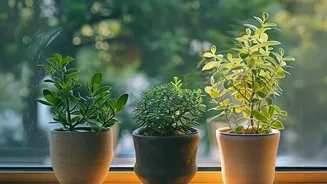
To create a harmonious design, think about your space as a whole. A unified colour palette can tie the different zones together. You don’t need a riot of colour everywhere; sometimes a few well-chosen accent colours are more effective. Using containers is an excellent strategy for control and flexibility. You can group pots of varying sizes together in corners or near doorways to create a lush, generous display. This technique allows you to easily rotate plants with the seasons, swapping spring bulbs for summer annuals and then autumn foliage. The popular "thriller, filler, spiller" method works beautifully in containers: a tall, dramatic plant (the thriller), surrounded by mounding plants (the fillers), with trailing plants cascading over the edge (the spillers). This creates a layered, professional-looking arrangement. By applying these principles, you can arrange flowers in a way that is not just decorative, but also smart, safe, and truly enhances the experience of your outdoor space.