





Prioritise Ventilation and Airflow
The most powerful tool against humidity is cross-ventilation. Mould thrives in stagnant, damp air. Whenever it is not raining, make it a point to open windows and doors on opposite sides of your home for at least 30 minutes a day. This creates a natural
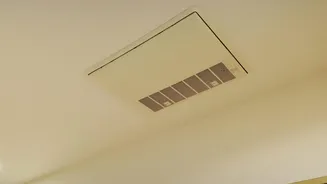
airflow that pushes out the moist, indoor air and replaces it with fresher, drier air. Using exhaust fans in kitchens and bathrooms is also crucial. Run them during and after cooking or showering to expel moisture-laden air directly outside before it can circulate through your home.
Embrace Natural Dehumidifiers
You do not always need an electric appliance to fight moisture. Several common household items are excellent natural dehumidifiers. Place bowls of rock salt or uncooked rice in damp corners, inside wardrobes, or on windowsills. These materials are hygroscopic, meaning they naturally absorb moisture from the air. Another fantastic option is activated charcoal, which not only absorbs humidity but also helps neutralise the musty odours that often accompany it. For a cost-effective solution, you can find charcoal briquettes or bamboo charcoal bags online and in stores. Remember to replace these natural absorbers every few weeks as they become saturated.
Inspect and Seal Any Leaks
Persistent dampness is often a sign of a bigger problem. Before the monsoon truly sets in, or even during a dry spell, thoroughly inspect your home for any potential water entry points. Check for cracks in the walls, gaps around window frames, and signs of seepage on the ceiling or near plumbing fixtures. A small, unnoticed leak can introduce a surprising amount of water into your home, creating a perfect breeding ground for mould. Sealing these gaps with appropriate waterproof sealants or calling a professional for larger repairs is a preventative measure that pays for itself by preventing costly and unhealthy mould infestations down the line.
Manage Your Wardrobes and Linens
Closets and wardrobes are dark, enclosed spaces with limited airflow, making them hotspots for mould and mildew. Avoid packing clothes too tightly; leave some space between items to allow air to circulate. Ensure clothes are completely dry before storing them away. Even a slightly damp garment can introduce enough moisture to cause problems. Placing silica gel packets, camphor balls, or neem leaves inside your cupboards can help absorb excess moisture and act as a natural pest repellent. It is also wise to air out your wardrobes periodically by leaving the doors open on a dry, sunny day.
Let the Sunshine In
Never underestimate the power of sunlight. The sun's rays are a natural disinfectant and dehumidifier. On days when the sun makes an appearance, open your curtains and let as much light in as possible, especially in rooms that tend to feel damp. The warmth helps dry out fabrics and surfaces, while the UV rays can help kill mould spores. Periodically taking out rugs, cushions, and mattresses into a sunny spot for a few hours can also refresh them and prevent the growth of mildew and dust mites.
Keep Surfaces and Floors Dry
Moisture can settle on any cool surface, a process known as condensation. Make it a habit to wipe down windows, mirrors, and tiled floors, especially in the mornings. Pay close attention to your bathroom, wiping the walls and floor after every use. Avoid leaving wet towels or floor mats lying around. Similarly, do not dry clothes indoors if you can avoid it, as the evaporating water significantly increases the overall humidity level in your home. If you must dry laundry inside, place it in a single, well-ventilated room with a fan running to help disperse the moisture.