


The Science of Sitting Stiffness
When you sit for extended periods, your body adapts to that position. The hip flexors, a group of muscles at the front of your hips, remain in a shortened state. Over time, these muscles can become tight and restricted, limiting your range of motion.
This can pull your pelvis forward, leading to discomfort not just in the hips but potentially in your lower back as well. Simultaneously, the opposing muscles, your glutes, become underused and can weaken. This muscular imbalance—tight flexors and weak glutes—is a primary driver of the stiffness and pain many people feel after a long day of sitting. Reduced circulation and joint mobility from the lack of movement further contribute to the problem.
How Stretching Restores Balance
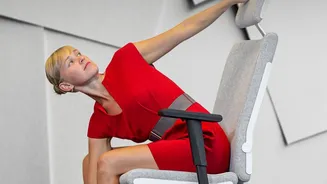
Gentle, consistent stretching is a powerful antidote to the effects of a sedentary lifestyle. By mindfully moving your hips through their full range of motion, you begin to counteract the shortening of the hip flexors. Stretching helps lengthen these tight muscles, reducing tension and promoting better pelvic alignment. It also increases blood flow to your muscles and joints, delivering vital oxygen and nutrients that can ease stiffness and reduce fatigue. Think of it like oil for your joints; stretching helps synovial fluids keep everything moving smoothly. Regular stretching not only improves flexibility but also helps re-engage and strengthen supporting muscles, creating better overall stability and posture.
Gentle Stretch 1: Kneeling Hip Flexor Stretch
This is a classic stretch for targeting the front of the hips. Start by kneeling on a soft surface like a mat or carpet. Step one foot forward so your knee is bent at a 90-degree angle and your foot is flat on the floor, directly under your knee. Keep your torso upright. Gently shift your hips forward until you feel a comfortable stretch in the front of the hip of your back leg. Avoid arching your lower back; instead, think of tucking your pelvis slightly to deepen the stretch. Hold for 20-30 seconds, breathing deeply, and then switch to the other side. This stretch directly counteracts the shortened position your hip flexors are in while sitting.
Gentle Stretch 2: Seated Butterfly Stretch
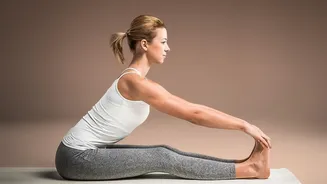
The butterfly stretch is excellent for opening the inner thighs and hips. Sit on the floor and bring the soles of your feet together, letting your knees fall out to the sides. Hold onto your ankles or feet. Sit up tall, lengthening your spine. To begin, you can simply hold this position, allowing gravity to gently stretch your inner hips. To increase the stretch, you can gently press your knees toward the floor with your elbows or lean your torso forward with a flat back. This should feel like a gentle opening, not a painful strain. Hold for 20-30 seconds.
Gentle Stretch 3: Figure-Four Stretch
This stretch targets the outer hip and glute muscles, which can become tight and weak from sitting. Lie on your back with your knees bent and feet flat on the floor. Cross your right ankle over your left thigh, just above the knee, creating a 'figure four' shape. If this is enough of a stretch, stay here. To deepen it, reach through your legs and interlace your fingers behind your left thigh. Gently pull your left leg toward your chest until you feel a stretch in your right glute and hip. Keep your head and shoulders relaxed on the floor. Hold for 30 seconds before switching sides.
The Power of a Daily Habit
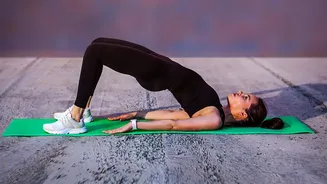
The key to finding lasting relief is consistency. A few minutes of stretching each day is far more effective than one long, infrequent session. Try incorporating these movements into your daily routine. You can do them in the morning to ease overnight stiffness, as a micro-break during your workday, or in the evening to unwind. It's important to listen to your body; a stretch should create a feeling of gentle tension, never sharp pain. Over time, this small daily investment can lead to significant improvements in hip mobility, reduced discomfort, and better overall movement in your daily life.