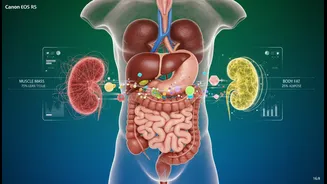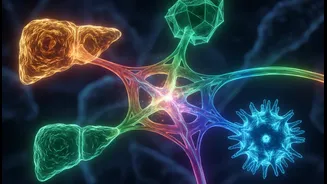





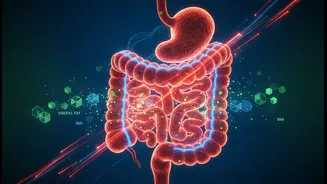



What Exactly Is Organ-To-Organ Messaging?
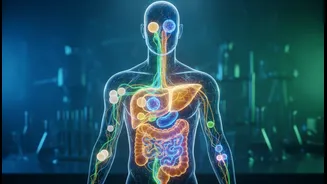
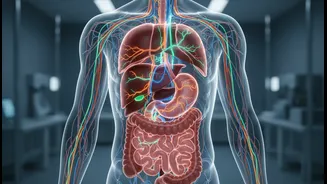
Think of your body as a network of highly specialized departments all working for the same company. For the company to succeed, the departments must communicate. In the body, this communication happens through signaling molecules, including hormones,
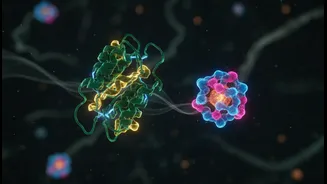
metabolites, and proteins. Organs release these messenger proteins into the bloodstream, which then travel to other organs, bind to specific receptors on cells, and deliver instructions. This process, known as inter-organ communication, is essential for maintaining homeostasis—the stable, balanced internal environment that keeps you healthy. It regulates everything from your energy levels and appetite to how your body responds to exercise or illness.
Why Focus on Fat, Liver, and Immune Cells?
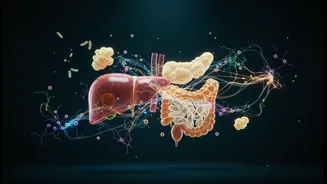
This trio forms a critical hub for managing your body's energy and inflammatory state. The liver is the master metabolic processor, deciding what to do with the nutrients you consume. Adipose tissue, or body fat, isn't just for storage; it's a highly active endocrine organ that releases its own signals. The immune system is the body's surveillance and defense force, but its cells also participate heavily in metabolic conversations. The constant crosstalk between these three players is central to metabolic health. Disruptions in their communication are linked to a wide range of conditions, including metabolic syndrome, type 2 diabetes, and non-alcoholic fatty liver disease (NAFLD).
How Does Fat 'Talk' to Other Organs?
Your fat tissue secretes a diverse group of protein messengers called adipokines. These molecules travel through the blood and influence the brain, liver, muscles, and immune system. Some adipokines are beneficial. Adiponectin, for example, helps improve insulin sensitivity and has anti-inflammatory effects. However, in states of obesity, the profile of secreted adipokines changes. The tissue produces more pro-inflammatory adipokines, such as leptin and resistin, and less of the helpful ones. This shift contributes to the low-grade chronic inflammation often seen in metabolic diseases.
What Is the Liver's Role in This Conversation?
Just like fat tissue, the liver also sends out its own protein signals, known as hepatokines. These messengers play a key role in regulating glucose and lipid metabolism throughout the body. For instance, a hepatokine called fetuin-A has been linked to insulin resistance when its levels are high. The liver acts as both a sender and a receiver of signals, constantly adjusting its functions based on messages it gets from fat, the pancreas (via insulin), and the gut. This makes it a central command center for metabolic balance.
How Does the Immune System Get Involved?
The immune system is deeply intertwined with metabolism. Immune cells reside in both the liver and adipose tissue. When liver or fat cells are stressed—for example, by an excess of fat—they can release signals that call immune cells into action. In a healthy response, this helps clean up damaged cells. But in chronic conditions like fatty liver disease, this process can go awry. Immune cells can become over-activated, releasing a barrage of inflammatory proteins called cytokines, which can worsen liver damage and promote systemic inflammation, further disrupting the communication between organs.
What Happens When This Messaging Goes Wrong?
Faulty communication between the fat, liver, and immune system is a hallmark of modern metabolic diseases. For example, in non-alcoholic fatty liver disease (NAFLD), excess fat in the liver triggers stress signals that promote inflammation. Adipose tissue in obesity sends out pro-inflammatory signals that make the liver and muscles less responsive to insulin. This miscommunication can create a vicious cycle: inflammation from the immune system drives more fat storage in the liver, which in turn causes more cellular stress and more inflammation, contributing to the progression from simple fatty liver to more severe conditions like nonalcoholic steatohepatitis (NASH), fibrosis, and even an increased risk for severe infections.