




Feeling boxed in by your small bedroom? A fresh, functional space doesn't require a shopping trip. The secret is to rethink the layout with what you already own. A few simple shifts can completely transform your room's flow, feel, and function.
Start with a Clean Slate
Before
you move a single piece of furniture, the most impactful first step is to declutter. A small room can quickly feel overwhelmed by items that don't belong or have a proper home. Clear the floor of anything that doesn't need to be there: laundry, shoes, bags, and boxes. The goal is to see your room's true dimensions and create clear pathways. Stand at the door and identify the main traffic routes—to the bed, the closet, and the window. Anything obstructing these paths needs to be moved. You cannot effectively rearrange a cluttered space, so give yourself a clear area to work with. This process alone often reveals how much space you actually have.
Rethink the Bed's Position
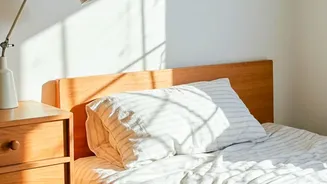
As the largest piece of furniture, the bed's location dictates the entire room's layout. The most common advice is to place it against the center of the wall farthest from the door. This creates a natural focal point and a sense of symmetry, which is calming to the eye. However, this isn't the only option. In a very narrow room, pushing the bed against a wall lengthwise can open up a long, clear walkway. You can also place the bed in a corner. While this can make accessing one side more difficult, it can significantly open up the center of the room, making it feel much larger. Don't be afraid to try positioning the bed under a window, especially if the headboard is low and won't block too much light.
Create Functional Zones
Even a small bedroom serves multiple purposes: sleeping, dressing, and relaxing. Creating distinct zones for these activities will make the room feel more organized and intentional. You don't need physical dividers. Grouping furniture by function is enough. For example, keep your dresser and a full-length mirror together to create a 'dressing zone'. If you have an armchair, place it near a small table and a lamp to form a reading nook. By consolidating activities, you prevent items from scattering and make the layout feel more purposeful. This strategy helps contain clutter and makes the room feel less like one crowded space and more like a series of small, functional areas.
Maximize Light and Air
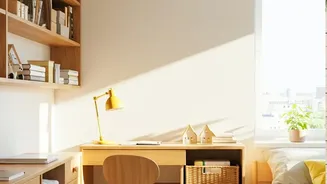
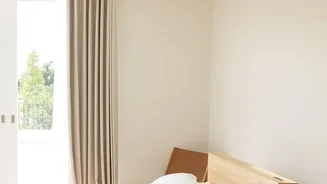
Natural light is your best tool for making a space feel bigger. Rearrange your furniture to ensure no large pieces are blocking the windows. If you must place something in front of a window, make sure it's a low-profile item like a bench or a small desk. Mirrors are another classic trick for a reason: they work. Placing a large mirror opposite a window will reflect light and the view, creating an illusion of depth and doubling the amount of light in the room. To enhance the feeling of height, hang curtains as close to the ceiling as possible and let them fall to the floor. This simple change draws the eye upward, making the ceiling feel higher.
Think Vertically, Not Horizontally
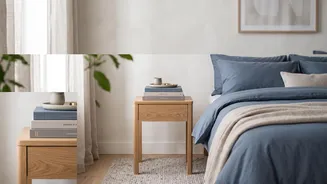
When floor space is limited, the only way to go is up. Look at your existing furniture and see how it can be used to emphasize vertical space. For instance, can you place a tall, narrow bookshelf where a wide, short one currently sits? Even without buying new pieces, you can make changes. Instead of a wide table lamp on your nightstand, consider if you can swap it for a more slender one to free up surface area. Clear off the tops of your dressers and nightstands, keeping only a few essential items. The less visual clutter you have at eye level, the more open and calming the room will feel. The goal is to draw the eye upward, which gives the impression of a larger, more airy space.