


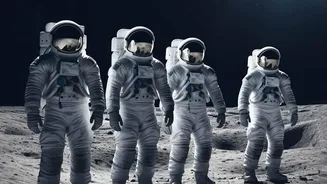

A New Space Race Fueled by Commerce
The dream of living and working on the Moon is being revitalized, but this time, it's not solely a government-led endeavor. NASA's Artemis program, which aims to establish a long-term human presence on the Moon, is built on a foundation of public-private
partnerships. The core idea is to foster a robust lunar economy where government agencies like NASA are just one of many customers. This model accelerates innovation by tapping into the agility and competitive drive of the private sector. Instead of managing every detail, NASA is setting the destination and inviting companies to offer solutions, creating a new frontier for business that extends far beyond Earth. This shift has unlocked billions of dollars in contracts and spurred a wave of investment in space technology.
The Ultimate Delivery Service
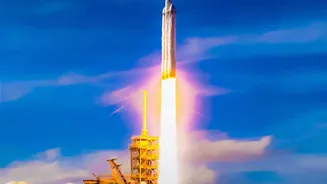
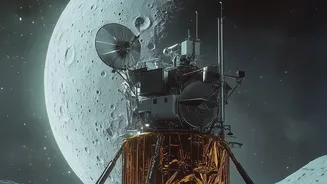
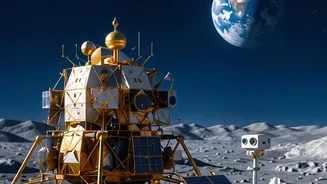
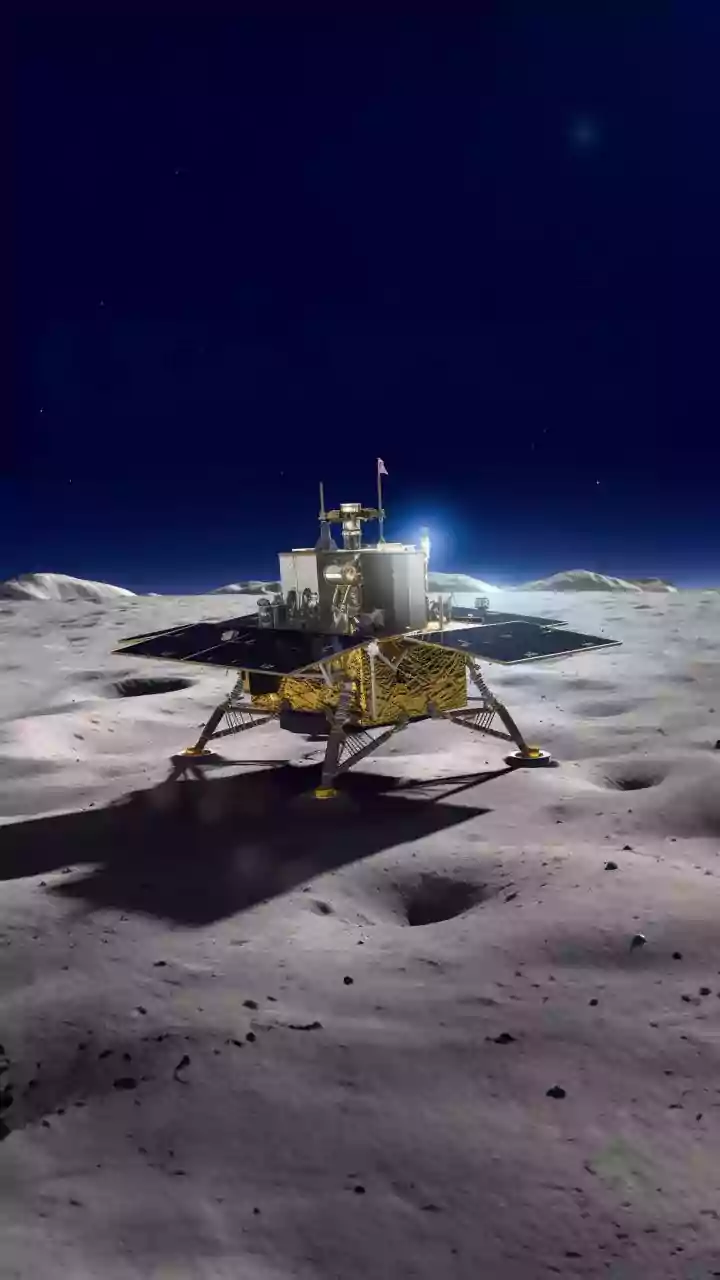
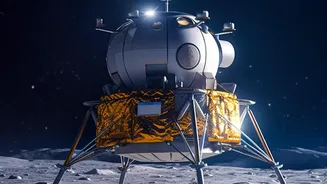
Before any infrastructure can be built, the tools, supplies, and scientific instruments need to get there. This is where the first major commercial opportunity lies: logistics. Through its Commercial Lunar Payload Services (CLPS) initiative, NASA awards fixed-price contracts to American companies to deliver cargo to the lunar surface. Companies like Intuitive Machines and Firefly Aerospace are among those tasked with these deliveries, essentially acting as a celestial postal service. Beyond these smaller landers, heavy-hitters like SpaceX and Blue Origin are developing large-scale human landing systems capable of transporting astronauts and significant cargo, which are critical for building an eventual lunar base. This transportation network is the foundational layer upon which the entire lunar economy will be built, with one report estimating it could become a $206 billion market.
Powering a Lunar Settlement
A permanent base needs a reliable power source, a significant challenge given the Moon's two-week-long nights. This has created a demand for innovative energy solutions, and commercial companies are stepping up. The development of lunar power grids is a top priority, with concepts ranging from vertical solar arrays that can catch sunlight for longer periods to small-scale nuclear fission reactors. These systems must be durable enough to withstand the harsh lunar environment, including extreme temperature swings and abrasive moon dust. Power is a fundamental utility; without it, rovers can't rove, habitats can't sustain life, and industrial processes like resource extraction are impossible. Companies that can solve the lunar power problem will be powering the entire off-world economy.
Homes, Roads, and Communication
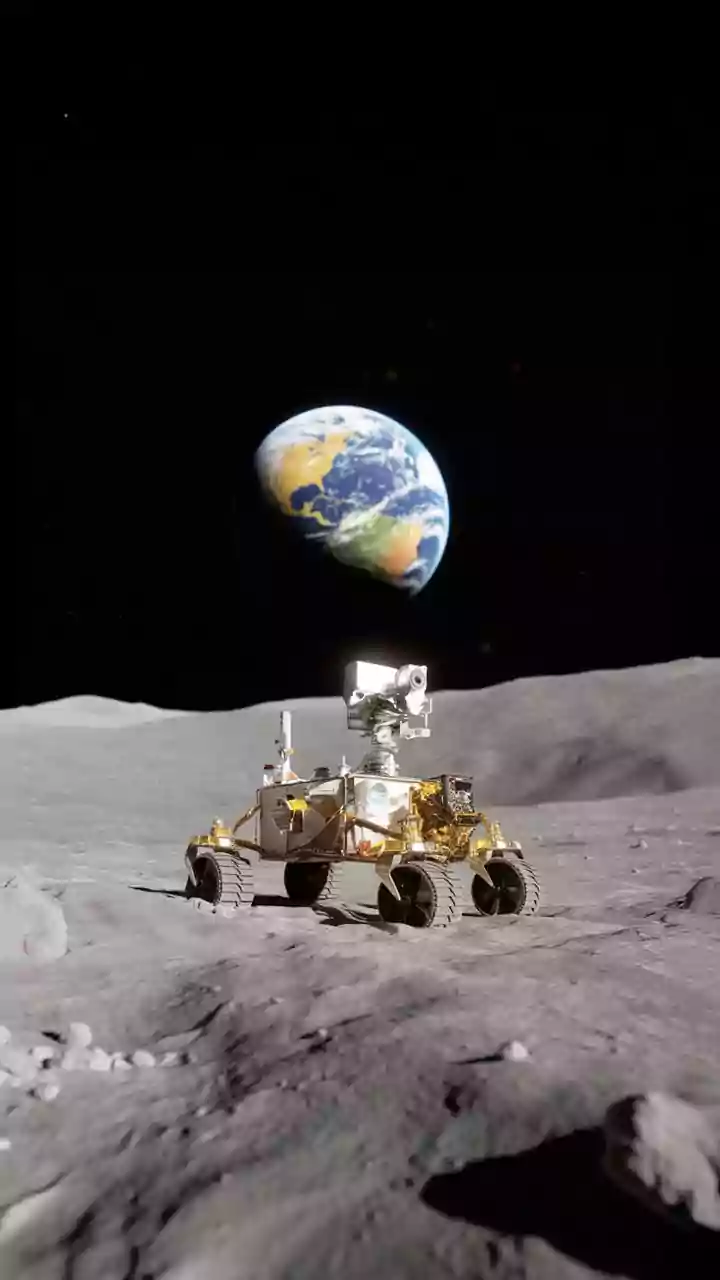
Once power and delivery are established, the focus shifts to construction and connectivity. Private firms are designing everything from habitation modules to the roads—or landing pads—that will connect them. Some companies are developing technologies to 3D print structures using lunar regolith (moon dust), which would dramatically reduce the amount of material that needs to be launched from Earth. Others, like Lunar Outpost and Astrolab, are building the next generation of lunar rovers that astronauts will use to travel across the surface. Just as crucial is the need for a dedicated lunar communications and navigation network, a sort of 'GPS for the Moon' that would allow rovers, astronauts, and autonomous systems to operate safely and efficiently. Companies are already competing to build out these essential services, laying the groundwork for a truly connected lunar outpost.
The Long-Term Economic Vision
The involvement of commercial companies is not just about supporting government missions; it's about creating a self-sustaining economy. The infrastructure being built today could one day support industries like lunar tourism, resource mining for materials like Helium-3, and in-situ resource utilization (ISRU), where resources like water ice are harvested and converted into rocket propellant or breathable air. This could turn the Moon into a strategic refueling station for missions deeper into the solar system, including Mars. While significant challenges remain—from the extreme environment to the high cost of initial investment—the framework is in place. By acting as a reliable anchor customer, NASA is helping to bridge the gap until these future markets become commercially viable on their own.