






What is a Redeveloped Property?
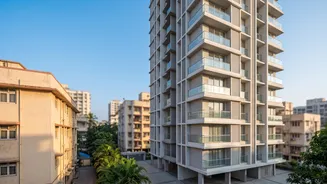
In cities like Mumbai, Delhi, and Pune, where space is scarce, redevelopment is a common sight. It's the process of demolishing an old, often dilapidated, building and constructing a new, modern one in its place. The original residents of the co-operative
housing society are given new flats in the new building, usually free of cost and sometimes with a larger area. The developer makes their profit by constructing and selling additional flats created from the permissible Floor Space Index (FSI). As a first-time buyer, you would be purchasing one of these 'free-sale' flats from the developer.
The Allure: Prime Location and Modern Living
The single biggest advantage of a redeveloped flat is getting a brand-new home in an established, prime location. These projects are typically in mature neighbourhoods with ready infrastructure like schools, hospitals, markets, and public transport. Unlike new constructions which are often on the city's periphery, a redeveloped property allows you to stay connected to the city's heart. Furthermore, the new building comes with modern amenities that older buildings lack, such as high-speed elevators, dedicated parking, robust security systems, gyms, and community spaces, offering a significantly upgraded lifestyle.
The Legal Maze: A Different Set of Documents
This is where a redeveloped flat differs significantly from a standard resale or new flat. While a regular purchase involves a straightforward Sale Deed, buying into a redevelopment project is more complex. You need to scrutinise the Development Agreement between the society and the builder, which outlines the entire project's terms. Your purchase might involve a tripartite agreement. It is also critical to verify the property's title is clear and that the project is registered under the Real Estate (Regulation and Development) Act, 2016 (RERA). The builder's RERA registration details, project timeline, and approvals should be publicly available on the state RERA website.
Weighing the Financials: Loans and Other Costs
Getting a home loan for a redeveloped property can sometimes be more challenging than for a standard one, especially if the project is under construction. Banks are cautious and will conduct thorough due diligence on the developer's credibility and the project's legal clearances before sanctioning a loan. In some cases where an original flat owner had an existing loan, the developer may need to provide undertakings to the bank to allow the redevelopment to proceed. While you might get a good price in a prime location, remember that the new building will have higher maintenance costs to support the modern amenities.
Understanding the Risks: Delays and Disputes
Redevelopment projects are notorious for delays. These can be caused by regulatory hurdles, disputes between the society and the developer, or the developer facing financial issues. As a buyer of a free-sale flat, these delays can be stressful and financially draining, especially if you are paying both rent and EMIs. RERA offers some protection by mandating project timelines and imposing penalties for delays, but the process can be long. The biggest risk is a developer abandoning the project, which can lead to lengthy legal battles. This makes checking the developer's track record and financial stability absolutely essential.
Your Pre-Purchase Checklist
Before you commit, do your homework. First, verify the project's RERA registration number and check all details on the official RERA website. Insist on seeing the title report to ensure the land is free of any legal claims or mortgages. Examine the Development Agreement, the approved building plans, and the Commencement Certificate (CC) from the municipal corporation. Research the developer's history—have they completed similar projects on time? Talk to residents of their previous projects if possible. Finally, have a lawyer vet all documents, including your Allotment Letter and the eventual Sale Agreement, to ensure your rights are fully protected.