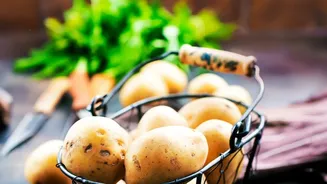




We’ve all been there: you reach into the pantry for a potato and find it has developed an unappetizing green tinge. This common occurrence is more than just a cosmetic issue; it's a signal that your spuds have been creating a natural toxin.
What That Green Hue Really Means
First, the
good news: the green color itself is not the toxin. It's chlorophyll, the same harmless pigment that gives spinach and broccoli their color. However, its presence is a crucial warning sign. Potatoes are tubers that grow underground, away from light. When they are exposed to sunlight or even artificial light in your kitchen, they begin to produce chlorophyll. This process indicates that the conditions are also perfect for the production of a far less benign compound: solanine.
Meet Solanine: The Potato's Natural Defense
Solanine is a type of glycoalkaloid, a chemical compound that certain plants, including those in the nightshade family like potatoes and tomatoes, produce as a natural defense. It acts as a built-in pesticide, protecting the plant from insects, diseases, and hungry animals. While beneficial for the potato, this compound can be toxic to humans if ingested in large quantities. The highest concentrations of solanine are typically found in the potato's skin, sprouts (or 'eyes'), and any green-tinted flesh just beneath the peel.
The Risks of Solanine Exposure
Fortunately, serious solanine poisoning is rare, as modern potato varieties are bred for low solanine content and a person would have to eat a large quantity of very green potatoes to fall seriously ill. Furthermore, solanine has a distinctly bitter taste that usually discourages people from eating enough to cause harm. Symptoms of mild poisoning are primarily gastrointestinal and can include nausea, vomiting, stomach cramps, and diarrhea. In more severe, though very uncommon cases, neurological symptoms like headaches, dizziness, and fever can occur.
The Science of Smart Storage
Preventing solanine buildup is straightforward and relies on controlling two key factors: light and temperature. Light is the primary trigger for both chlorophyll and solanine production. Keeping potatoes in complete darkness effectively halts this process. Temperature is also critical. While warmth encourages sprouting and greening, storing potatoes in a refrigerator is also not ideal. Cold temperatures can cause the potato's starches to convert into sugars, which can affect the taste and cause them to darken undesirably when cooked. The sweet spot is a cool, but not cold, location.
Your Ultimate Potato Storage Guide
To keep your potatoes fresh and safe, aim for a storage environment that mimics their natural underground home. The ideal temperature is between 45 and 50 degrees Fahrenheit. For most homes, a cool, dark place like a basement, root cellar, or a low kitchen cupboard away from appliances works well. Store them in a ventilated container, such as a paper bag, mesh bag, or a basket, to allow for good air circulation and prevent moisture buildup, which can lead to rot. Never wash potatoes before storing them, as dampness promotes spoilage. Finally, keep them away from onions; the gases emitted by onions can accelerate sprouting in potatoes.
Green Potato Triage: To Eat or Not to Eat?
If you do find a potato with some green on it, you don't always have to throw it out. For potatoes with only small green spots, you can simply peel the skin and then generously cut away all the greenstinted flesh. Since most of the solanine is concentrated in and just under the skin, this will remove the majority of the compound. However, if the potato is extensively green, has sprouted significantly, or tastes bitter after being cooked, it is safest to discard it. Never eat the sprouts, and when in doubt, it's always better to be safe and toss the tuber.