








What Is Intermittent Fasting, Really?
Before starting, it's crucial to understand what intermittent fasting (IF) is—and isn't. It's not a diet that dictates what you eat, but an eating pattern that dictates when you eat. Popular methods include the 16/8 method (fasting for 16 hours and eating within
an 8-hour window), the 5:2 diet (eating normally for five days a week and restricting calories on two non-consecutive days), and alternate-day fasting. Each has different levels of intensity. The 16/8 method is often considered the most sustainable for beginners. It’s not a magic bullet but one of many lifestyle strategies that might improve health if it fits your life.
Why Am I Really Doing This?
Your motivation is a key predictor of success. Are you hoping for weight loss, improved metabolic health, or simply a more structured eating routine? While some studies suggest benefits like weight loss and better blood pressure, the long-term evidence is still developing. However, if your motivation stems from body dissatisfaction, IF can be a risky path. Research shows that dieting is a significant risk factor for developing disordered eating behaviours. Being honest about your 'why' helps determine if IF is a healthy choice for you or a potentially harmful one.
Does This Truly Fit My Lifestyle?
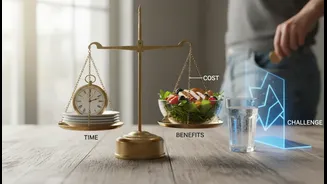
A plan that works for a fitness influencer might not work for a shift worker or a busy parent. Look at your daily routine honestly. When are your peak energy needs? When do you have family meals? A successful IF plan should reduce friction, not add it. Don’t force a schedule that creates constant conflict with your work, family, or sleep. If fasting disrupts your sleep, for example, it may undermine any potential benefits. The best diet is one you can stick to long-term, so choose a fasting window that aligns with your life, not against it.
How Will I Handle Social Situations?
Social gatherings are a major hurdle for many people practicing IF. Dinners, parties, and family events often fall outside typical eating windows. Planning ahead is key. You can adjust your eating window for the day, scheduling it later to accommodate a dinner. Alternatively, you can suggest social activities that don't revolve around food, like a walk or a game night. Remember that flexibility is not failure. An all-or-nothing approach often leads to abandoning the plan altogether, whereas allowing for occasional, planned adjustments makes it more sustainable.
Am I Becoming Too Obsessed?
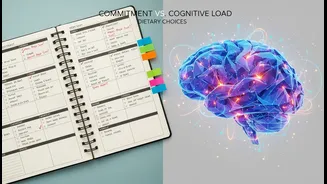
There's a fine line between discipline and obsession. While IF is not an eating disorder by definition, its restrictive nature can trigger or mask disordered eating patterns for some. Warning signs include a persistent preoccupation with your fasting window, intense guilt or shame after breaking a fast, and withdrawing from social events to avoid eating. If you find yourself making increasingly rigid rules, experiencing a binge-restrict cycle, or feeling constant anxiety around food, it’s a red flag. This indicates the mental load has become too heavy and the practice may be harming your mental health.
What Does Sustainable Success Look Like?
Long-term success with intermittent fasting isn't about perfection; it's about consistency and well-being. It means finding a rhythm that gives you energy and doesn't drain your mental or social life. It involves listening to your body's signals of hunger and fullness, rather than just the clock. Success is also about focusing on nutrient-dense foods during your eating window, not just counting down the hours. Remember, IF is just a tool, not an identity. If the effort of maintaining the schedule outweighs the benefits you feel, it may not be the right tool for you.