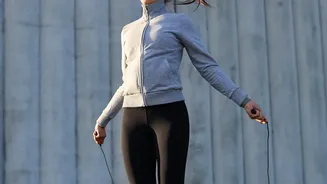



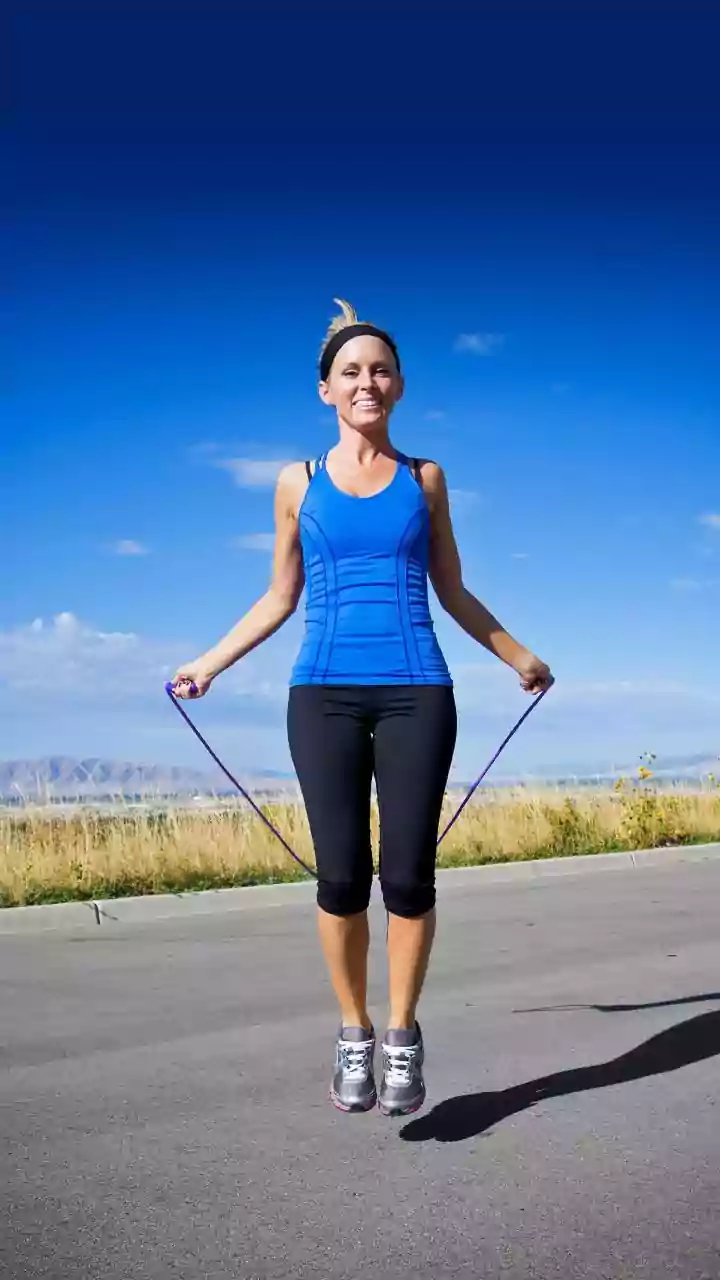



Looking for a workout that is powerful, portable, and incredibly effective? The humble jump rope, often remembered as a playground toy, is one of the most efficient and accessible pieces of exercise equipment you can own.
An All-in-One Workout
Don't let its simplicity fool
you; jumping rope is a fitness powerhouse. It provides a full-body workout that engages multiple muscle groups at once, including your calves, glutes, shoulders, and arms. The main advantage is its incredible cardiovascular benefit. Jumping rope elevates your heart rate quickly, making it a highly effective way to improve heart health and boost your stamina. In fact, some studies suggest that just ten minutes of daily rope jumping can provide similar cardiovascular improvements to 30 minutes of jogging. It's also a fantastic tool for burning calories, with some estimates suggesting you can burn between 200 and 300 calories in just 15 minutes. Beyond cardio and calorie burn, it enhances coordination, balance, and agility as it forces your hands, feet, and eyes to work in sync. The repetitive, low-impact stress on your bones can also help improve bone density, which is crucial for long-term health.
Finding the Perfect Rope
Choosing the right jump rope can make a significant difference in your training. For beginners, a slightly heavier rope, often called a weighted or beaded rope, can be beneficial because it provides more feedback, making it easier to feel the rotation and learn the timing. As you progress, you might switch to a lighter 'speed rope' for faster work. The most critical factor, however, is length. An improperly sized rope is a common reason for tripping and frustration. To find your ideal length, stand on the middle of the rope with one foot. The handles should reach your armpit or just below. If the handles extend much higher, the rope is too long and will hit the ground inefficiently. If they don't reach, it's too short and will clip your feet. Many modern ropes are adjustable, allowing you to fine-tune the length for a perfect fit.
Mastering the Basic Jump
Proper form is key to an effective and safe workout. Stand with your back straight and your chest up. Keep your elbows close to your body and your hands positioned slightly in front of your hips. The rotation should come from your wrists, not your shoulders or arms. This small, efficient movement is what propels the rope. As you jump, aim for only an inch or two of height—just enough to clear the rope. Jumping too high wastes energy and increases impact on your joints. Land softly on the balls of your feet with a slight bend in your knees to absorb the shock. Your heels should not touch the ground. Focus on maintaining a steady rhythm and remember that it's a skill that takes practice. Don't be discouraged if you trip up often at first.
A Simple Starter Workout
Once you're comfortable with the basic form, you can start incorporating jump rope into a workout routine. A great way for beginners to start is with interval training. This allows you to build endurance without getting overly fatigued. Try this simple routine to begin: warm up with some light jogging in place and dynamic stretches. Then, perform 30 seconds of basic jump rope, followed by 30–60 seconds of rest. Repeat this cycle 8–10 times for a quick and effective session. As you get more comfortable, you can increase the work time and decrease the rest time. You can also mix in other exercises like squats or pushups during your rest periods for a more comprehensive workout. The key is to start slow, listen to your body, and gradually increase the intensity as your fitness improves.