







The Nation Under a Wet Spell
The India Meteorological Department (IMD) has forecast an active and intense monsoon period for the coming days. As of August 6, heavy to very heavy rainfall is expected to lash large parts of the country, including North, East, Central, and South India.
Popular monsoon destinations in states like Uttarakhand, Himachal Pradesh, Goa, Maharashtra, Kerala, and Karnataka are all under alert. Specifically, regions such as the Konkan coast and Goa could see very heavy rainfall, while Uttarakhand is also braced for intense spells. Heavy showers are also predicted for parts of Tamil Nadu, particularly in the Western Ghats region, as well as Delhi, Haryana, and Uttar Pradesh. This widespread weather pattern means that travel plans to many parts of the country could be affected by waterlogging, landslides, and transport disruptions.
The Traveller's Monsoon Dilemma
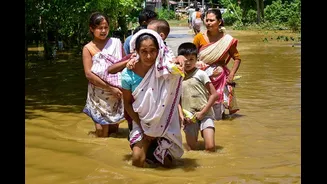
For travellers, these forecasts create a significant dilemma. A non-refundable flight or hotel booking made weeks in advance can turn into a complete financial loss if the trip becomes unsafe or impossible. The risks are not just about a cancelled flight; they extend to ground realities. Heavy rains can lead to flooded roads, making it difficult to even reach the airport or a resort. Train services are also frequently cancelled or diverted due to track flooding or landslides, as seen in regions like Assam and along the Western Ghats. A last-minute cancellation often means forfeiting the entire amount paid, turning a much-awaited holiday into a source of financial stress. This is precisely why understanding and opting for flexible booking options has become more critical than ever during the monsoon season.
Decoding 'Flexible' Travel Bookings
The term 'flexible booking' can mean different things, so it's crucial to read the fine print. Generally, it allows you to change your travel dates without incurring hefty penalties. Many airlines now offer 'Flexi' or 'Plus' fare categories. These tickets cost slightly more than the basic fare but often include benefits like one or more free date changes. For example, some airlines offer unlimited free rescheduling up to three days before departure, though a fare difference may still apply. For hotels, flexibility usually comes in the form of a 'free cancellation' policy, which allows you to cancel your booking without charge up to a certain date, typically 24 to 72 hours before check-in. Booking portals often have filters that let you specifically search for properties with these policies, giving you an essential safety net.
Your Rights During Weather Disruptions
Even without a flexible ticket, passengers have rights. According to Directorate General of Civil Aviation (DGCA) regulations, heavy rain is considered a 'force majeure' event, meaning airlines aren't required to pay extra monetary compensation for cancellations. However, they are still obligated to offer you a choice: a full refund of your ticket fare or an alternative flight. This applies even if you booked through a travel agent. For significant delays, airlines may also be required to provide meals, refreshments, and even hotel accommodation for overnight waits. To claim a refund for a cancelled flight, you should contact the airline directly or the travel portal you booked through.
A Smart Strategy for Monsoon Travel
To navigate the unpredictable weather, a few strategies can help. First, when booking flights, consider opting for fare classes that explicitly state flexibility, such as 'Flex' or 'Value' options from carriers like Air India or 'Flexi Plus' from others. Second, prioritise hotels that offer free cancellation until just a few days before your stay. Third, consider booking flights that depart early in the day. Thunderstorm activity often builds in the afternoon and evening, and morning flights are less likely to be affected by cascading delays from earlier in the day. Finally, always check your flight status before leaving for the airport, especially on a day with a heavy rain forecast.
The Role of Travel Insurance
For an added layer of security, travel insurance can be a worthwhile investment. A comprehensive policy can cover non-refundable costs if your trip is cancelled or interrupted due to severe weather. This is particularly useful for covering expenses that airlines or hotels won't refund. Some insurance plans specifically cover losses from weather-related events like floods and landslides. With policies covering trip cancellation, medical emergencies, and travel delays, insurance provides a financial cushion and peace of mind, allowing you to plan your trip with more confidence.