





Embrace the Urban Challenge
The biggest hurdles for any city-based astronomer are light pollution and atmospheric haze. The glow from streetlights, buildings, and vehicles creates a bright canvas that washes out fainter stars. But don't be discouraged. Planets are one of the few
celestial targets that can punch through this urban glow. Unlike distant stars, planets in our solar system are relatively close and incredibly bright, making them prime targets for city viewing. The key is to manage expectations and know what to look for. You won't see a NASA-quality image, but you will see the real thing, live and in person.
Location and Timing are Everything
Your viewing spot matters. A rooftop or a balcony with a clear, unobstructed view of the sky is ideal. Try to find a spot that is shielded from direct streetlights. Even turning off the lights in your own home can make a significant difference. Your eyes need about 20 to 30 minutes to adapt to the darkness, a process called dark adaptation. Resisting the urge to look at your bright phone screen during this time is crucial, as a single flash of white light can reset your night vision. The best viewing times are often just after dusk or before dawn, when some planets are at their brightest. Generally, the clearest skies across most of India are found from October to March, outside of the monsoon season.
Planet or Star? The Twinkle Test
The simplest way to tell a planet from a star is to see if it twinkles. Stars, being incredibly distant points of light, have their light distorted by the Earth's atmosphere, which makes them appear to shimmer or twinkle. Planets are much closer and appear as tiny discs. Their reflected light is more stable and shines with a steady, unwavering glow. Planets also tend to be brighter than most stars. Venus, often called the "Morning Star" or "Evening Star," is the brightest object in the sky after the sun and moon. Jupiter is also exceptionally bright. Mars can be identified by its distinct reddish hue.
Know Your Targets: The Naked-Eye Planets
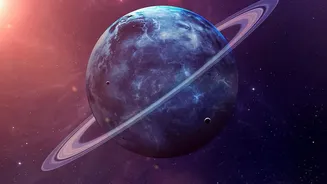
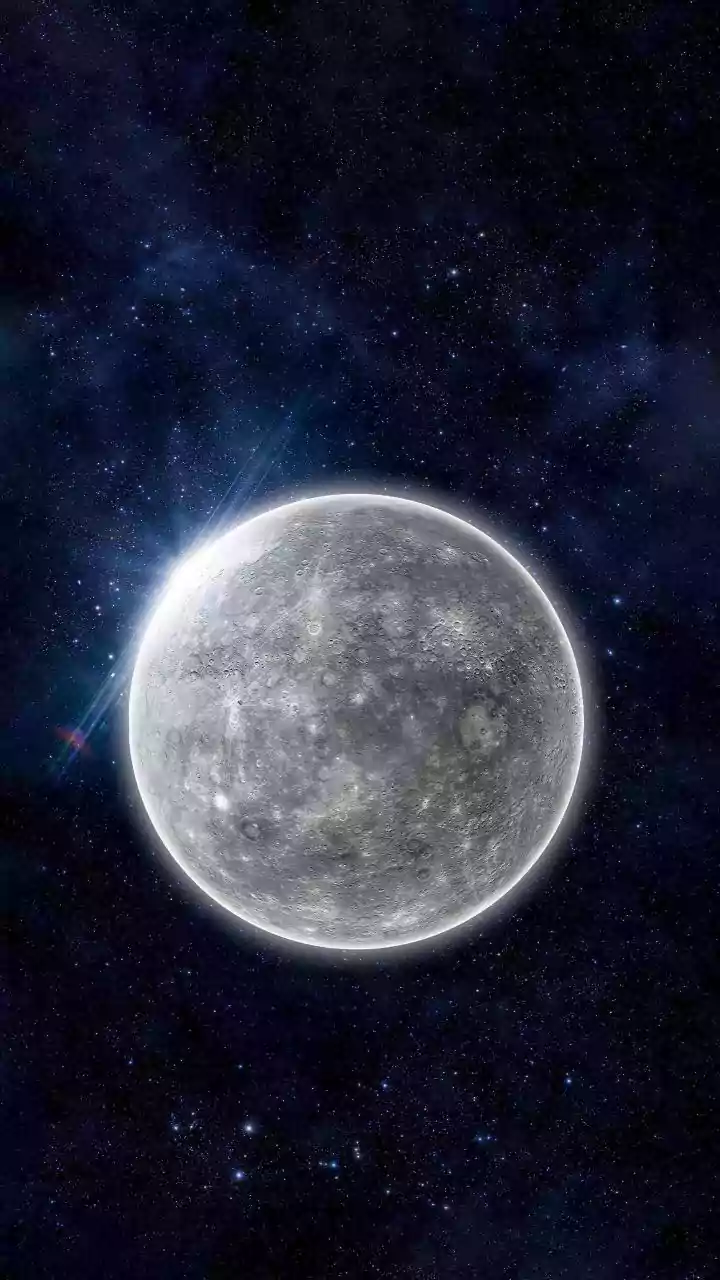
Five planets are regularly visible to the naked eye: Mercury, Venus, Mars, Jupiter, and Saturn. They all travel along a similar path in the sky known as the ecliptic, which is the same general path the sun and moon follow. Venus and Jupiter are the easiest to spot due to their brilliance. Saturn has a calmer, golden glow, while Mars is noticeably red. Mercury is the trickiest, as it stays very close to the sun and is only visible for a short time during twilight. You don't need to see all of them on one night; spotting even one bright planet like Jupiter can be a deeply rewarding experience.
Your Digital Guide to the Cosmos
A smartphone is the urban astronomer's best friend. There are numerous stargazing apps that use your phone's GPS and compass to create a real-time map of the sky. Simply point your phone at a bright object, and the app will identify it for you. Apps like Stellarium, SkyView, and Star Walk 2 are excellent for beginners. They can show you the names of stars, trace out constellations, and tell you exactly which planets are visible from your location at any given time. Many even have augmented reality (AR) features that overlay information directly onto your camera's view of the sky.
To Telescope or Not to Telescope?
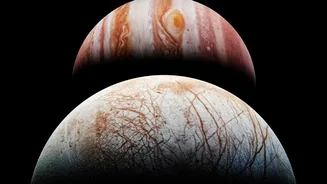
You don't need a telescope to start spotting planets. In fact, it's better to begin with just your eyes and a good app to familiarise yourself with the sky. The next step up would be a simple pair of binoculars. Even a basic set will allow you to see more detail, such as the four largest moons of Jupiter, which appear as tiny dots of light flanking the planet. If you get truly hooked, you might consider a beginner telescope. Models from brands like Celestron or Orion are popular in India. A small telescope can reveal breathtaking details like the rings of Saturn, turning a bright dot in the sky into a whole other world.