

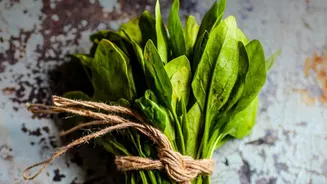
Deep in the forests of Central India, a quiet culinary revolution is taking place. Ancient greens, foraged for generations by tribal communities, are now stepping into the spotlight, hailed as the superfoods of tomorrow. But what is behind this revival?
The Forest's Hidden Pantry
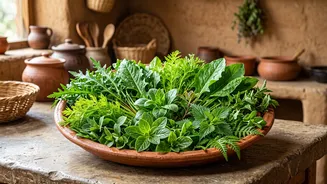
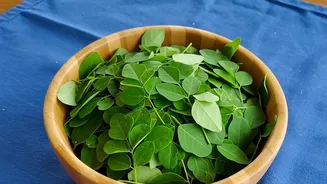
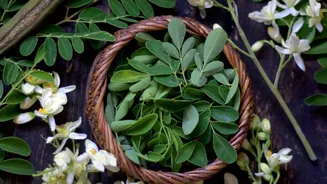
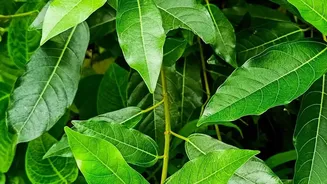
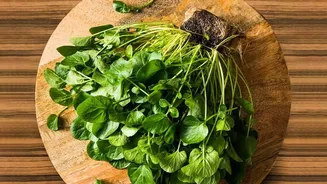
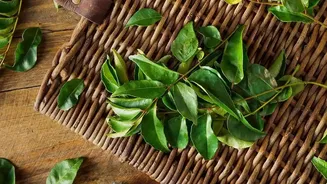
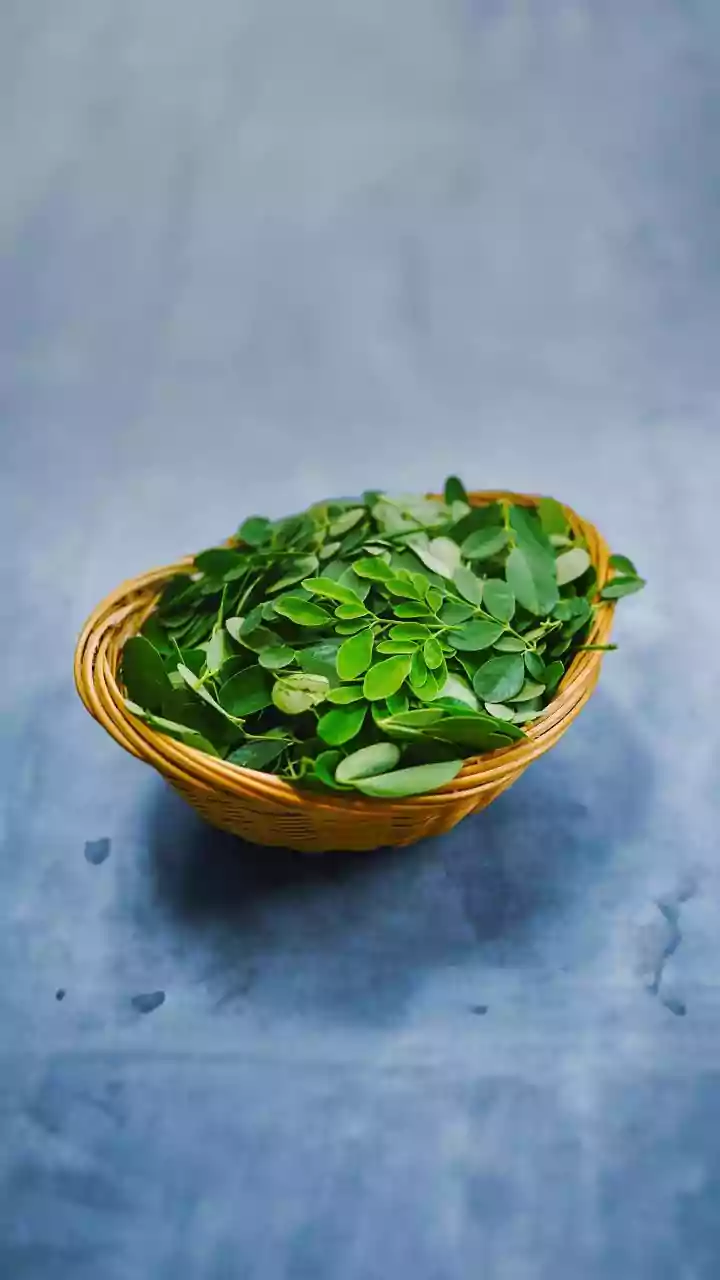
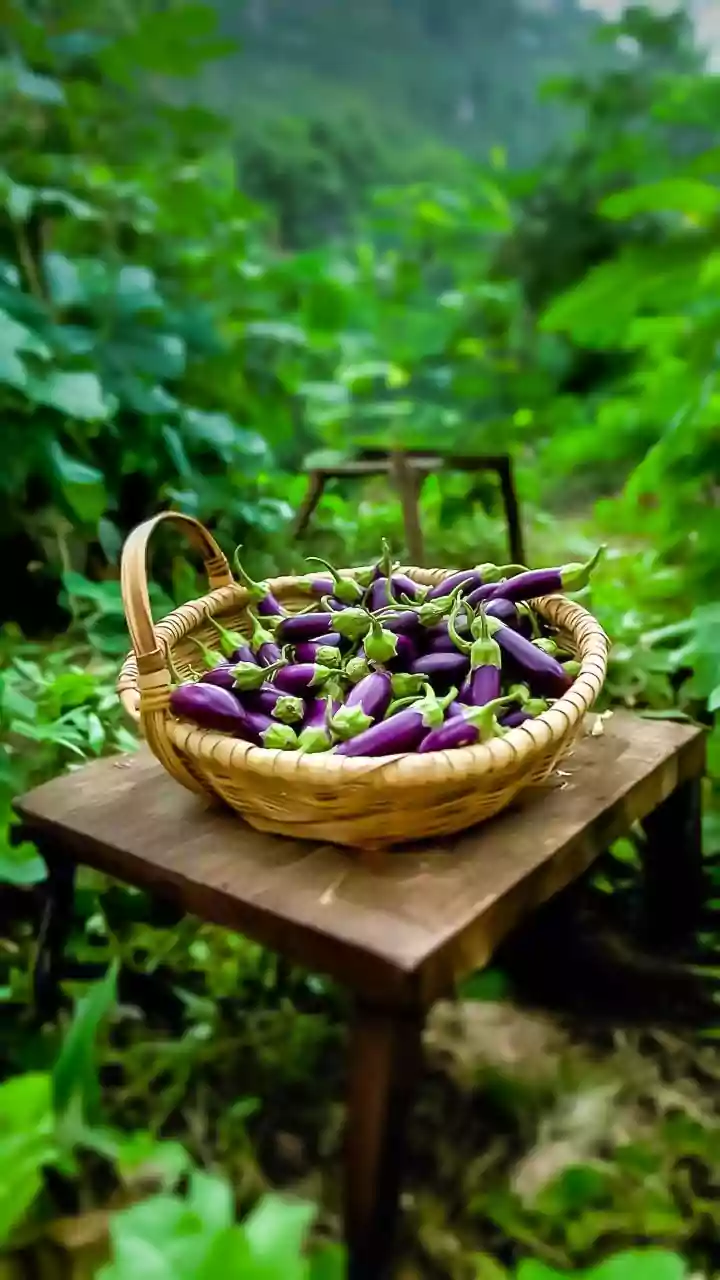
For centuries, the indigenous communities of states like Chhattisgarh, Madhya Pradesh, and Jharkhand have relied on the forest as their pantry. Their traditional food systems are intrinsically linked to the biodiversity of their surroundings, incorporating a vast array of wild edible plants that grow without human cultivation. These are not weeds, but resilient plants that have been a source of sustenance and medicine for generations. Greens like 'bathua' (Chenopodium album), 'chaulai' (Amaranthus viridis), and the leaves of the moringa tree are staples, forming an integral part of the local diet and culture. This age-old practice of foraging is more than just gathering food; it is a system of knowledge passed down through generations, understanding which plants are safe, when they are in season, and how to prepare them.
A Nutritional Powerhouse Unearthed
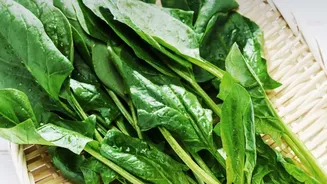
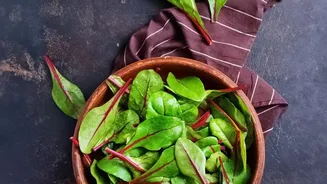
The term 'superfood' is often met with scepticism, but in the case of these foraged greens, the title is earned through dense nutritional profiles. Modern science is now validating what tribal wisdom has known all along. A study on wild edible plants in the Bilaspur district of Chhattisgarh found that many local greens are excellent sources of protein, iron, and other micronutrients. For instance, Bathua, often considered a humble winter green, is packed with iron, calcium, potassium, and vitamins A and C. It's a natural detoxifier, aids digestion with its high fibre content, and has more protein than spinach. Similarly, Amaranthus species and moringa leaves are celebrated for their high protein and mineral content. These plants often have higher concentrations of antioxidants compared to cultivated varieties, as they develop robust defence mechanisms to survive in the wild.
Why The Sudden Recognition?
Several factors are driving these ancient ingredients into the modern culinary conversation. Firstly, there is a growing movement among chefs and food enthusiasts in India to champion local and hyper-local ingredients. Tired of imported produce, chefs are turning to the country's rich biodiversity to create unique, authentic dining experiences. Foraging trips and collaborations with tribal communities are helping bring these forgotten flavours to urban plates. Secondly, the global wellness trend has spurred a search for natural, nutrient-dense foods. As consumers become more health-conscious, the demand for organic, chemical-free produce has skyrocketed, and foraged greens fit this description perfectly. Finally, there's a renewed appreciation for traditional knowledge systems. Researchers and organisations are documenting the nutritional and medicinal properties of these plants, helping to preserve this wisdom and promote its benefits to a wider audience.
From Forest to Fine Dining
The journey of these greens from remote forests to highnd restaurant menus is a testament to their growing appeal. Chefs are incorporating them into everything from traditional 'saags' and 'raitas' to innovative tasting menus. This isn't just a fleeting trend but a movement that supports biodiversity and provides economic opportunities for the indigenous communities who are the custodians of this knowledge. By creating a market for these wild edibles, the movement encourages their conservation and ensures that the foraging traditions continue. It's a culinary shift that honours the source, celebrating the unique flavours and stories behind the food.