


A Culinary Revolution, Delivered
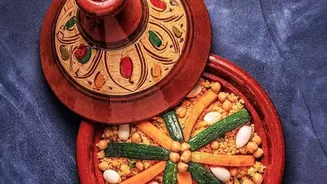
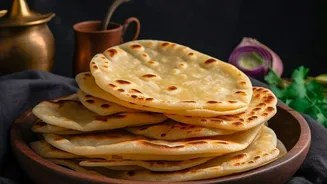
In the bustling food delivery landscape of metropolitan India, a significant trend is taking root. Urban diners, increasingly adventurous in their tastes, are discovering and celebrating the arrival of hyper-regional and tribal cuisines, once confined
to their native regions. This isn't just about another new dish to try; it's about accessing a rich tapestry of India's culinary heritage that was previously out of reach for most city dwellers. Small, delivery-only kitchens are now championing these unique flavours, from the smoky pork dishes of Nagaland to the rustic grains and greens of Jharkhand. This shift is powered by what can be called 'micro-cloud outlets'—small-scale operations, often run by home cooks or passionate entrepreneurs, leveraging the power of food aggregator platforms to share their ancestral food stories.
The Rise of the Micro-Cloud Kitchen
The term 'cloud kitchen' often brings to mind large, industrial spaces housing multiple big-name brands. The micro-cloud outlet, however, is a different beast. It’s smaller, more agile, and deeply personal. Often operating from a home kitchen or a small, dedicated commercial space, these ventures have low overheads, allowing them to focus purely on the quality and authenticity of the food. This model empowers individuals and families to turn their culinary traditions into a viable business without the significant investment required for a full-fledged restaurant. For entrepreneurs from tribal communities, this can be a powerful tool for economic self-sufficiency, bypassing many of the infrastructural and financial challenges they have historically faced. They can now connect directly with a curious urban market eager for new and genuine food experiences.
A Taste of Ancestral Heritage
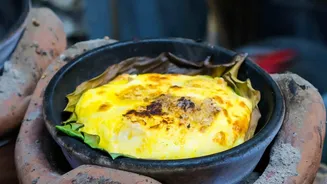
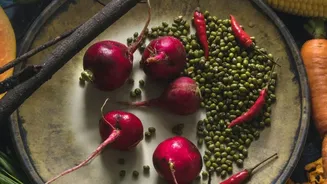
The real magic of this trend lies in the food itself. These kitchens are reintroducing dishes that tell a story of a place, its climate, and its people. In cities like Delhi, diners can now order Naga specialties like smoked pork with fermented soybeans (Akhuni) or dishes cooked with fiery Raja Mircha chillies, all from delivery-only outfits run by Naga entrepreneurs. Similarly, the subtle and earthy flavours of Jharkhand's cuisine, like Dhuska (a fried snack of rice and lentils), are finding a new audience in places like Mumbai. These recipes rely on unique, locally sourced ingredients—from specific types of bamboo shoots to foraged greens—and traditional cooking methods like smoking and fermenting that are difficult to replicate in a conventional restaurant setting. Each order becomes a journey into the heart of India’s diverse indigenous cultures.
More Than a Meal: Cultural Preservation
This movement is about more than just satisfying cravings; it's a vital act of cultural preservation. Many tribal recipes are passed down orally through generations and are at risk of being forgotten as lifestyles change. By creating a commercial platform for these dishes, entrepreneurs are not only keeping their heritage alive but also documenting and standardising recipes for a new generation. It fosters a renewed sense of pride and identity. Initiatives by organisations like the Tata Steel Foundation have also worked to bring home cooks, many of them women from tribal communities, to larger audiences, turning their traditions into sustainable livelihoods. These micro-outlets create a direct bridge between the keeper of a recipe and the curious consumer, ensuring that the cultural context behind the food is not lost.