

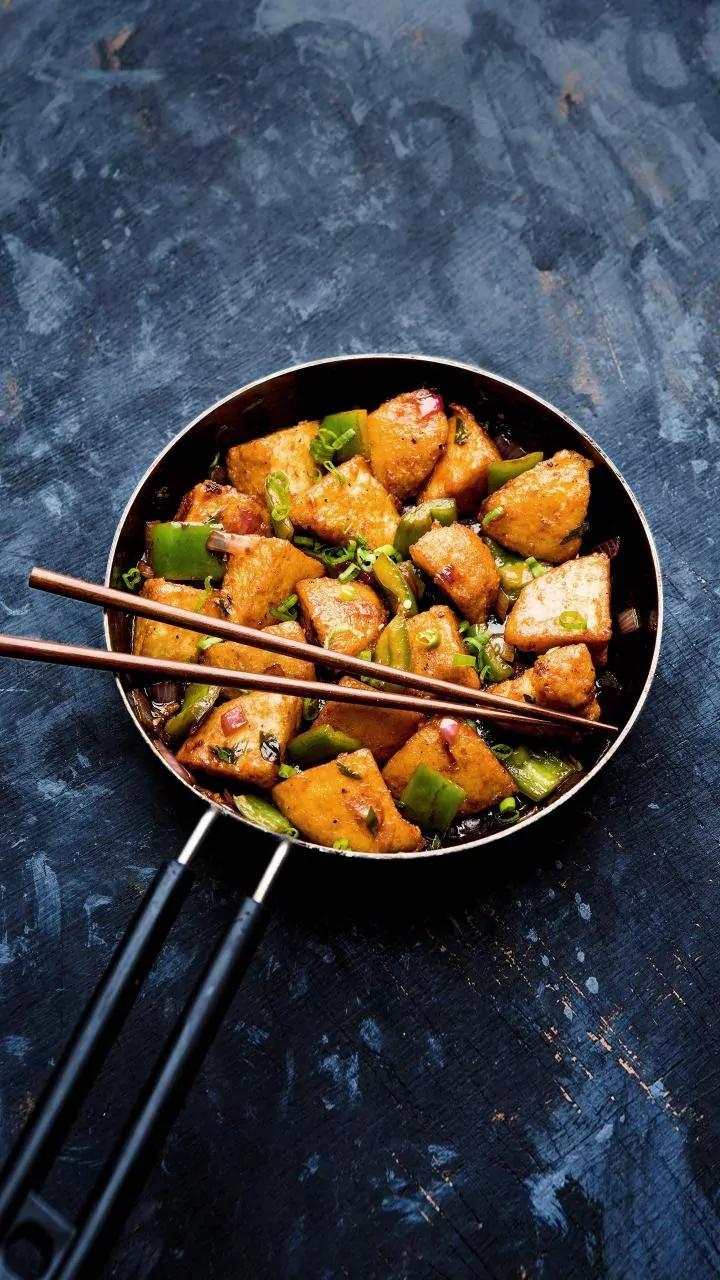


Move over, traditional dosas. There's a new player in town that's crispy, savoury, and packed with nutrition. This Rajgira Paneer Dosa uses amaranth flour for a gluten-free twist that's perfect for health-conscious foodies and those observing fasts.
The Power of Rajgira (Amaranth)
Rajgira,
or amaranth, is an ancient pseudo-cereal that has been a staple in Indian kitchens for centuries, especially during religious fasting periods like Navratri. But its benefits go far beyond tradition. Naturally gluten-free, rajgira is a nutritional powerhouse. It is considered a complete protein because it contains all nine essential amino acids, including lysine, which is often lacking in other grains. This makes it an excellent choice for muscle repair and sustained energy. Furthermore, it is rich in essential minerals like calcium, iron, and magnesium, which support bone health and metabolic function. Its high fibre content aids digestion and can help in weight management by keeping you feeling full for longer. The flour has a distinct nutty and earthy flavour that adds a delicious complexity to the dosa.
Ingredients You Will Need
This recipe is broken down into two main components: the dosa batter and the paneer filling. For the dosa batter, you will need 1.5 cups of rajgira (amaranth) flour, 1 tablespoon of cumin powder, 1 tablespoon of chopped green chillies, 2 tablespoons of chopped coriander, rock salt (sendha namak) to taste, and approximately 2 cups of water. Some recipes also incorporate a bit of sour curd or buttermilk to achieve a smoother batter. For the flavourful paneer filling, gather 200 grams of crumbled or grated paneer, 1 finely chopped medium onion, 1 slit green chilli, 1 teaspoon of ginger-garlic paste, 1 finely chopped medium tomato, and a mix of spices including red chilli powder, garam masala, and turmeric powder. A little ghee for cooking will elevate the taste of both the dosa and the filling.
Preparing the Batter and Filling
To make the dosa batter, combine the rajgira flour, cumin powder, rock salt, chopped green chillies, and coriander in a large bowl. Gradually add water while whisking continuously to create a smooth, lump-free batter with a pouring consistency, similar to a traditional chilla or dosa batter. Let the batter rest for at least 20-30 minutes; this helps the flour to hydrate properly. For the paneer filling, heat a tablespoon of ghee or oil in a pan. Add cumin seeds and let them splutter. Next, add the onions and sauté until they turn translucent. Stir in the ginger-garlic paste and green chilli, followed by the chopped tomatoes. Cook until the tomatoes soften and the mixture becomes thick. Add the powdered spices—turmeric, red chilli, and garam masala—and cook for another minute. Finally, add the crumbled paneer and salt, mixing well. Cook for just 2-3 minutes, as overcooking can make the paneer rubbery. Garnish with fresh coriander leaves and set aside.
Cooking the Perfect Crispy Dosa
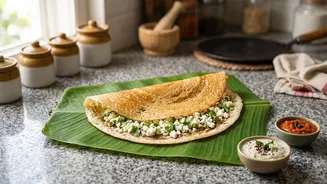
The secret to a crispy dosa lies in the pan and the technique. A well-seasoned cast iron tawa is highly recommended for the best results. Heat the tawa over a medium high flame until it is very hot. You can test the temperature by sprinkling a few drops of water; they should sizzle and evaporate immediately. Lightly grease the pan with oil or ghee. Before pouring the batter, you can optionally lower the heat slightly. Pour a ladleful of the rajgira batter onto the centre of the tawa and quickly spread it outwards in a thin circular motion. Drizzle a little ghee or oil around the edges and on top. Cook for a few minutes until the edges start to brown and lift from the pan. The surface will also appear cooked. Once it is golden and crisp, spoon a generous amount of the paneer filling onto one half of the dosa and fold the other half over. Press down gently and serve immediately.
Serving and Variations
This Rajgira Paneer Dosa is best served hot, straight off the tawa, to enjoy its maximum crispiness. It pairs beautifully with traditional accompaniments. For a complete meal, serve it alongside a simple coconut chutney, a tangy tomato chutney, or a vrat friendly green chutney made with coriander and peanuts. If you are not making this for a fast, it also goes well with sambar. For variations, you can add finely chopped vegetables like carrots or capsicum to the paneer filling for extra crunch and nutrition. Some recipes also suggest combining rajgira flour with other fasting flours like sama (little millet) flour or adding a little rice flour (if not for fasting) to enhance the crispiness.