






Decoding the August Numbers
The latest data from Maharashtra's Inspector General of Registration (IGR) reveals a dynamic but healthy real estate market in Mumbai. In August 2026, the city recorded 12,503 property registrations. This figure marks an impressive 11% increase compared
to August 2025, which saw 11,230 registrations. In fact, it's the highest number of registrations for the month of August in over 14 years. This year-on-year growth translated into robust stamp duty collections for the state government, which rose 12% to ₹1,123 crore. However, the picture isn't one of unchecked expansion. On a month-on-month basis, registrations dipped by 10% from July 2026's total of 13,824. This slight moderation suggests a market that is active but not overheated, presenting a complex scenario for potential buyers.
What’s Driving the Market?
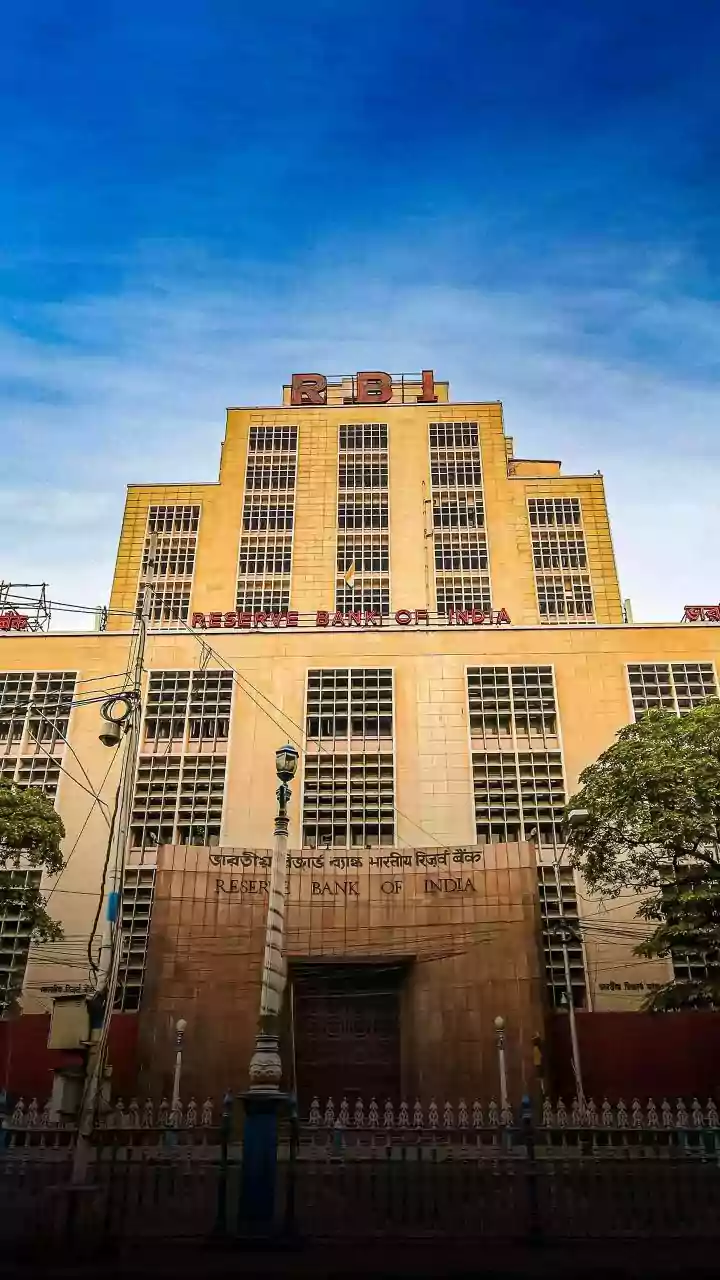
Several factors are contributing to this sustained buyer interest. While home loan affordability remains a challenge in a high-priced market like Mumbai, rate cuts by the Reserve Bank of India in the first half of 2026 have provided some relief to borrowers. This has kept buyer sentiment positive. Analysts note that despite rising property prices, end-users continue to show strong confidence in Mumbai's residential assets, driven by stable economic momentum and significant infrastructure upgrades across the city. Furthermore, there is a clear trend towards practicality; buyers in 2026 are prioritising well-designed homes with functional layouts over flashy but unnecessary amenities. The rise of redevelopment projects, which now account for a significant share of sales, also indicates a preference for properties in established locations with modern facilities.
Impact on the Mid-Range Budget (₹1 Cr – ₹3 Cr)
This segment remains the most competitive battlefield in Mumbai's real estate market. The steady demand indicated by the registration numbers means that well-priced, well-located properties continue to attract multiple buyers. Average residential prices saw a modest 4% year-on-year increase in the first half of 2026, suggesting that while the market is appreciating, it's not running away. For buyers in this bracket, the key is preparation. With stable but not drastically falling interest rates, securing pre-approved loans is crucial to making a decisive offer. The slight month-on-month cooldown could provide a brief window for negotiation, but don't expect deep discounts on desirable properties. Focus on emerging locations along new metro lines or established suburbs like Andheri and Malad, where a mix of connectivity and lifestyle amenities offers long-term value.
Opportunities in the Affordable Bracket (Below ₹1 Cr)
Finding a property under ₹1 crore in Mumbai city limits is challenging, but not impossible. The latest trends show that overall housing sales are steady, which keeps prices firm across the board. Buyers in this segment should look towards the extended suburbs and the peripheral Mumbai Metropolitan Region (MMR), where improved connectivity has opened up new, more affordable housing corridors. The current market's stability is an advantage here. Unlike in a rapidly escalating market, buyers have more time to conduct thorough due diligence. The emphasis on functional homes also benefits this segment, as developers are more likely to focus on efficient space planning rather than costly frills. For these buyers, the strategy should be to balance commute times against property size and cost, leveraging the new infrastructure projects that are making peripheral areas more livable.
Strategy for High-End Buyers (Above ₹3 Cr)
The luxury segment operates on slightly different dynamics. The high stamp duty collection figures suggest that big-ticket transactions continue unabated. This segment is less sensitive to minor interest rate fluctuations and more driven by wealth creation and the availability of premium, unique properties. Redevelopment is a major source of new luxury supply, offering modern homes in prime localities like South Mumbai. For buyers in this category, the current market offers a sense of stability. Price growth in prime areas is moderate, and the focus is on quality and long-term value. The key is selectivity. Buyers are becoming more discerning, closely examining developer track records, construction quality, and the potential for future appreciation. It is a market for informed purchasers rather than speculative investors.