





Visions of a Broken Tomorrow
Dystopian sci-fi offers a glimpse into futures where humanity’s worst decisions have come home to roost. These are not happy stories, but they are powerful ones, using unsettling visions of tomorrow to comment on the anxieties of today. A modern masterpiece
in this subgenre is Denis Villeneuve's 'Blade Runner 2049'. The film is a visual marvel, expanding on the rain-soaked, neon-drenched Los Angeles of the original with new, desolate landscapes like a radiation-choked Las Vegas. It’s a slow-burn detective story that explores what it means to be human in a world where life, both biological and artificial, is treated as a disposable commodity. The film's moody, atmospheric pace and complex philosophical questions about memory and identity make it a haunting and unforgettable experience. It doesn't just build a world; it immerses you in its melancholy, making you feel the weight of its broken future.
When Reality Unravels
Some of the most memorable sci-fi thrillers are the ones that play games with your mind, twisting the very fabric of reality until you don't know what to believe. These films challenge viewers to pay close attention, rewarding them with intricate plots that are as intellectually stimulating as they are exciting. The prime example is Christopher Nolan’s 'Inception'. Starring Leonardo DiCaprio as a thief who steals secrets by entering people's dreams, the film is a high-concept heist movie with a profound twist. The mission is not to steal an idea, but to plant one—a task that requires building dreams within dreams. This layered reality creates a narrative puzzle box where the rules are constantly shifting and the stakes are intensely personal. The film is celebrated for its intricate storytelling, jaw-dropping visual effects, and an emotional core centered on themes of guilt and redemption. Its famous, ambiguous ending has sparked debates for years, cementing its status as a film that doesn't just entertain but lingers long after the credits roll.
Journeys Beyond Our World
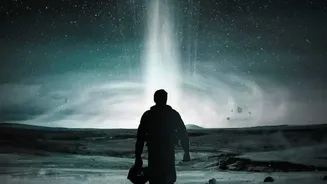
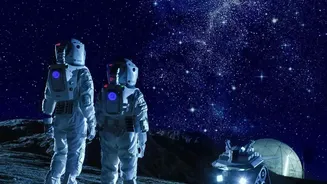
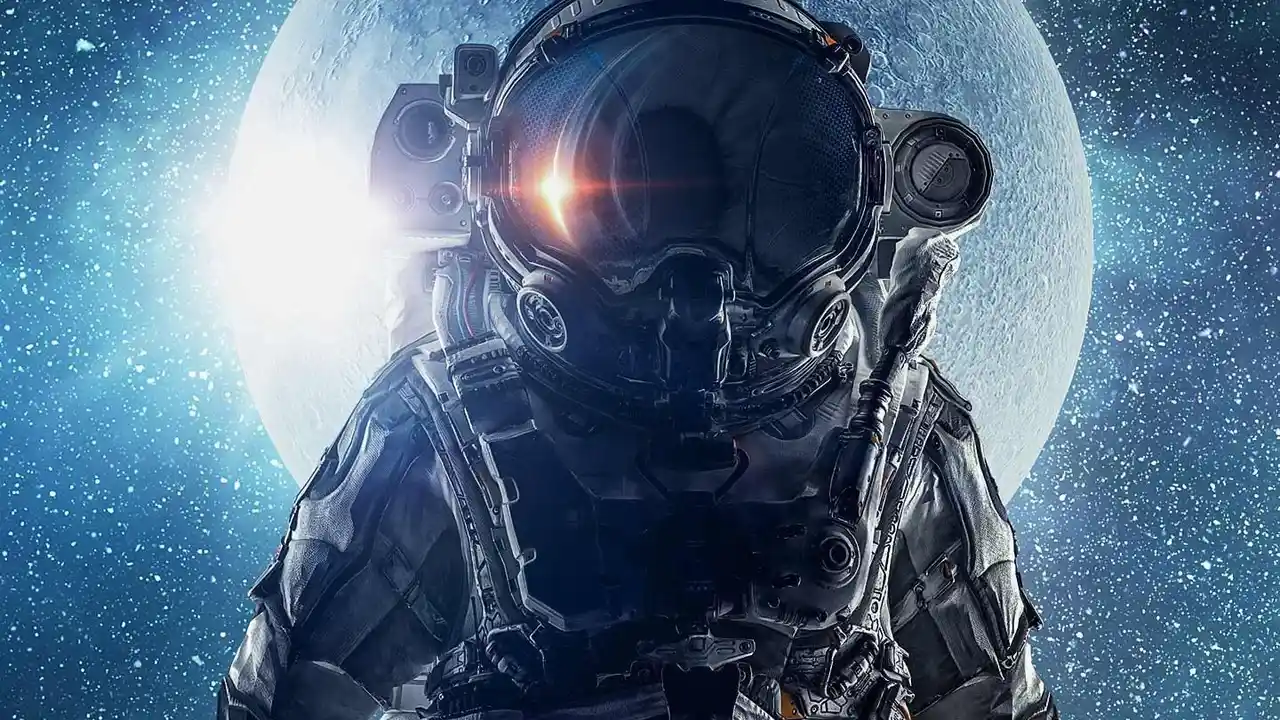
The allure of the final frontier is a cornerstone of science fiction. Space mission films tap into our innate curiosity about what lies beyond our planet, blending the wonder of discovery with the terror of the unknown. These movies often pit human ingenuity and resilience against the vast, unforgiving vacuum of space. Alfonso Cuarón's 'Gravity' is a visceral and heart-pounding example of this. The film is a masterclass in tension, stranding its protagonist in orbit after a catastrophic accident. Its groundbreaking visuals create a terrifyingly realistic depiction of the perils of space, making the audience feel every breathless moment. Another powerful entry is Christopher Nolan’s 'Interstellar'. While also a stunning visual spectacle, this film is driven by a deeply emotional and philosophical story. It follows a desperate mission to find a new habitable planet for humanity. It's a grand, ambitious film that explores themes of love, loss, and sacrifice against a backdrop of mind-bending physics and cosmic exploration, reminding us that sometimes the most human stories are found in the most inhuman of places.